Fluorspar, a mineral rich in fluorine, is widely used in various industrial applications such as steelmaking, aluminum production, and chemical manufacturing. The efficient and safe handling of fluorspar powder, especially in its granular form, is crucial for maintaining production efficiency and ensuring workplace safety. Pneumatic conveying systems have emerged as a preferred method for transporting fluorspar powder particles due to their ability to handle fine powders without the need for mechanical components that could cause contamination or wear. This article explores the concept of a fluorspar powder particle pneumatic conveying system and delves into its fundamental design principles.
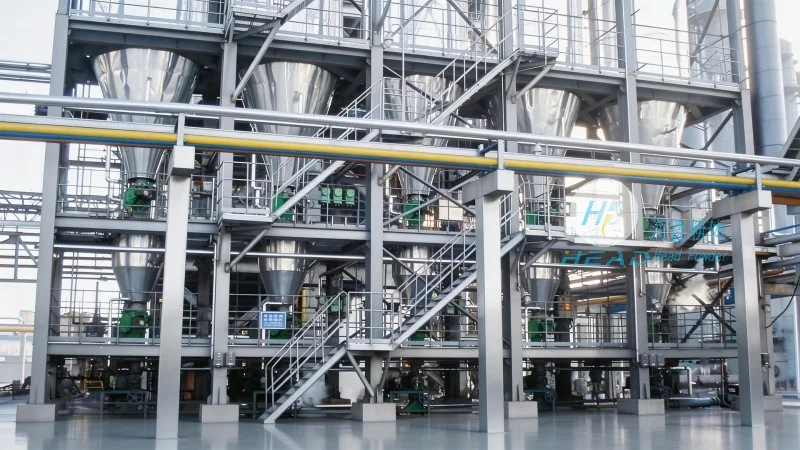
Understanding Pneumatic Conveying Systems for Fluorspar Powder
Pneumatic conveying systems utilize compressed air or gas to transport solid particles through a pipeline. In the context of fluorspar powder, these systems are specifically designed to handle the unique characteristics of the material, including its fine particle size, low bulk density, and potential for dust generation. The primary goal is to move the powder from a source, such as a storage silo or a processing unit, to a destination, like a reactor or a packaging area, with minimal loss and maximum control. The system's effectiveness depends on several factors, including the type of conveying (positive pressure, negative pressure, or a combination), the particle size distribution, and the required flow rate.
The Role of Pneumatic Conveying in Fluorspar Processing
Fluorspar processing often involves multiple stages, from crushing and grinding to classification and packaging. Pneumatic conveying plays a critical role in integrating these stages by providing a seamless and continuous material flow. Unlike traditional methods like bucket elevators or belt conveyors, pneumatic systems can handle highly abrasive or corrosive materials without the risk of mechanical failure. This makes them ideal for fluorspar, which can be both abrasive and potentially reactive under certain conditions. Additionally, pneumatic conveying can be integrated with dust collection systems, enhancing overall safety and compliance with environmental regulations.
Key Design Principles for Fluorspar Powder Pneumatic Conveying
The design of a fluorspar powder particle pneumatic conveying system involves several key principles aimed at optimizing performance, reliability, and efficiency. First, the system must be tailored to the specific properties of fluorspar powder, including its particle size, moisture content, and flowability. For example, systems handling very fine particles may require higher air velocities to prevent clogging, while larger particles might benefit from lower velocities to reduce energy consumption. Second, the selection of the conveying type—positive pressure, where air is blown into the system, or negative pressure, where air is drawn out—depends on the application and the need to control dust emissions. Positive pressure systems are often preferred for long-distance or high-volume transport as they can maintain consistent pressure and prevent backflow.
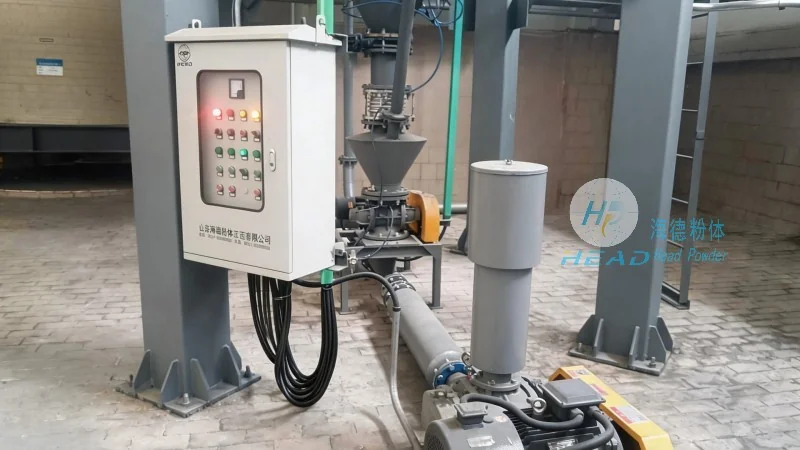
Third, the system's components, such as the air compressor, pipeline, and control valves, must be selected to withstand the abrasive nature of fluorspar powder. Materials like stainless steel or special alloys are commonly used for the pipeline and fittings to prevent corrosion and wear. The air compressor must be capable of delivering the required pressure and flow rate, often with variable speed control to adjust to changing demand. Fourth, the design must incorporate effective dust control measures. This includes using cyclone separators, filters, and possibly a baghouse to capture and recycle the powder, ensuring that the system operates within regulatory limits and maintains a clean working environment.
Advantages of the System
The adoption of a fluorspar powder particle pneumatic conveying system offers numerous advantages over traditional material handling methods. One of the most significant benefits is the reduction in labor costs and operational time. By automating the transport process, the system minimizes the need for manual handling, which can be hazardous when dealing with fine powders. This also reduces the risk of product contamination, as the material remains enclosed within the system until it reaches its destination. Additionally, pneumatic conveying systems are highly flexible, allowing for changes in the layout or flow direction without major modifications to the infrastructure. This adaptability is particularly valuable in industrial settings where processes may evolve over time.
Another key advantage is the improved safety and environmental performance. By containing the powder in a closed system, the system significantly reduces dust emissions, which can be harmful to both workers and the environment. This compliance with environmental regulations not only avoids penalties but also enhances the company's reputation as a responsible operator. Furthermore, the system's ability to handle abrasive materials without wear and tear extends the lifespan of components, reducing maintenance costs and downtime.
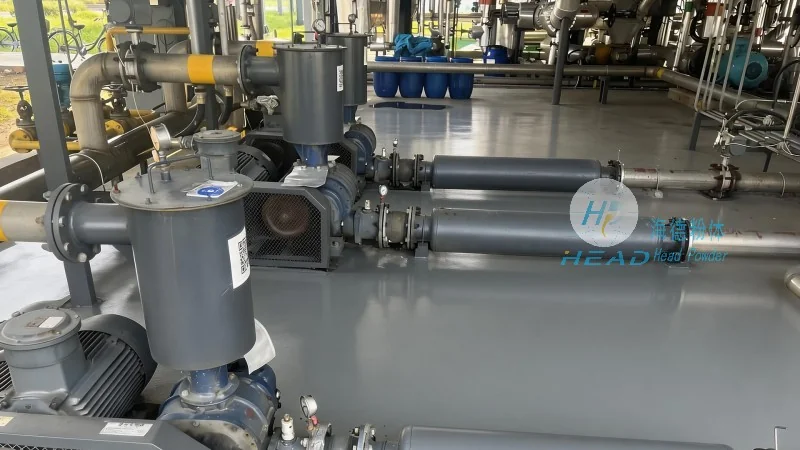
HeadPowder Engineering: Expertise in Fluorspar Powder Conveying Solutions
Shandong HeadPowder Engineering Co., Ltd., based in China, specializes in the design, manufacturing, and installation of advanced pneumatic conveying systems tailored to the unique needs of fluorspar powder processing. With years of experience in the industry, HeadPowder Engineering has developed a deep understanding of the challenges associated with handling fine, abrasive minerals. The company's team of engineers and technicians works closely with clients to assess their specific requirements, from material properties to production capacity, and designs a customized system that meets both operational and safety standards.
HeadPowder Engineering's approach to system design emphasizes reliability and efficiency. By using high-quality components and employing advanced control technologies, the company ensures that its systems operate with minimal downtime and maximum productivity. The company also provides comprehensive after-sales support, including maintenance services and technical assistance, to help clients maintain optimal performance over the long term. With a focus on customer satisfaction and sustainable solutions, HeadPowder Engineering has become a trusted partner for businesses seeking to improve their fluorspar powder handling processes.
In conclusion, a fluorspar powder particle pneumatic conveying system is a sophisticated and effective solution for the transportation of fine mineral powders. Its design principles, centered on material compatibility, system flexibility, and safety, make it an ideal choice for modern industrial applications. By leveraging the expertise of companies like Shandong HeadPowder Engineering Co., Ltd., industries can achieve efficient, safe, and environmentally responsible handling of fluorspar powder, ultimately enhancing their overall operational performance.




