HeadPowder, a leading engineering company based in Shandong, China, specializes in advanced pneumatic conveying solutions for handling sulfur powder. This article provides a comprehensive exploration of negative pressure and positive pressure pneumatic conveying systems, detailing their operational principles, advantages, and practical applications in industrial settings.
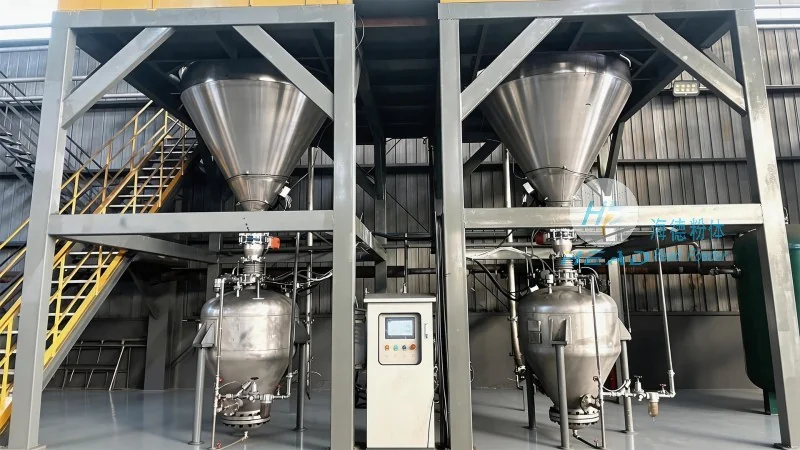
Introduction to Pneumatic Conveying Systems for Sulfur Powder
Pneumatic conveying is a critical method for transporting bulk materials like sulfur powder, offering advantages such as dust control, flexibility in layout, and the ability to handle materials in a closed system. The choice between negative pressure (suction) and positive pressure (blowing) systems depends on factors like material properties, distance, and environmental considerations. Understanding the nuances of each system is essential for optimizing material handling efficiency and safety.
Negative Pressure (Suction) Pneumatic Conveying Systems
Negative pressure systems operate by creating a vacuum at the material inlet, drawing the sulfur powder into the conveying line using a suction fan or blower. This method is particularly effective for applications where the material needs to be collected from multiple points or when the conveying distance is relatively short. The primary advantage of negative pressure systems is their ability to handle fine powders without generating excessive dust, as the material is drawn into the system rather than being forced out. However, they may require more robust filtration systems to prevent air leakage and maintain material purity. The system typically includes a hopper, a rotary valve, a suction fan, and a filter unit, ensuring a clean and efficient material transfer process.
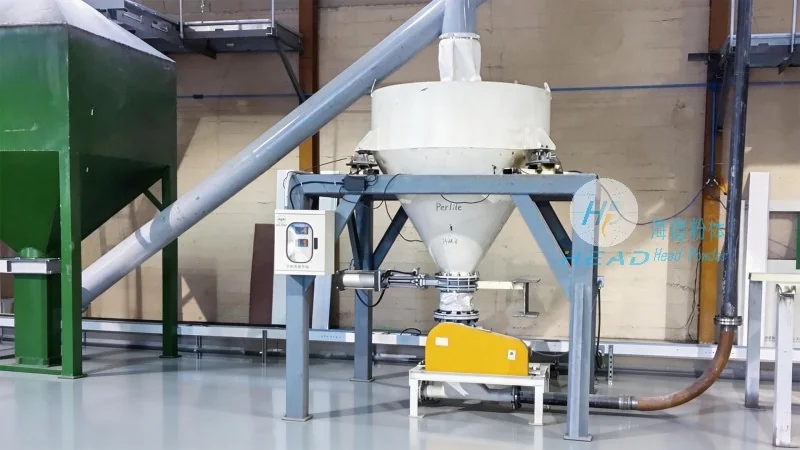
Positive Pressure (Blowing) Pneumatic Conveying Systems
Positive pressure systems, on the other hand, use a blower to force air and sulfur powder through the conveying line. This approach is ideal for longer distances and when the material needs to be transported from a central point to multiple destinations. The main benefit of positive pressure systems is their higher conveying capacity and ability to handle larger particles, as the force of the air propels the material through the system. However, they may generate more dust and require more powerful filtration to maintain air quality. The system components include a hopper, a rotary valve, a blower, and a discharge unit, ensuring consistent material flow and minimal material degradation.
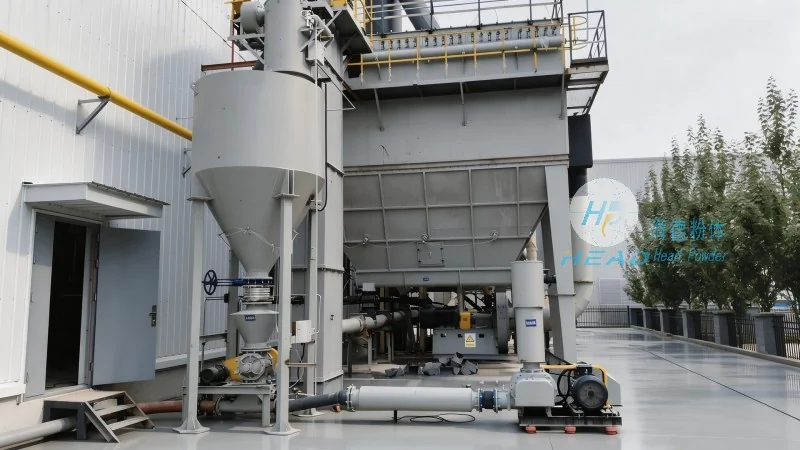
Key Considerations for Choosing Between Systems
The selection between negative and positive pressure systems for sulfur powder handling depends on several critical factors. For instance, negative pressure systems are often preferred in environments where dust control is paramount, such as in food or pharmaceutical industries, while positive pressure systems are more suitable for industrial applications requiring high throughput and long-distance transport. Material properties, such as particle size, moisture content, and abrasiveness, also influence the choice, as these factors affect the system's efficiency and maintenance requirements. Additionally, the layout of the facility and the number of collection points or discharge points play a significant role in determining the most effective system configuration.
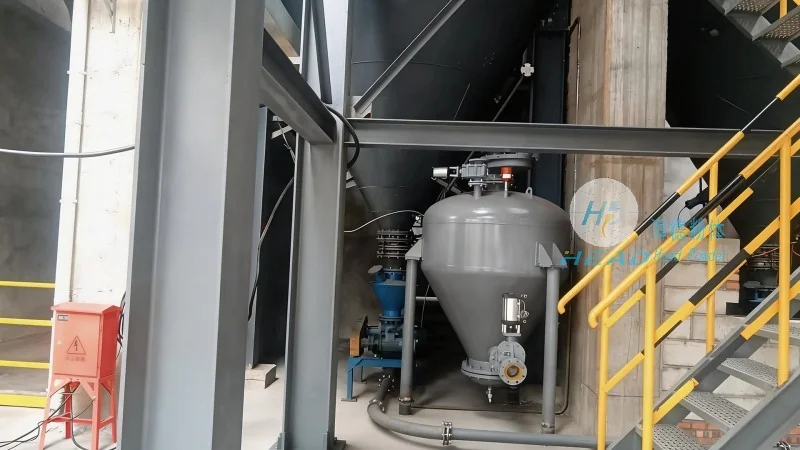
Applications and Case Studies
HeadPowder's expertise in pneumatic conveying technology has enabled successful implementations in various industrial sectors. For example, in a sulfur production facility, a negative pressure system was installed to transport fine sulfur powder from storage silos to processing units, ensuring minimal dust exposure and efficient material transfer. In another application, a positive pressure system was used to convey bulk sulfur from a central storage area to multiple processing plants over a distance of several kilometers, demonstrating the system's ability to handle high volumes and long distances. These case studies highlight the versatility and effectiveness of both negative and positive pressure systems in real-world industrial applications.
Conclusion and Future Trends
Both negative and positive pressure pneumatic conveying systems offer viable solutions for handling sulfur powder, with each system tailored to specific operational needs. HeadPowder continues to innovate in this field, developing advanced systems that enhance efficiency, reduce operational costs, and improve safety. As industrial demands evolve, the integration of automation and smart monitoring technologies will further optimize pneumatic conveying processes, ensuring sustainable and reliable material handling for sulfur powder applications.




