When designing a pneumatic conveying system for lithium-ion battery powder, several critical factors must be considered to ensure efficiency, safety, and long-term operational reliability. The process involves transporting fine powders like lithium carbonate, lithium hydroxide, or other battery active materials, which require specialized equipment to handle the unique properties of these materials. This article outlines key design considerations that Shandong HeadPowder Engineering Co., Ltd. emphasizes in their engineering solutions, focusing on the technical and practical aspects of system design.
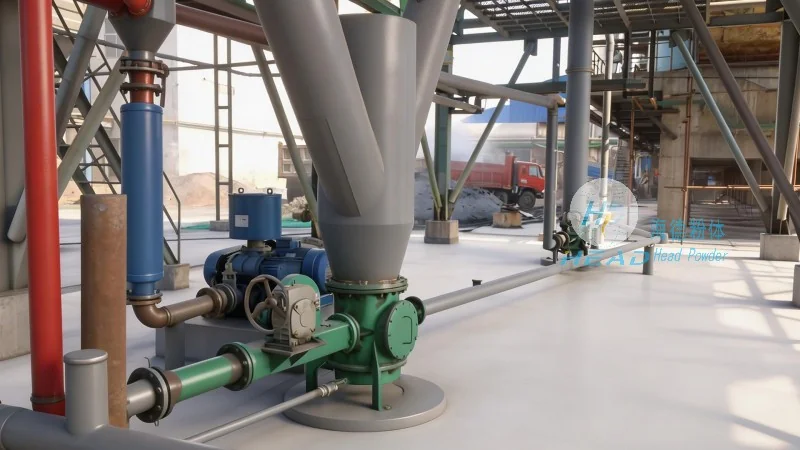
Material Properties and Their Impact on System Design
The physical and chemical properties of lithium-ion battery powders significantly influence the choice of pneumatic conveying system. These materials are often fine, abrasive, and may have hygroscopic or reactive characteristics. For instance, lithium carbonate is a fine white powder with a Mohs hardness of about 2.5, making it prone to abrasion on system components. Similarly, lithium hydroxide can be hygroscopic, absorbing moisture from the air, which affects flow characteristics and system performance. Understanding these properties is crucial for selecting appropriate materials for system components, such as ducts, valves, and pumps, to prevent wear, corrosion, or material degradation over time. Shandong HeadPowder Engineering Co., Ltd. conducts thorough material analysis to tailor system designs that accommodate these specific attributes, ensuring optimal performance and longevity.
System Sizing and Flow Rate Considerations
Accurate sizing of the pneumatic conveying system is essential to match the required material flow rates while maintaining system efficiency. The flow rate is determined by the production capacity of the battery manufacturing process, which can vary from small-scale laboratory testing to large-scale industrial production. Over-sizing the system can lead to unnecessary energy consumption and increased capital costs, while under-sizing may result in system bottlenecks, reduced throughput, or even system failure. Engineers at Shandong HeadPowder Engineering Co., Ltd. use advanced computational fluid dynamics (CFD) and empirical formulas to calculate the optimal duct diameter, air velocity, and pressure drop. This ensures that the system operates within the most efficient operating range, minimizing energy consumption and maximizing material transport efficiency. Proper sizing also considers the density and particle size distribution of the powder, as these factors affect the air-particle interaction and overall system performance.
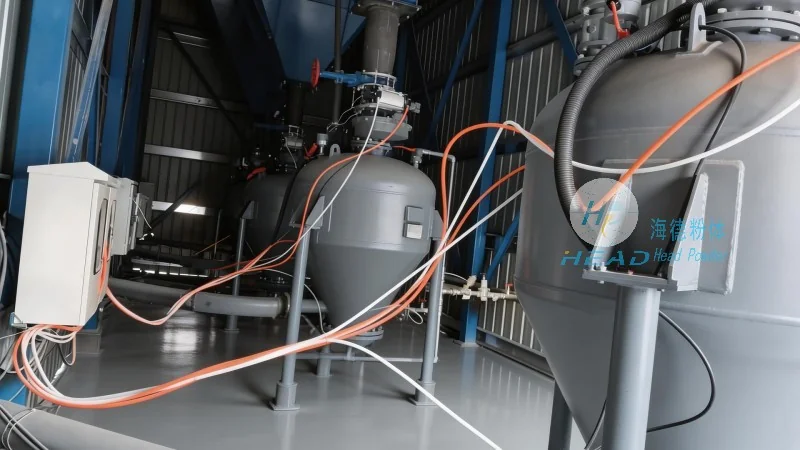
Component Selection and Material Compatibility
The selection of system components, including ducts, fittings, valves, and pumps, is critical for the long-term performance and safety of the pneumatic conveying system. Ducts are typically made from materials like stainless steel, polyethylene, or specialized alloys that can withstand the abrasive nature of lithium-ion battery powders. Stainless steel is preferred for its corrosion resistance and durability, while polyethylene may be used for non-abrasive or low-pressure applications. Fittings and valves must be designed to handle the high velocities and pressures involved in pneumatic conveying, with options like rotary valves, slide gates, or butterfly valves selected based on the specific application requirements. Pumps, such as rotary lobe or centrifugal blowers, are chosen based on the required pressure and flow rate. Shandong HeadPowder Engineering Co., Ltd. ensures that all components are compatible with the material being conveyed, preventing contamination and ensuring the system operates safely and efficiently. Regular maintenance and replacement of worn components are also part of the design considerations to extend system life and maintain performance.
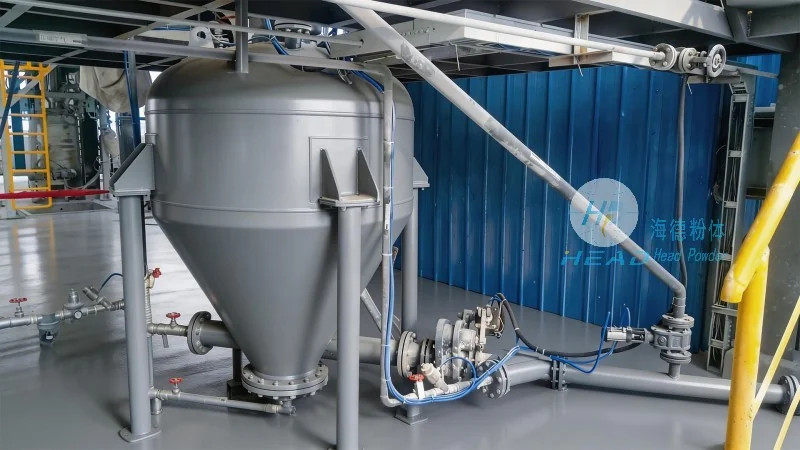
Pressure and Air Velocity Management
Managing pressure and air velocity is a key aspect of pneumatic conveying system design, as it directly impacts material transport efficiency and system wear. The air velocity must be high enough to keep the powder particles suspended in the air stream but not so high that it causes excessive wear on system components or increases energy consumption. The pressure drop across the system is another critical parameter, as it affects the overall energy efficiency and operational costs. Engineers at Shandong HeadPowder Engineering Co., Ltd. use pressure drop calculations to optimize the system layout, ensuring that the pressure required to transport the material is minimized while maintaining sufficient velocity to prevent particle deposition. This involves selecting the appropriate duct diameter, length, and number of bends, as each of these factors contributes to the total pressure drop. Proper management of pressure and air velocity also helps in controlling dust emissions and maintaining a safe working environment, which is essential in battery powder handling applications.
Control Systems and Automation
Modern pneumatic conveying systems for lithium-ion battery powder often incorporate advanced control systems and automation to enhance operational efficiency and safety. These systems may include sensors for monitoring material flow rates, pressure, and air velocity, as well as control valves and actuators to regulate the system's operation. Automation allows for precise control of the conveying process, ensuring that material is transported at the correct rate and pressure, reducing the risk of overloading or underloading the system. Shandong HeadPowder Engineering Co., Ltd. integrates advanced control technologies into their designs, providing users with real-time monitoring and data logging capabilities. This enables operators to optimize system performance, detect potential issues early, and reduce downtime. The control systems are also designed to comply with safety standards, such as explosion-proof requirements, which are critical in battery powder handling environments where combustible dust is present.




