Calcium oxide, commonly known as quicklime, is a vital industrial material utilized across multiple sectors including construction, steel manufacturing, and chemical production. The efficient and safe transportation of calcium oxide from production sites to processing facilities is paramount for sustaining production efficiency and preserving product quality. Pneumatic conveying systems have become a preferred method for handling calcium oxide due to their capacity to transport bulk materials in a dust-free and controlled manner. This article provides a comprehensive explanation of the working principles and key components of a calcium oxide pneumatic conveying system, highlighting the technological advancements and operational benefits that make it an ideal solution for industrial applications.
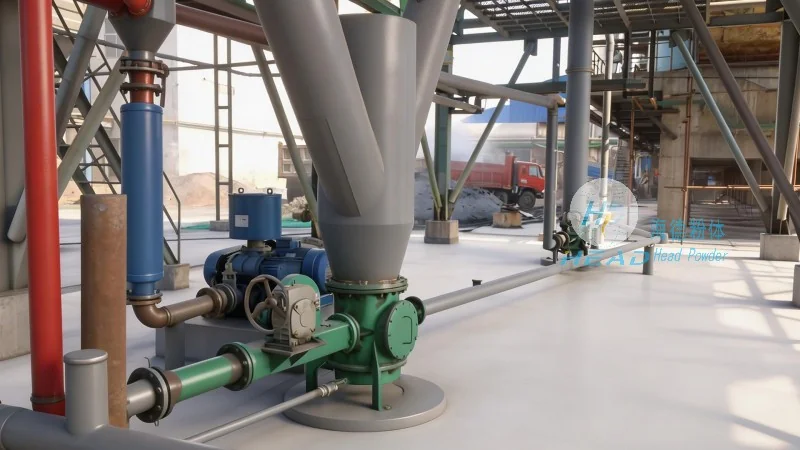
Key Components of a Pneumatic Conveying System for Calcium Oxide
The calcium oxide pneumatic conveying system comprises several critical components that function in unison to ensure smooth material transport. The primary components include the material hopper, feeder, air compressor, conveying pipeline, and receiver. The material hopper is designed to store calcium oxide, providing a stable feed source. The feeder, typically a rotary valve or a screw feeder, regulates the flow of calcium oxide into the conveying line. The air compressor generates the necessary air pressure to create the airflow that propels the material through the pipeline. The conveying pipeline, usually constructed from stainless steel or other corrosion-resistant materials, is engineered to withstand the abrasive nature of calcium oxide and maintain the integrity of the material during transport. The receiver is the final destination where the calcium oxide is deposited, completing the conveying process.
Working Principle of the Pneumatic Conveying Process
The operation of a calcium oxide pneumatic conveying system is based on the principle of air flow and particle suspension. When the air compressor initiates operation, it generates a high-pressure air stream that enters the conveying pipeline. The feeder then introduces calcium oxide particles into the pipeline, where the air flow creates a suspension of the material. The air velocity is maintained at a level sufficient to keep the particles in suspension, preventing them from settling or depositing on the pipeline walls. The material is then transported to the receiver through the pipeline network. The system can operate in either positive pressure or negative pressure modes, depending on the specific requirements of the application. Positive pressure systems utilize compressed air to push the material forward, while negative pressure systems employ suction to draw the material from the source. The choice of system type depends on factors such as the distance of transport, the volume of material to be conveyed, and the need for dust control.
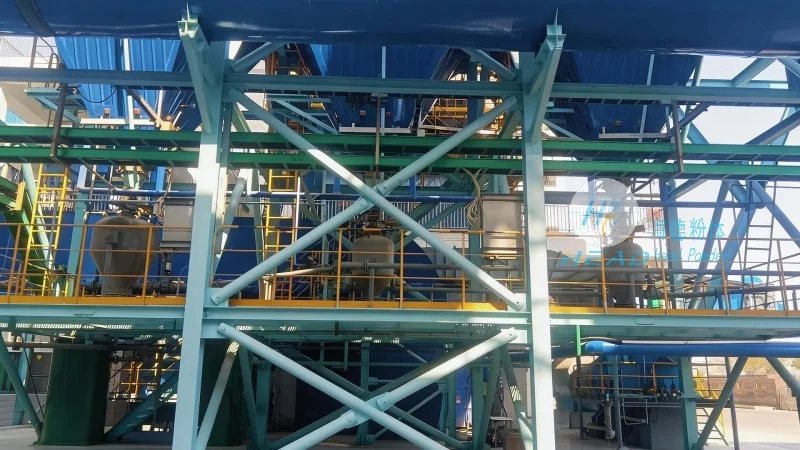
Advantages of Using a Pneumatic Conveying System for Calcium Oxide
Implementing a pneumatic conveying system for calcium oxide offers numerous advantages over traditional methods like belt conveyors or bucket elevators. One of the most significant benefits is the ability to transport the material in a dust-free environment, which enhances workplace safety and reduces the risk of respiratory issues for workers. The system also minimizes material degradation and contamination, ensuring that the calcium oxide reaches its destination with the same quality and purity as when it was produced. Additionally, pneumatic conveying systems are highly flexible and can be easily integrated into existing production lines, allowing for adjustments in the conveying route or capacity as needed. The system's compact design and low maintenance requirements also contribute to cost savings and increased operational efficiency. Furthermore, the ability to control the flow rate and pressure of the air stream provides precise control over the material transport, preventing overloading or underloading of the pipeline.
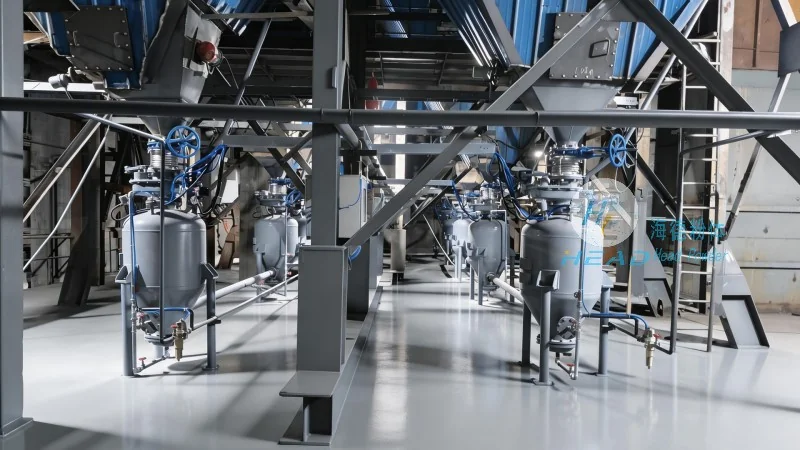
Application Examples and Operational Considerations
Calcium oxide pneumatic conveying systems are widely utilized in various industrial applications. For example, in steel production, quicklime is used as a flux to remove impurities from iron ore. The pneumatic conveying system efficiently transports the quicklime from storage silos to the blast furnace, ensuring a consistent supply of material. In the chemical industry, quicklime is employed in the production of calcium carbide and other chemicals. The system aids in moving the material from the production unit to the packaging or storage area without any loss or contamination. In the construction industry, quicklime is used in the production of cement and mortar. The pneumatic conveying system facilitates the transport of quicklime from the production plant to the construction sites, improving the efficiency of the supply chain. When operating a calcium oxide pneumatic conveying system, several considerations must be taken into account. The system must be designed to handle the abrasive nature of calcium oxide, which can cause wear and tear on the components. Regular maintenance and replacement of parts such as the feeder, pipeline, and air compressor are essential to ensure the longevity of the system. Additionally, the system must be equipped with proper dust collection and filtration systems to comply with environmental regulations and maintain a clean working environment. The selection of the appropriate air compressor and pressure levels is also critical to ensure efficient material transport without causing excessive energy consumption.
Conclusion
In conclusion, the calcium oxide pneumatic conveying system is a highly effective and efficient method for transporting bulk materials in industrial settings. The system's ability to handle calcium oxide in a dust-free and controlled manner makes it an ideal solution for various industries. By understanding the key components and working principles of the system, as well as the operational considerations and advantages, industries can make informed decisions about implementing this technology. The system not only improves operational efficiency and product quality but also enhances workplace safety and environmental compliance. As industrial demands for efficient material handling continue to grow, the calcium oxide pneumatic conveying system remains a reliable and versatile solution for the future of industrial material transport.




