Ammonium nitrate (AN) is a widely used industrial chemical, particularly in the fertilizer and explosives industries. The efficient and safe handling of AN is crucial due to its sensitivity and potential hazards during transport. Pneumatic conveying systems offer a reliable solution for moving AN from storage to processing units, blending facilities, or packaging areas. This article explores the fundamental principles behind the operation of such systems, focusing on the technical aspects and practical applications relevant to industrial operations.
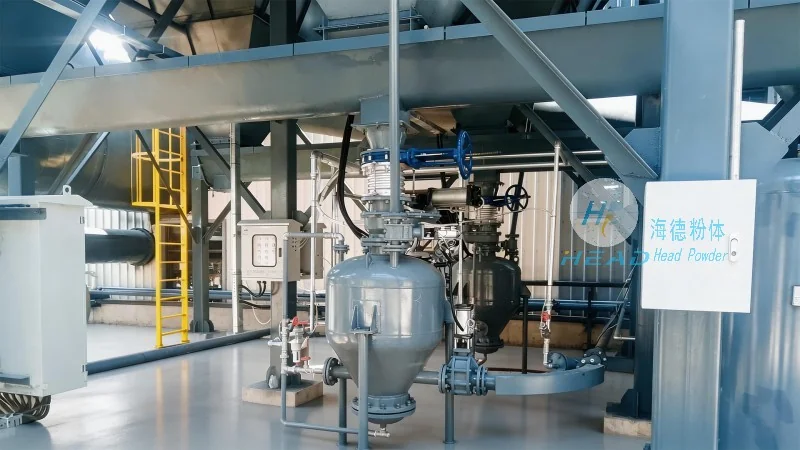
Key Components of a Pneumatic Conveying System
A pneumatic conveying system for ammonium nitrate typically consists of several core components that work in tandem to ensure smooth material transport. The primary elements include a hopper or storage silo for the material, a conveyor line (either positive or negative pressure), a dust collection system, and a discharge mechanism. The hopper is designed to hold the bulk AN, with a discharge valve that controls the flow of material into the conveyor. The conveyor line can be either a positive pressure system, where air is blown through the line to push the material, or a negative pressure system, where air is drawn through the line to pull the material. For ammonium nitrate, which is a fine, free-flowing powder, positive pressure systems are often preferred as they provide better control and reduce the risk of material degradation.
How Pneumatic Conveying Works
The operation of a pneumatic conveying system involves the use of air to transport the ammonium nitrate particles. In a positive pressure system, a blower or compressor generates high-pressure air that is introduced into the conveyor line. The air flows through the line, carrying the AN particles along with it. The velocity of the air must be sufficient to overcome the gravitational force and the friction between the particles and the pipe walls, ensuring that the material moves smoothly without clogging. The system is designed with appropriate pipe diameters and air velocities to maintain a stable flow rate. The discharge point is typically equipped with a cyclone or a filter to separate the AN from the air stream, allowing the material to be collected in a receiving hopper or directly into a processing unit. The air is then filtered and returned to the system or released to the atmosphere, depending on the system design and local regulations.
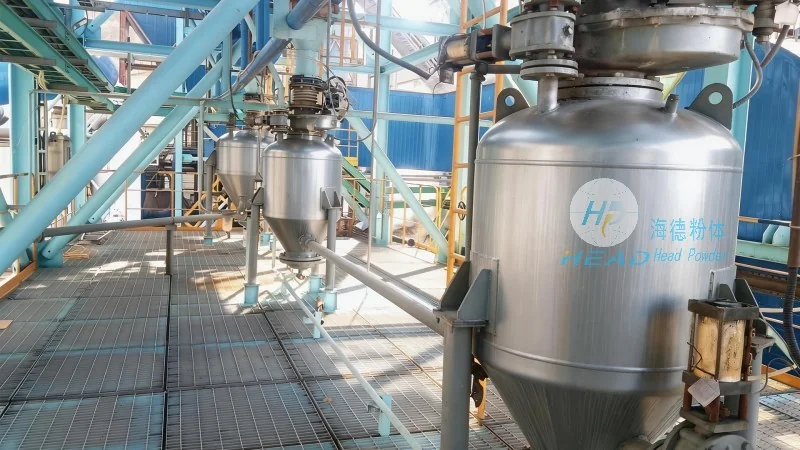
Advantages of Pneumatic Conveying for Ammonium Nitrate
Implementing a pneumatic conveying system for ammonium nitrate offers several advantages over traditional mechanical conveying methods. One of the key benefits is the ability to handle the material in a closed system, which minimizes dust exposure and reduces the risk of contamination. This is particularly important for ammonium nitrate, which can be a respiratory irritant and is subject to strict handling regulations. The closed system also helps maintain the purity of the material, preventing cross-contamination with other substances. Additionally, pneumatic conveying systems can handle varying flow rates and can be easily integrated with other processing equipment, such as mixers or blenders. The flexibility of the system allows for adjustments in the conveyor line length and layout, making it suitable for different plant configurations. Another advantage is the reduced need for maintenance compared to mechanical systems, as there are fewer moving parts involved in the air-driven operation.
Considerations for Design and Installation
When designing and installing a pneumatic conveying system for ammonium nitrate, several factors must be considered to ensure optimal performance and safety. The first consideration is the material's properties, such as its particle size, density, and flowability. These characteristics affect the air velocity required for effective transport and the design of the hopper and discharge equipment. The system must be designed to handle the specific characteristics of ammonium nitrate, which is a fine powder with a relatively low bulk density. The pipe diameter and length are critical parameters that determine the system's capacity and efficiency. Larger diameters and shorter lengths are generally more efficient for transporting fine powders like AN. The system must also be equipped with proper dust collection and filtration to comply with environmental regulations and ensure worker safety. The discharge point should be designed to prevent material buildup and ensure smooth transfer to the next processing step. Additionally, the system should be installed with appropriate safety features, such as pressure relief valves and emergency shutdown mechanisms, to handle any potential issues that may arise during operation.
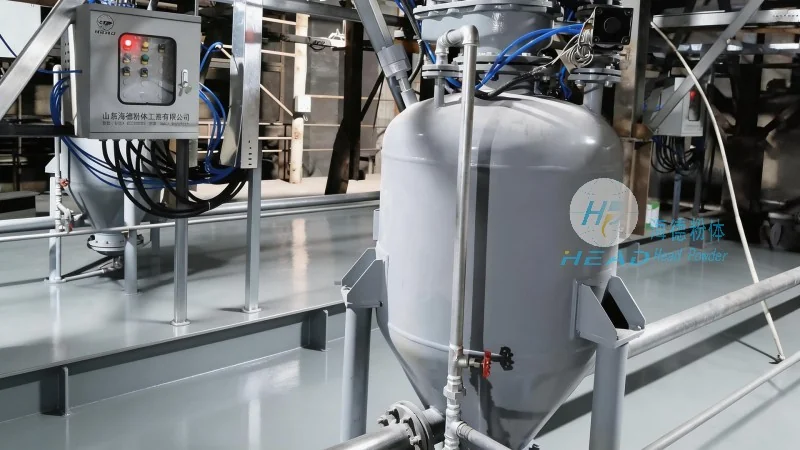
Applications in Industrial Settings
Pneumatic conveying systems for ammonium nitrate are widely used in various industrial applications. In the fertilizer industry, these systems are used to transport AN from storage silos to blending plants, where it is mixed with other nutrients to create composite fertilizers. The systems ensure a consistent and controlled flow of AN, which is essential for maintaining the quality and uniformity of the final product. In the explosives industry, ammonium nitrate is used as an oxidizer in blasting agents. Pneumatic conveying systems are used to transport the AN to mixing facilities, where it is combined with other ingredients to form the final explosive product. The systems must be designed to meet the stringent safety requirements of the explosives industry, including explosion-proof components and strict control of dust levels. In addition to these primary applications, pneumatic conveying systems are also used in other industries that handle fine powders, such as food processing and pharmaceuticals, where the material's purity and safety are paramount.
Conclusion
Pneumatic conveying systems provide an effective and safe method for transporting ammonium nitrate in industrial settings. By understanding the fundamental principles of air-driven transport and carefully designing the system components, manufacturers can ensure efficient and reliable operation. The advantages of closed systems, reduced dust exposure, and flexibility make pneumatic conveying an attractive option for handling ammonium nitrate. As the demand for ammonium nitrate continues to grow, the importance of reliable and safe conveying systems will only increase. Companies like Shandong HeadPowder Engineering Co., Ltd., with their expertise in engineering and manufacturing, play a crucial role in providing solutions that meet the industry's needs for efficient and safe material handling.




