HeadPowder, a leading manufacturer based in Shandong, China, specializes in the design and production of advanced pneumatic conveying systems tailored for the efficient handling of feed pellet materials. The company's expertise lies in creating equipment that ensures reliable, low-cost, and safe material transport, which is crucial for modern feed processing operations. This article delves into the operational process and underlying working principles of such equipment, providing a comprehensive understanding of its functionality and benefits.
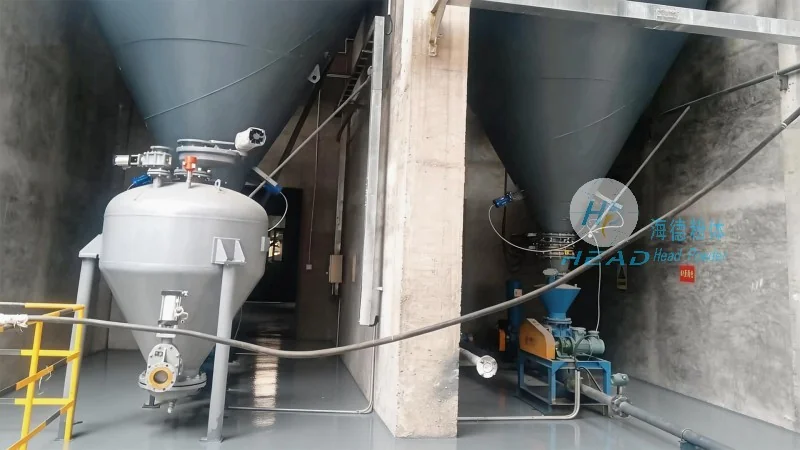
Key Components of Pneumatic Conveying Systems
The pneumatic conveying equipment for feed pellets typically consists of several core components that work in tandem to facilitate material transport. These include a hopper for material storage, a feeder to control the flow rate, a conveying line (often with bends and expansion joints), a vacuum or pressure source to generate airflow, and a receiver for the discharged material. Each component plays a vital role in maintaining the system's efficiency and reliability. The hopper ensures a consistent supply of feed pellets, while the feeder regulates the amount of material entering the conveying line, preventing overloading or underflow. The conveying line, which may be made of metal or flexible tubing, transports the material using air pressure or suction. The vacuum or pressure source provides the necessary force to move the pellets through the line, and the receiver collects the material at the destination point.
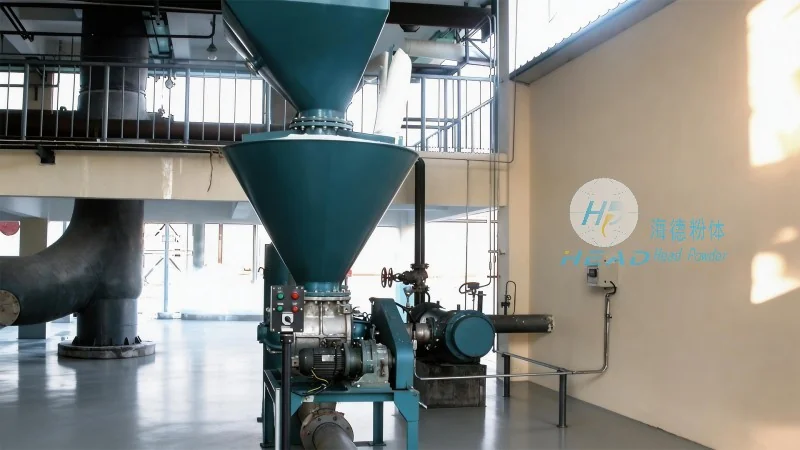
Operation Process of the Pneumatic Conveying System
The operation of the pneumatic conveying system for feed pellets begins with the loading of the hopper. Once the hopper is filled with feed pellets, the feeder starts to discharge the material at a controlled rate. Simultaneously, the vacuum or pressure source activates, generating airflow through the conveying line. The air flow entrains the feed pellets, creating a mixture of material and air that travels through the line. The system's design, including the use of bends and expansion joints, minimizes material degradation and ensures smooth transport. As the mixture reaches the receiver, the air is separated from the pellets, and the pellets are discharged into the receiving container. The air, now clean, is either vented to the atmosphere or recirculated, depending on the system configuration. This continuous process allows for the efficient and uninterrupted transport of feed pellets from the storage hopper to the processing or storage location.
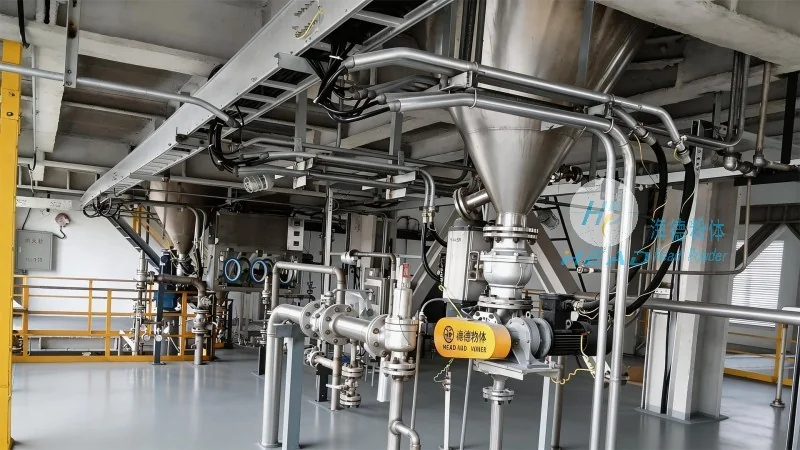
Working Principle of Pneumatic Conveying
The working principle of the pneumatic conveying system relies on the physical properties of the feed pellets and the behavior of air under pressure or suction. When the system operates under pressure, compressed air is introduced into the conveying line, pushing the pellets forward. The air flow creates a low-pressure zone at the inlet, which draws the pellets into the line. The pellets are then carried along by the air, maintaining a consistent velocity to prevent settling or blockage. Under suction mode, a vacuum is created at the receiver end, pulling the pellets through the line. The air flow entrains the pellets, and the pressure differential between the hopper and the receiver drives the material transport. The key to efficient operation is maintaining an appropriate air-to-material ratio, which balances the conveying velocity with the material's density and size. Properly designed components, such as the feeder and the conveying line, ensure that the material is transported without excessive pressure drops or energy consumption.
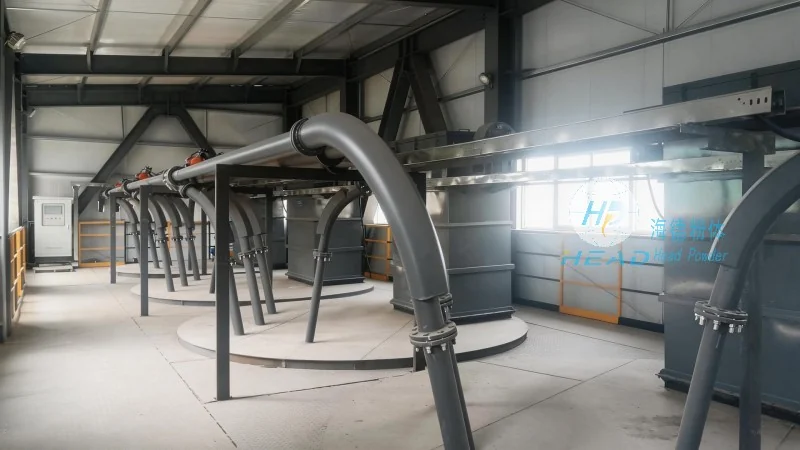
Advantages of Pneumatic Conveying for Feed Pellets
Implementing pneumatic conveying systems for feed pellet materials offers several advantages over traditional methods like belt conveyors or bucket elevators. Firstly, it provides a closed system, which helps maintain hygiene and prevents contamination from external sources. This is particularly important in feed processing, where product quality and safety are paramount. Secondly, pneumatic conveying is highly flexible, allowing for the transport of materials over long distances and through complex layouts, including vertical and horizontal sections. The system can also handle varying material characteristics, such as different pellet sizes and moisture content, without significant performance degradation. Additionally, the equipment is relatively low in maintenance, as it has fewer moving parts compared to mechanical conveyors. The energy efficiency of pneumatic systems, especially when using suction mode, can lead to cost savings over time. Overall, the benefits of using pneumatic conveying for feed pellets make it a preferred choice for modern feed processing facilities.




