Operation Process and Working Principle of Urea Material Pneumatic Conveying Equipment
Release time:2026-09-21 12:01:42
name of the company:Shandong Headpowder Engineering Co., Ltd.
telephone:156-6277-7102
contacts:Zhang manager
Urea, as a critical fertilizer and industrial chemical, requires efficient and reliable transportation methods to ensure smooth supply chains. Pneumatic conveying equipment has emerged as a preferred solution for handling urea due to its ability to transport bulk materials in a controlled manner. This article delves into the operation process and working principle of urea material pneumatic conveying equipment, highlighting the key components, operational steps, and technical aspects that contribute to its effectiveness. The expertise of companies like Shandong HeadPowder Engineering Co., Ltd. (headpowder) in designing and manufacturing such systems has played a significant role in advancing the technology for urea transportation.
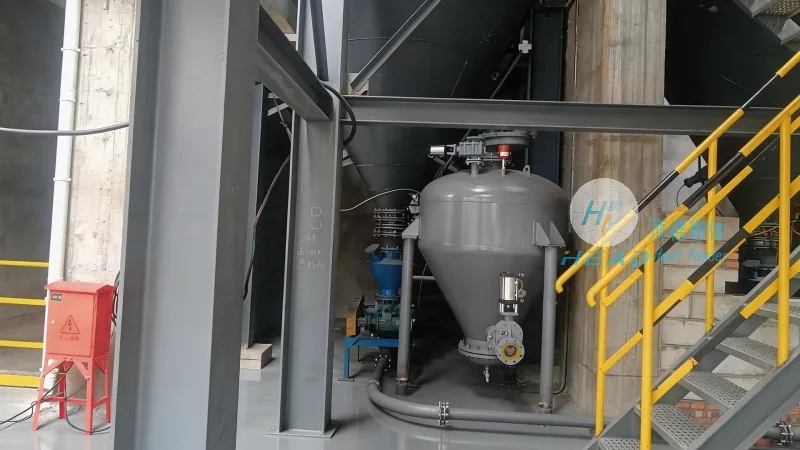
Overview of Urea Material Pneumatic Conveying Systems
Pneumatic conveying systems for urea utilize air or gas as the medium to transport the material from the source to the destination. These systems are designed to handle the unique properties of urea, such as its granular structure and potential for dust generation. The equipment typically consists of a hopper, feeder, conveying line, and receiver, with optional components like filters, cyclones, and pressure vessels to enhance performance and safety.
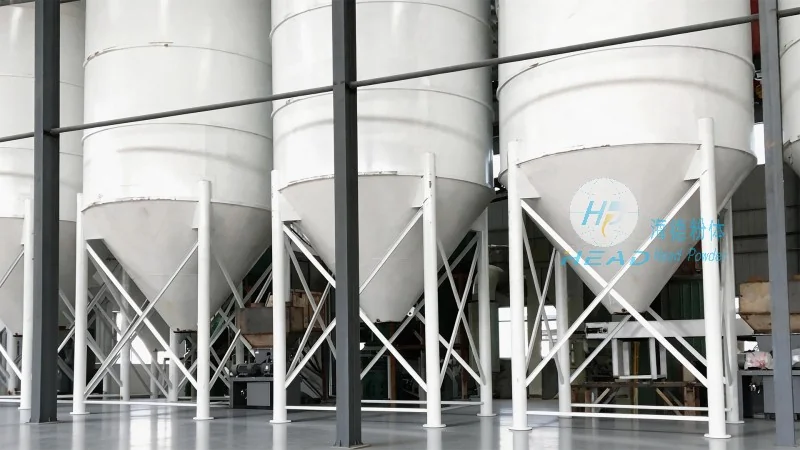
The Operation Process of Urea Pneumatic Conveying Equipment
The operation process of urea material pneumatic conveying equipment involves several sequential steps that ensure efficient material transfer. The process begins with the loading of urea into the hopper, where the material is stored before being fed into the system. A feeder, often a rotary valve or screw feeder, regulates the flow of urea into the conveying line, controlling the rate of material discharge. The conveying line, usually made of metal or plastic, is connected to a blower or compressor that generates the necessary air pressure to move the urea particles through the system.
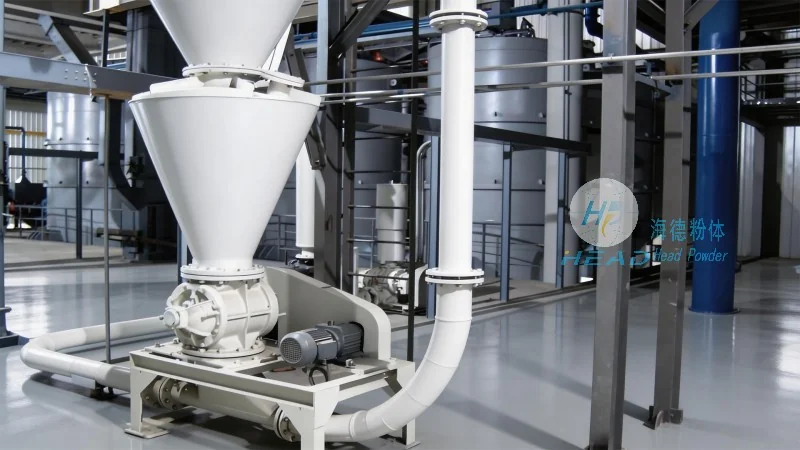
As the urea granules enter the conveying line, they are suspended by the air stream and transported to the receiver or discharge point. The air pressure and velocity are carefully managed to prevent material degradation, blockages, or excessive dust emissions. At the receiving end, the urea is deposited into a storage tank or processing unit, while the air is filtered and recycled back to the system to maintain efficiency. The entire process is monitored by control systems that adjust parameters like pressure, flow rate, and temperature to optimize performance and ensure consistent operation.




