HeadPowder, a leading manufacturer based in Shandong, China, specializes in the design, production, and supply of advanced pneumatic conveying equipment tailored for polyethylene pellet materials. This article delves into the operational process and underlying working principles of such equipment, providing a comprehensive understanding for industry professionals and potential clients.
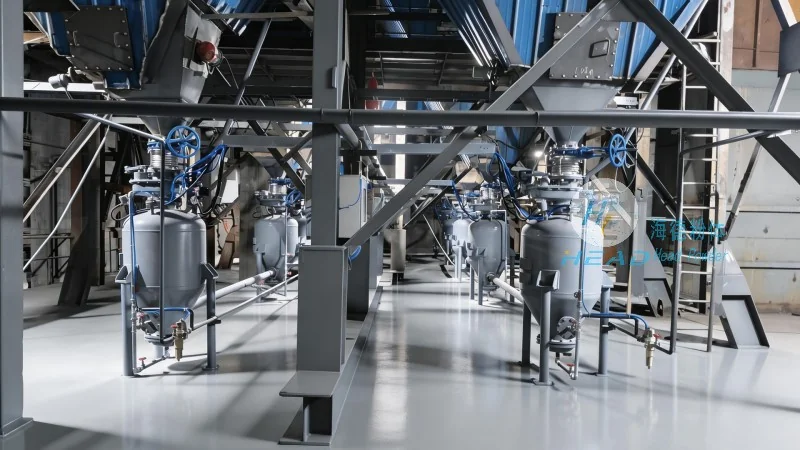
Pneumatic Conveying Equipment Overview
At the core of efficient polyethylene pellet handling is the pneumatic conveying system, which utilizes air or gas as the medium to transport bulk materials. The equipment from Shandong HeadPowder Engineering Co., Ltd. is engineered to handle the unique challenges associated with polyethylene pellets, including their size, density, and flow characteristics. By integrating state-of-the-art technology, the system ensures reliable, low-maintenance operation while minimizing material degradation and dust generation.
Key Components and Their Functions
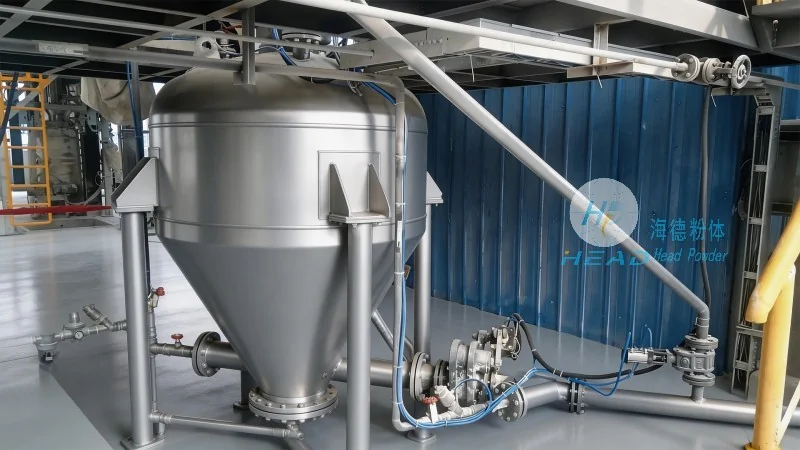
The pneumatic conveying equipment comprises several critical components, each playing a vital role in the overall process. The primary components include the hopper (for material storage and feeding), the conveyor line (where the material is transported), the air compressor (to generate the necessary air pressure), and the control system (for monitoring and regulating the operation). Each component is meticulously designed to work in harmony, ensuring seamless material transfer from the source to the destination.
Operation Process: Step-by-Step Explanation
The operation of the polyethylene pellet pneumatic conveying system follows a systematic sequence. Initially, polyethylene pellets are fed into the hopper from the storage silo or container. The material then flows into the conveyor line under the influence of the air pressure generated by the compressor. As the air moves through the pipeline, it carries the pellets forward, maintaining a consistent flow rate. The control system continuously monitors parameters such as pressure, flow rate, and material level, adjusting the air supply as needed to optimize performance. Upon reaching the destination, the pellets are discharged into the receiving container or processing unit, completing the cycle.
Working Principle: How It Works
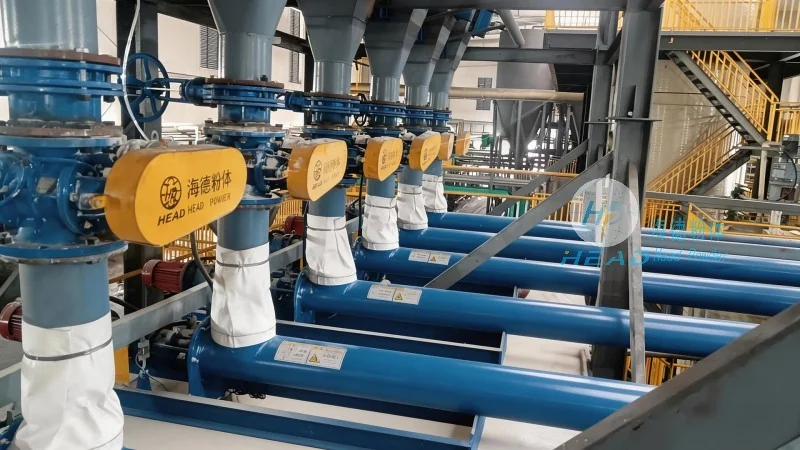
The working principle of the pneumatic conveying equipment is based on the principles of fluid dynamics and material transport. The system operates by creating a pressure differential between the inlet and outlet of the conveyor line. The air compressor generates high-pressure air, which is introduced into the hopper, causing the polyethylene pellets to be entrained and carried along the pipeline. The velocity of the air and the size of the pellets determine the conveying velocity and efficiency. The equipment is designed to handle both dilute-phase and dense-phase conveying, offering flexibility based on the specific application requirements. The use of appropriate air velocities and pipeline design minimizes particle separation and ensures uniform material distribution.
Advantages of Pneumatic Conveying for Polyethylene Pellets
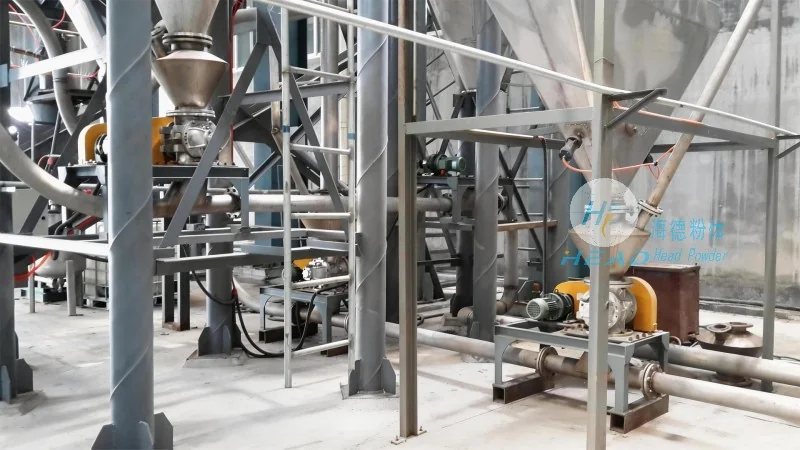
Implementing pneumatic conveying for polyethylene pellets offers numerous advantages over traditional methods like belt conveyors or manual handling. The primary benefits include reduced labor costs, improved safety by eliminating manual handling, and enhanced material quality due to minimized exposure to contaminants and degradation. Additionally, the system provides better control over material flow, preventing blockages and ensuring consistent throughput. The compact design of the equipment also saves space in industrial facilities, making it suitable for both new installations and retrofitting existing systems.
Application Scenarios and Industry Impact
Pneumatic conveying equipment from Shandong HeadPowder Engineering Co., Ltd. is widely used in various industries that handle polyethylene pellets, including plastics manufacturing, chemical processing, and packaging. In the plastics industry, the equipment is crucial for transporting pellets from storage to extrusion lines, ensuring a steady supply of raw material. In chemical processing, it facilitates the transfer of pellets between processing stages, maintaining process continuity. The versatility of the system allows it to be adapted to different production scales, from small-scale operations to large industrial plants. By improving operational efficiency and reducing downtime, the equipment contributes to increased productivity and cost savings for businesses.




