HeadPowder, a leading manufacturer based in Shandong, China, specializes in the design, production, and installation of advanced pneumatic conveying systems tailored for mineral granular materials. These systems are engineered to efficiently transport bulk materials over varying distances with minimal maintenance and operational costs.
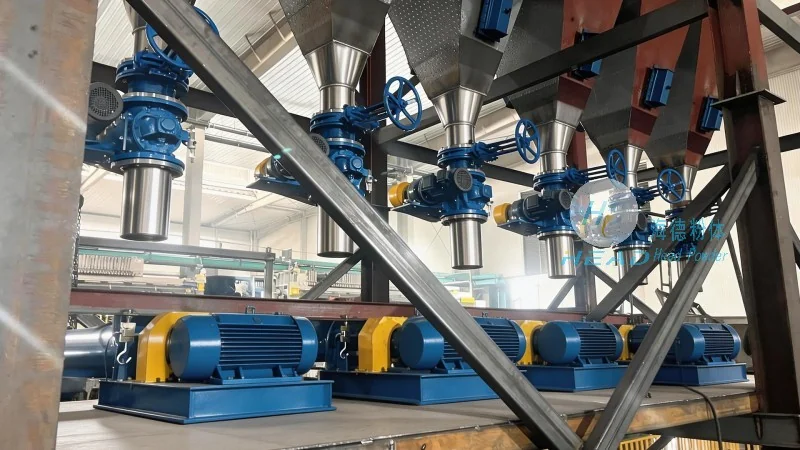
Overview of Pneumatic Conveying Systems
Pneumatic conveying equipment for mineral granular materials is a critical component in industrial processes, enabling the safe and efficient movement of bulk materials such as powders, granules, and fine particles. The technology relies on the use of air or gas to create a flow that transports the material through a pipeline network. This method is particularly advantageous for materials that are dusty, corrosive, or require a dust-free environment, as it eliminates the need for mechanical components like belts or buckets that may cause contamination or wear.
Key Components of the Pneumatic Conveying System
The core components of a pneumatic conveying system for mineral granular materials typically include a material feeder, a conveying pipeline, a pressure or vacuum source, a separation unit, and a collection tank. Each component plays a vital role in ensuring the smooth operation of the system. The material feeder is responsible for accurately metering the input material, while the conveying pipeline transports the material from the feeder to the destination. The pressure or vacuum source provides the necessary force to move the material through the pipeline, and the separation unit, often a cyclone or filter, separates the material from the air stream, allowing the air to be recirculated or discharged.
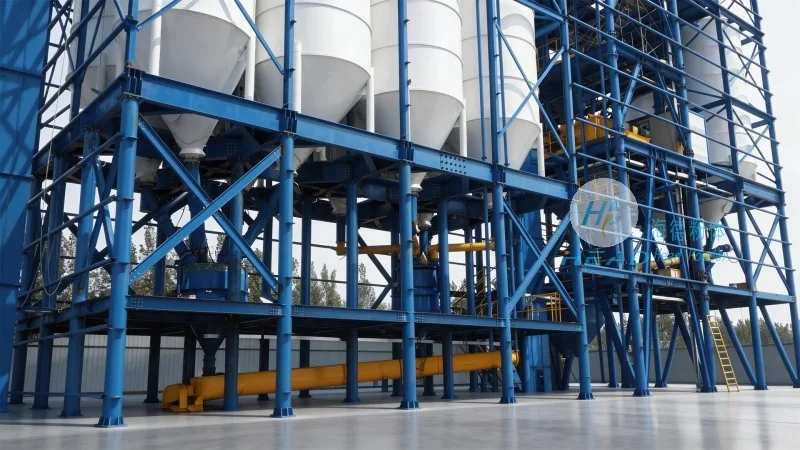
Operation Process of the Pneumatic Conveying Equipment
The operation process of the pneumatic conveying equipment for mineral granular materials begins with the material being fed into the system. The feeder, which can be a screw feeder, rotary valve, or other type of metering device, controls the flow rate of the material. Once the material is introduced, the conveying medium—usually compressed air or a vacuum—is activated. The air is introduced into the pipeline, creating a flow that entrains the material particles. The mixture of material and air travels through the pipeline to the receiving point. At the destination, the separation unit operates to separate the material from the air. The material is then collected in the collection tank, and the air is either filtered and recirculated or vented to the atmosphere, depending on the system design and material properties.
Working Principle of the Pneumatic Conveying System
The working principle of the pneumatic conveying system is based on the principle of fluidization and drag. When the conveying medium (air) is introduced into the pipeline at a sufficient velocity, it creates a drag force on the material particles, lifting them and carrying them along the pipeline. The velocity of the air must be high enough to overcome the gravitational force acting on the particles and any frictional losses in the pipeline. The system can operate in either positive pressure (where compressed air pushes the material) or negative pressure (where a vacuum pulls the material). The choice of operating mode depends on factors such as the distance to be covered, the material characteristics, and the desired flow rate.
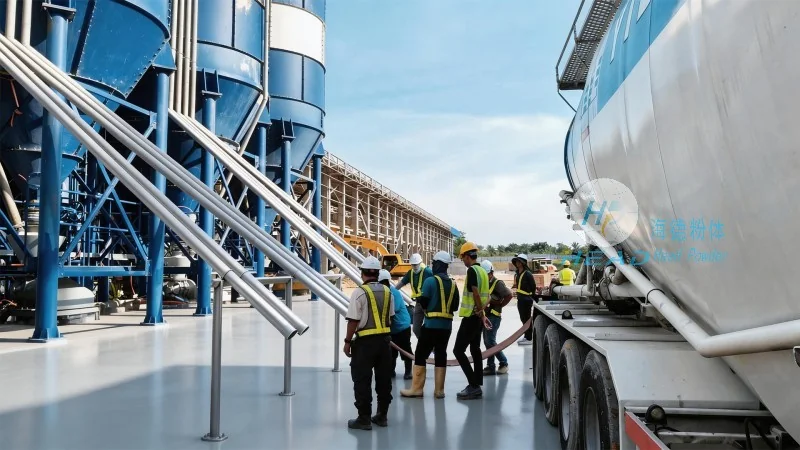
Advantages of Pneumatic Conveying for Mineral Granular Materials
Pneumatic conveying systems offer several advantages when handling mineral granular materials. These include the ability to transport materials over long distances without the need for intermediate storage or transfer points, which reduces the risk of material degradation or contamination. The system is also highly flexible, as it can be easily modified or expanded to accommodate changes in production volume or material type. Additionally, the enclosed pipeline design prevents dust emissions, making it suitable for applications where environmental regulations are stringent. The equipment is also relatively low maintenance, as it has fewer moving parts compared to mechanical conveying systems, reducing downtime and operational costs.
Application Examples in the Mineral Industry
Pneumatic conveying equipment is widely used in various applications within the mineral industry. For example, in mining operations, it is used to transport crushed ore from the processing plant to storage silos or to other processing units. In cement production, it is used to convey raw materials such as limestone and clay from the quarry to the kiln. In chemical processing, it is used to transport powders and granules between different processing stages, ensuring a continuous and efficient production flow. The versatility of the system makes it suitable for a wide range of mineral granular materials, including coal, sand, and various industrial powders.
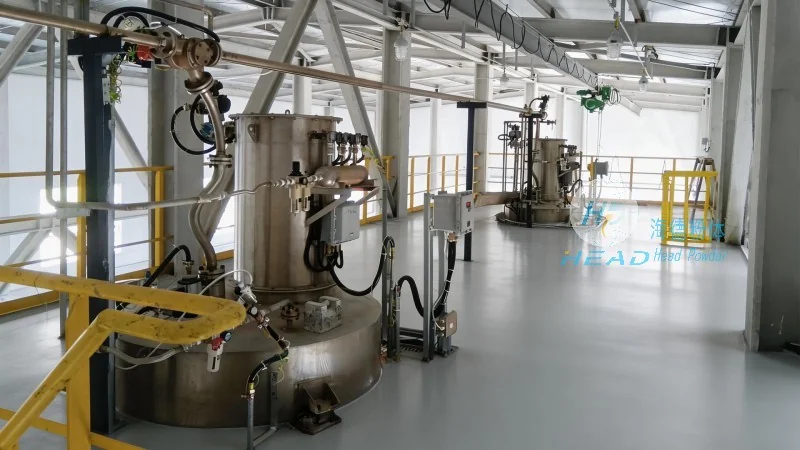
Customization and Installation Services by HeadPowder
HeadPowder provides comprehensive customization and installation services to meet the specific needs of clients. The company works closely with customers to understand their operational requirements and material characteristics, then designs a tailored pneumatic conveying system that maximizes efficiency and minimizes costs. The installation process is carried out by experienced technicians who ensure that the system is properly assembled and commissioned. HeadPowder also offers after-sales support, including maintenance and repair services, to ensure the long-term reliability and performance of the equipment.
Conclusion
HeadPowder's pneumatic conveying equipment for mineral granular materials represents a reliable and efficient solution for industrial material handling. By understanding the operation process and working principle of these systems, users can optimize their material transport processes, reduce operational costs, and improve overall productivity. With its commitment to quality and customer satisfaction, HeadPowder continues to be a trusted partner in the mineral processing industry.




