Titanium dioxide (TiO₂) is a widely used white pigment and photocatalyst in various industries, including coatings, plastics, and paper. The efficient and safe transportation of TiO₂ powder is crucial for industrial processes. Pneumatic conveying equipment offers a reliable solution for handling such fine powders. This article provides an overview of the structure and working principle of a titanium dioxide pneumatic conveying system, highlighting its key components and operational mechanisms.
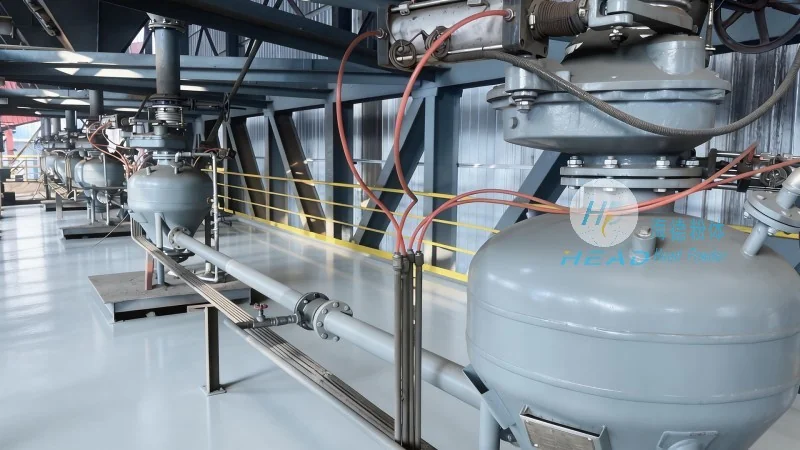
Introduction to Pneumatic Conveying Systems for Titanium Dioxide
Pneumatic conveying, or air-based powder transport, is a method that uses compressed air to move dry powders through a pipeline. For titanium dioxide, which is often produced as a fine powder, this technology ensures minimal product degradation and contamination. The system is designed to handle the specific properties of TiO₂, such as its particle size, density, and flow characteristics. By understanding the structure and operation of this equipment, users can optimize their material handling processes and enhance overall productivity.
About Shandong HeadPowder Engineering Co., Ltd.
Shandong HeadPowder Engineering Co., Ltd., based in Shandong, China, specializes in the design, manufacturing, and installation of advanced powder handling equipment. With years of experience in the industry, the company has developed expertise in creating customized pneumatic conveying solutions tailored to the needs of various applications. HeadPowder's commitment to quality and innovation ensures that their equipment meets the highest standards for efficiency, reliability, and safety.
Key Components of a Titanium Dioxide Pneumatic Conveying System
The structure of a pneumatic conveying system for titanium dioxide typically includes several critical components. The first is the feed hopper, which stores and feeds the TiO₂ powder into the system. This component is equipped with a discharge valve to control the flow rate and prevent clogging. The feed hopper is often designed with a conical or cylindrical shape to facilitate uniform material distribution.
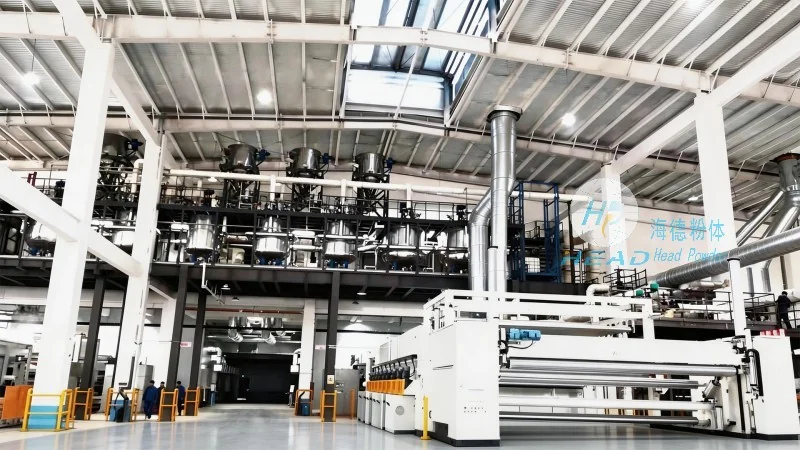
Next, the air compressor provides the necessary pressure and airflow to transport the powder. The compressor generates compressed air, which is then directed into the pipeline. The pressure and flow rate are carefully controlled to ensure the powder is conveyed at an optimal velocity, minimizing particle breakage and system wear. The compressor is usually equipped with filters and moisture separators to maintain air quality and prevent contamination.
The conveying pipeline is a network of pipes that connects the feed hopper to the destination point, such as a storage silo or processing unit. The pipeline is typically made of materials resistant to corrosion and abrasion, such as stainless steel or special alloys, to withstand the abrasive nature of TiO₂ particles. The design of the pipeline includes bends, elbows, and straight sections, which are optimized to minimize pressure losses and maintain consistent flow.
The separator and cyclone is a crucial component for separating the TiO₂ powder from the air stream. As the mixture of powder and air enters the separator, the air is forced to change direction, causing the heavier powder particles to settle out and collect in a collection bin. The separated air is then discharged back into the system or released to the atmosphere. This component is designed to achieve high separation efficiency, ensuring that the powder is recovered with minimal loss.
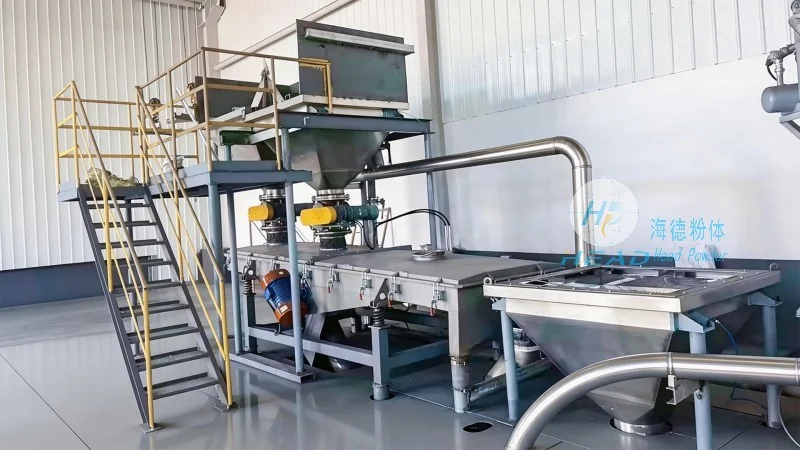
Working Principle of the Pneumatic Conveying Process
The operation of a titanium dioxide pneumatic conveying system involves several steps. The process begins with the TiO₂ powder being fed from the hopper into the pipeline. Simultaneously, compressed air is introduced into the pipeline, creating a flow that lifts and transports the powder particles. The air velocity is maintained above the minimum conveying velocity, which is determined by the particle size, density, and flow characteristics of the TiO₂.
As the mixture travels through the pipeline, it passes through various components, including bends and elbows, which may cause some pressure loss. The separator then separates the powder from the air, collecting the TiO₂ in a storage bin. The air, now free of powder, is either recirculated back to the compressor or vented to the environment. The entire process is controlled by a system of valves, sensors, and control panels, which monitor pressure, flow rate, and other parameters to ensure smooth and efficient operation.
Advantages of Using Pneumatic Conveying for Titanium Dioxide
Pneumatic conveying offers several advantages for handling titanium dioxide. First, it provides a closed system, which prevents dust contamination and environmental pollution. This is particularly important for TiO₂, which is often used in food and pharmaceutical applications where purity is critical. The closed system also reduces the risk of product exposure to moisture or other contaminants.
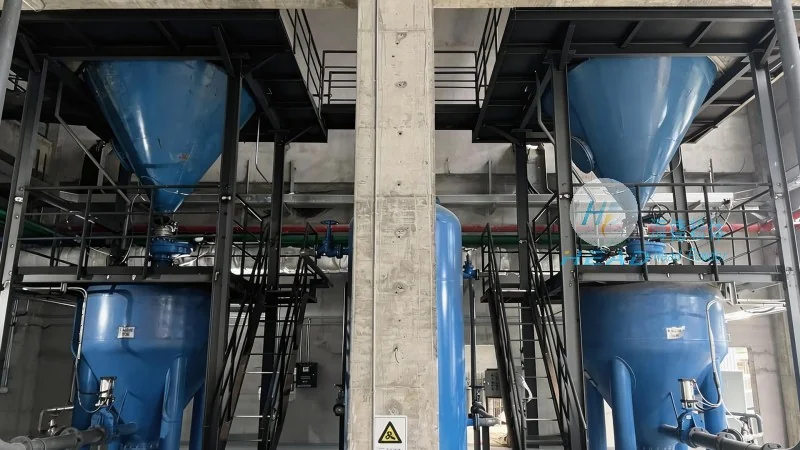
Second, pneumatic conveying is highly efficient in terms of material transport. The system can handle large volumes of TiO₂ powder with minimal labor and energy consumption. The continuous operation of the equipment ensures a steady supply of material to downstream processes, improving overall production efficiency.
Third, the technology is flexible and can be adapted to various production scales and layouts. Whether for small-scale laboratory applications or large industrial plants, pneumatic conveying systems can be customized to meet specific requirements. The modular design of the equipment allows for easy expansion or modification as production needs change.
Conclusion
Titanium dioxide pneumatic conveying equipment is a vital component in the industrial handling of fine powders. The system's structure, which includes feed hoppers, air compressors, conveying pipelines, and separators, works together to efficiently transport TiO₂ while maintaining product quality and safety. Companies like Shandong HeadPowder Engineering Co., Ltd. play a crucial role in providing these advanced solutions, ensuring that industries can meet their material handling needs effectively. By understanding the principles and benefits of pneumatic conveying, users can optimize their processes and enhance the performance of their titanium dioxide operations.




