For industries dealing with bulk materials, efficient and reliable material handling is crucial. Tank truck pneumatic conveying lines represent a sophisticated solution that integrates the transportation of powders and granules from tank trucks to processing facilities. This technology is widely adopted in sectors such as food, chemicals, and pharmaceuticals due to its ability to maintain product integrity and minimize contamination risks. The following sections will delve into the operational process and underlying principles of these systems, highlighting the key components and their interplay in ensuring smooth material transfer.
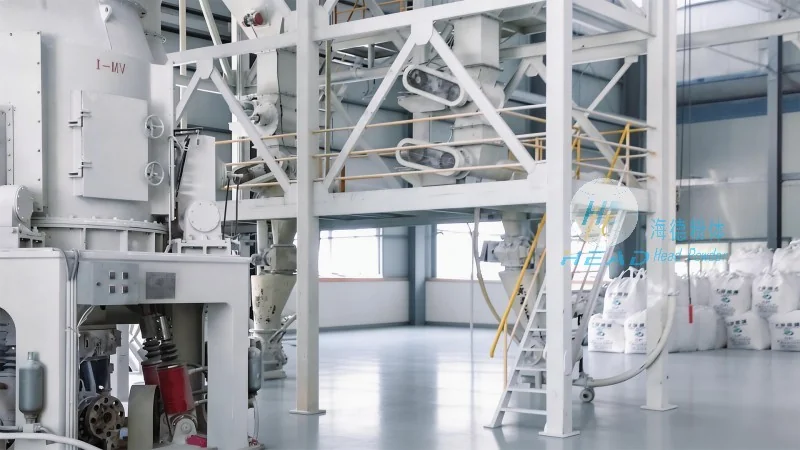
Key Components of Tank Truck Pneumatic Conveying Systems
At the core of a tank truck pneumatic conveying line are several critical components that work in concert to facilitate material transfer. The primary elements include the tank truck itself, which serves as the initial storage and source of the material. A vacuum or pressure source, typically a blower or compressor, generates the necessary airflow to move the material. The conveying line, often composed of flexible hoses or rigid pipes, connects the tank truck to the processing equipment. Additionally, a hopper or receiver is used to collect the material as it is discharged from the truck. A control system, which may include valves, sensors, and a control panel, manages the flow and pressure within the system. These components are meticulously designed to ensure optimal performance and safety during operation.
The Operational Process: Step-by-Step
The operation of a tank truck pneumatic conveying line begins with the preparation of the tank truck. The truck is first positioned at the loading or unloading station, and the material is loaded into the tank via a loading hopper or directly from a storage silo. Once the material is loaded, the tank truck is sealed to prevent contamination and loss of material. The next step involves connecting the conveying line to the tank truck's discharge port. This is typically done using a flexible hose or a quick-connect fitting, ensuring a secure and leak-proof connection. The control system is then activated, and the blower or compressor is started to generate the required airflow. As the air is introduced into the tank, it creates a low-pressure environment that draws the material from the tank into the conveying line. The material is then transported through the line to the processing facility, where it is collected in a hopper or silo. The entire process is monitored by the control system, which adjusts the airflow and pressure as needed to maintain a consistent flow rate. Once the material is fully transferred, the system is shut down, and the tank truck is disconnected from the line.
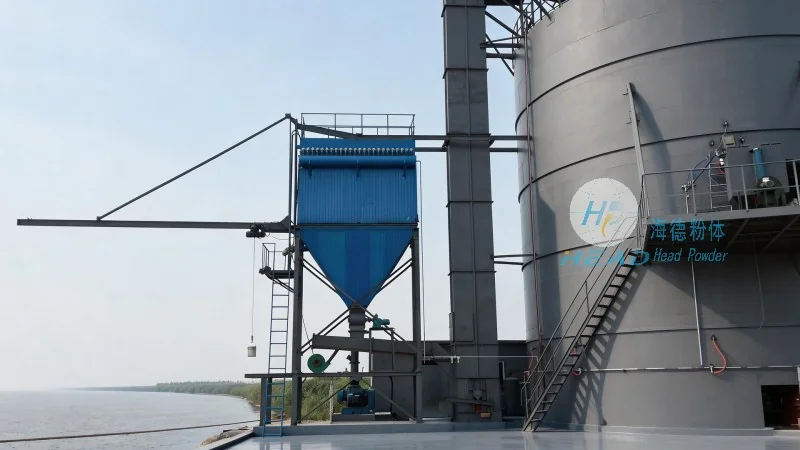
Working Principle: How It Works
The working principle of a tank truck pneumatic conveying line is based on the principles of fluid dynamics and particle transport. The system operates by creating a pressure differential between the tank truck and the processing facility. In a vacuum system, the blower creates a negative pressure in the tank, which draws the material into the conveying line. The material is then carried by the airflow through the line to the receiver. In a pressure system, the blower creates a positive pressure in the line, which pushes the material from the tank to the processing facility. The choice between vacuum and pressure systems depends on the material properties, such as particle size, density, and moisture content, as well as the distance and elevation changes between the tank truck and the processing equipment. The system also incorporates features to prevent material buildup and blockages, such as cyclones or filters, which separate the material from the air and return the air to the blower for recirculation. This recirculation helps to reduce energy consumption and maintain consistent airflow.
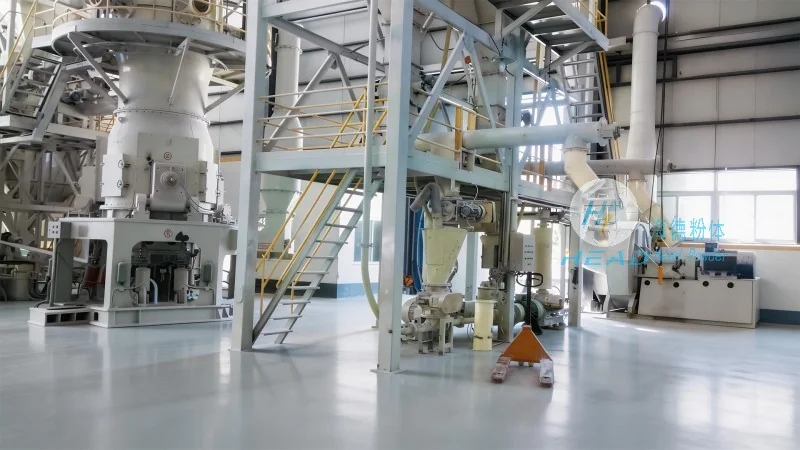
Advantages of Tank Truck Pneumatic Conveying Lines
Implementing a tank truck pneumatic conveying line offers several advantages over traditional methods like manual loading or mechanical conveying. Firstly, it significantly reduces labor costs and improves operational efficiency by automating the material transfer process. The system can handle large volumes of material quickly and consistently, minimizing downtime and increasing productivity. Secondly, it maintains the integrity of the material by preventing exposure to air, moisture, or contaminants. This is particularly important for sensitive materials such as food products or pharmaceuticals, where quality control is paramount. Thirdly, the system is flexible and can be easily adapted to different tank truck sizes and material types. It can also be integrated with other processing equipment, such as mixers or reactors, to form a comprehensive material handling system. Finally, the system is relatively low maintenance, with fewer moving parts compared to mechanical conveyors, reducing the risk of breakdowns and maintenance costs.
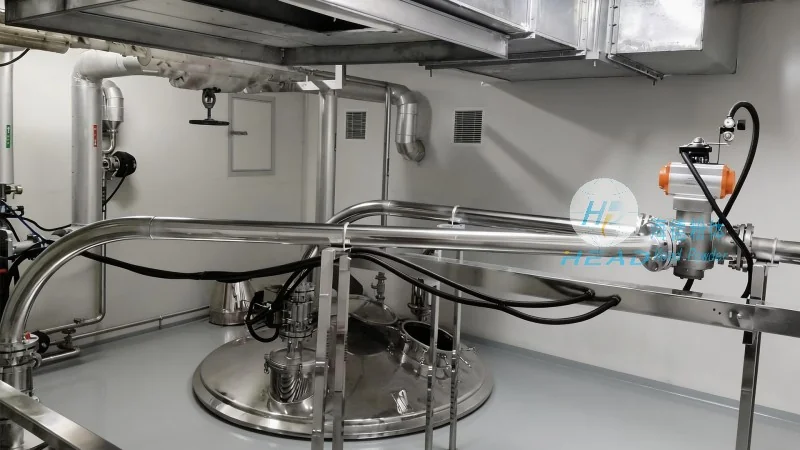
Applications and Industries
Tank truck pneumatic conveying lines are widely used in various industries due to their versatility and efficiency. In the food industry, they are used to transfer ingredients such as flour, sugar, and spices from tank trucks to production lines. In the chemical industry, they handle chemicals, pigments, and other bulk materials, ensuring safe and controlled transfer. The pharmaceutical industry also relies on these systems to transport raw materials and finished products, maintaining strict hygiene and contamination control. Additionally, the system is used in the agricultural sector for handling grains and other agricultural products, as well as in the mining industry for transporting ore and other minerals. The adaptability of the system makes it suitable for a wide range of applications, from small-scale operations to large industrial facilities.
Conclusion
Tank truck pneumatic conveying lines are a vital component of modern material handling systems, offering an efficient and reliable solution for transferring bulk materials from tank trucks to processing facilities. By understanding the operational process and working principles, industries can optimize their material transfer operations, improve productivity, and maintain product quality. As technology continues to advance, these systems are becoming more sophisticated, with features such as automated control and real-time monitoring, further enhancing their performance and versatility. For businesses looking to enhance their material handling capabilities, investing in a tank truck pneumatic conveying line from a reputable manufacturer like Shandong HeadPowder Engineering Co., Ltd. can provide significant benefits in terms of efficiency, cost savings, and product quality.




