Phosphoric hydrogen calcium, a critical raw material in the fertilizer and food industries, requires efficient and reliable handling solutions to ensure smooth production and distribution processes. Pneumatic conveying systems have emerged as a preferred method for transporting such powders, offering advantages over traditional mechanical methods like belt conveyors or bucket elevators. This article explores the structure and operational principles of pneumatic conveying equipment specifically designed for phosphoric hydrogen calcium, highlighting the key components and how they work together to achieve effective powder transport.
Introduction to Pneumatic Conveying for Phosphoric Hydrogen Calcium
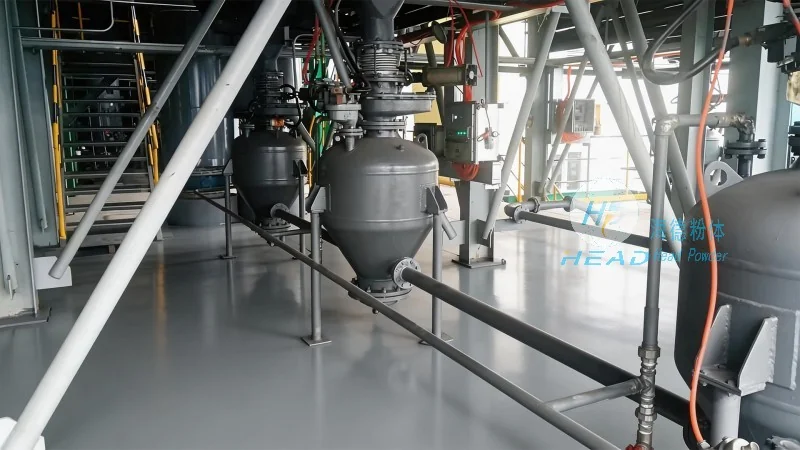
Phosphoric hydrogen calcium, also known as calcium dihydrogen phosphate, is widely used in agricultural fertilizers and as a food additive. Its handling demands precision due to its fine particle size and potential for dust generation. Traditional handling methods often struggle with dust control and material degradation, making pneumatic conveying an ideal solution. The system uses compressed air to move the powder through a sealed pipeline, minimizing exposure to the environment and reducing product contamination.
HeadPowder: A Leading Provider of Powder Handling Solutions
Shandong HeadPowder Engineering Co., Ltd., based in Shandong, China, specializes in designing and manufacturing advanced pneumatic conveying equipment tailored to the needs of the chemical and food industries. With years of experience in powder technology, HeadPowder has developed robust systems that ensure high efficiency, low maintenance, and compliance with industry standards. The company’s commitment to quality and innovation has made it a trusted partner for businesses dealing with sensitive powders like phosphoric hydrogen calcium.
Core Components of the Pneumatic Conveying System
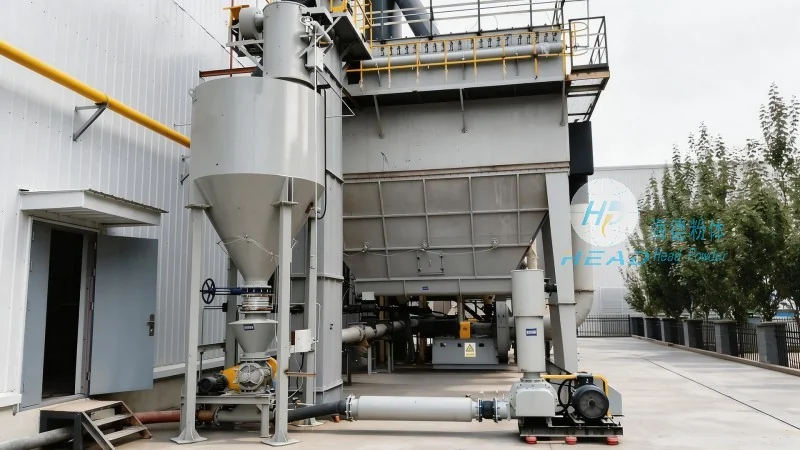
The pneumatic conveying system for phosphoric hydrogen calcium consists of several interconnected components, each playing a vital role in the transport process. The primary components include:
- Air Supply Unit: This component generates the necessary compressed air, typically using a blower or compressor. The air pressure and flow rate are adjustable to match the specific characteristics of the powder, ensuring optimal conveying performance.
- Feed Hopper and Screw Feeder: The feed hopper stores the phosphoric hydrogen calcium, while the screw feeder controls the rate at which the powder is introduced into the conveying line. This ensures a consistent flow rate, preventing blockages and maintaining system stability.
- Conveying Pipe Network: The powder is transported through a network of pipes, which may include straight sections, bends, and expansion joints. The pipe material is usually stainless steel or food-grade plastic to prevent corrosion and contamination.
- Separation and Collection System: At the end of the conveying line, a separator (such as a cyclone or bag filter) separates the powder from the air. The collected powder is then discharged into a storage bin or processing unit, while the air is filtered and released back into the environment.
Operational Principle: How the System Works
The operation of the pneumatic conveying system for phosphoric hydrogen calcium involves several steps. First, the compressed air is introduced into the feed hopper, creating a low-pressure zone that draws the powder into the conveying pipe. The air and powder mixture travels through the pipe network, with the air velocity maintaining the powder in suspension. As the mixture reaches the separator, the centrifugal force causes the powder to separate from the air, which is then filtered and discharged. The separated powder is collected and ready for further processing or packaging.
Advantages of Pneumatic Conveying for Phosphoric Hydrogen Calcium
Compared to other handling methods, pneumatic conveying offers several advantages for transporting phosphoric hydrogen calcium:
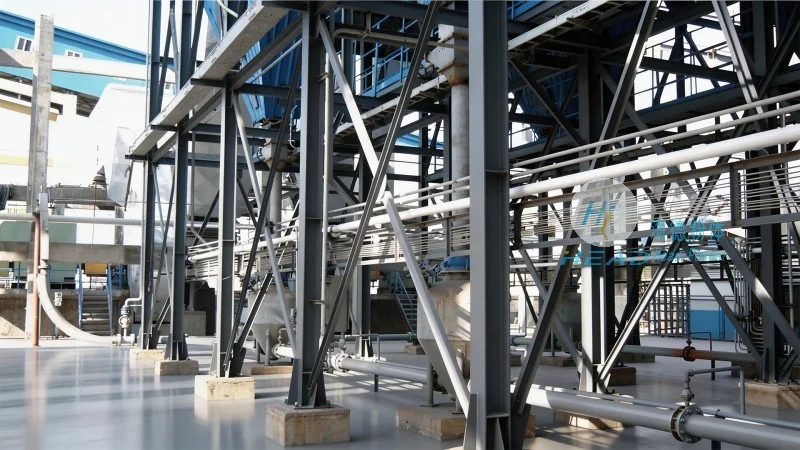
- Efficiency and Speed: The system can transport large quantities of powder quickly, reducing production downtime and increasing overall throughput.
- Dust Control: The sealed pipeline prevents dust from escaping into the environment, improving workplace safety and compliance with environmental regulations.
- Product Integrity: The low-impact transport minimizes particle degradation and agglomeration, preserving the quality of the phosphoric hydrogen calcium.
- Space Efficiency: The compact design of the system allows for installation in limited spaces, making it suitable for both new and existing facilities.
Applications in the Phosphoric Hydrogen Calcium Industry
Pneumatic conveying equipment is widely used in the production and processing of phosphoric hydrogen calcium. In fertilizer manufacturing, the system transports raw materials to reactors and finished products to storage tanks. In food processing, it moves the additive to packaging lines, ensuring consistent quality and safety. The versatility of the system makes it adaptable to various production scales, from small-scale operations to large industrial plants.
Conclusion: Choosing the Right Pneumatic Conveying Solution
For businesses dealing with phosphoric hydrogen calcium, selecting the appropriate pneumatic conveying equipment is crucial for operational success. Shandong HeadPowder Engineering Co., Ltd. offers customized solutions that address the unique challenges of handling this powder, ensuring reliable and efficient transport. By understanding the core components and operational principles of the system, companies can make informed decisions that enhance productivity, reduce costs, and maintain product quality.




