Shandong HeadPowder Engineering Co., Ltd. specializes in the design, manufacturing, and installation of advanced pneumatic conveying systems for copper concentrate powder. This equipment is essential for efficiently transporting copper concentrate from storage facilities to processing plants, ensuring a smooth and reliable material handling process. The following sections detail the operation process and working principles of such systems, highlighting key components and their functions.
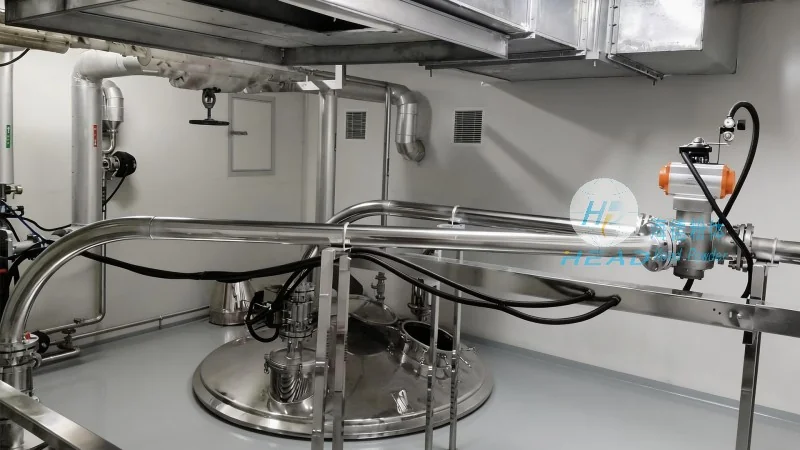
Key Components of Pneumatic Conveying Systems
The core components of a copper concentrate powder pneumatic conveying system include the hopper, feeder, air compressor, conveying line, and receiver. The hopper is designed to store the copper concentrate powder, providing a consistent feed to the system. The feeder, typically a rotary valve or screw feeder, regulates the flow of material into the conveying line. The air compressor generates the necessary air pressure to move the powder through the system. The conveying line, often made of stainless steel or other corrosion-resistant materials, transports the powder and air mixture. The receiver collects the conveyed material and separates it from the air, completing the process.
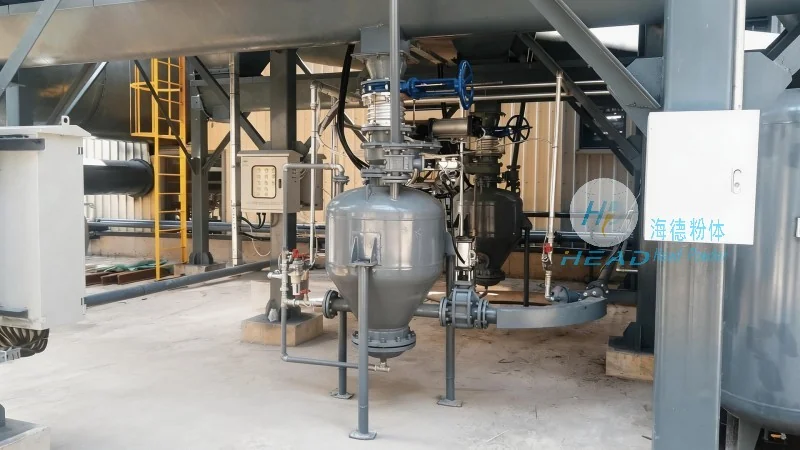
Working Principle of Pneumatic Conveying
The working principle of a copper concentrate powder pneumatic conveying system involves the use of air to transport the powder. In a positive pressure system, the air compressor pressurizes the air, which then flows through the conveying line, carrying the copper concentrate powder particles. The air velocity is maintained above the minimum fluidization velocity to prevent particle settling. The mixture of air and powder is then directed to the receiver, where a cyclone or other separation device separates the powder from the air. The separated powder is collected in the receiver, while the air is either recirculated or vented to the atmosphere, depending on the system design.
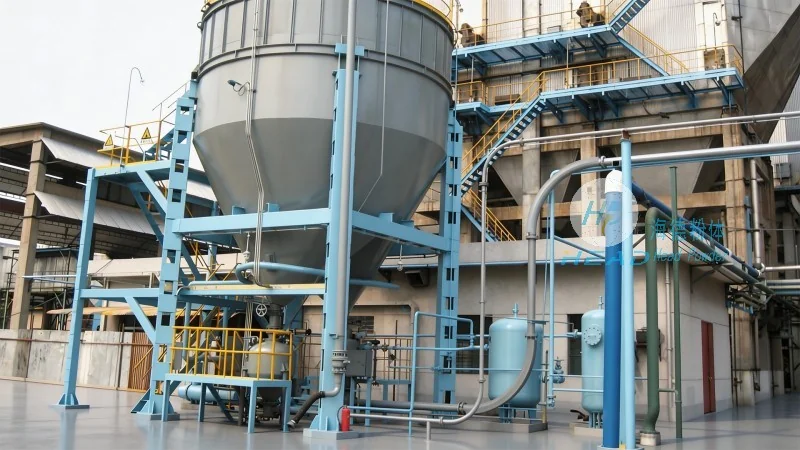
Operation Process of the Equipment
The operation process of a copper concentrate powder pneumatic conveying system begins with the loading of copper concentrate into the hopper. The feeder then starts to regulate the flow of material, ensuring a steady feed rate. The air compressor is activated, generating the required air pressure. The air and powder mixture is then conveyed through the system, moving from the hopper to the receiver. The receiver collects the conveyed material, and the system continues to operate as long as the feed is maintained. Regular maintenance, such as checking air pressure, cleaning the conveying line, and inspecting the feeder, is essential to ensure the system operates efficiently and reliably.
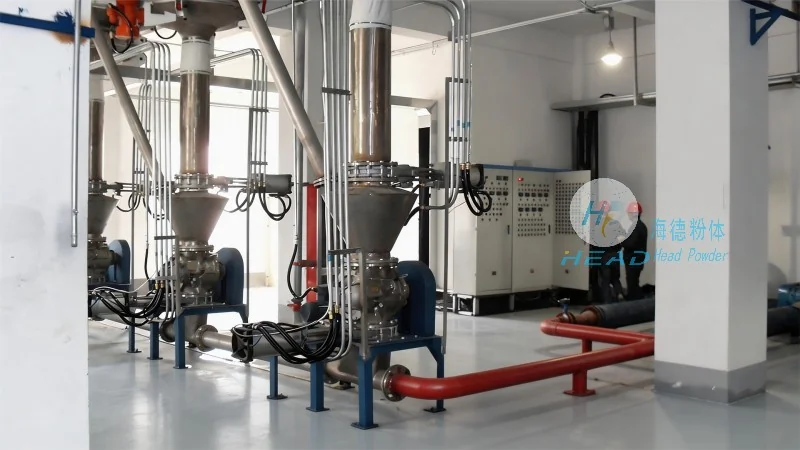
Advantages of Pneumatic Conveying for Copper Concentrate
Pneumatic conveying systems offer several advantages for copper concentrate powder handling. These include the ability to transport materials over long distances without the need for multiple transfer points, reducing the risk of material loss and contamination. The system is also flexible, allowing for changes in the conveying route or capacity as needed. Additionally, pneumatic conveying is a closed system, which helps to prevent dust emissions and maintain a clean working environment. The equipment is also relatively compact, requiring less space compared to traditional belt or bucket elevators.




