Calcite, a common calcium carbonate mineral, is widely used in various industries such as construction, chemical manufacturing, and food processing. The efficient handling of calcite powder is crucial for industrial operations, and pneumatic conveying systems offer a reliable solution. This article explores the operation process and working principle of calcite pneumatic conveying equipment, highlighting the key components, operational steps, and technical aspects that ensure optimal performance.
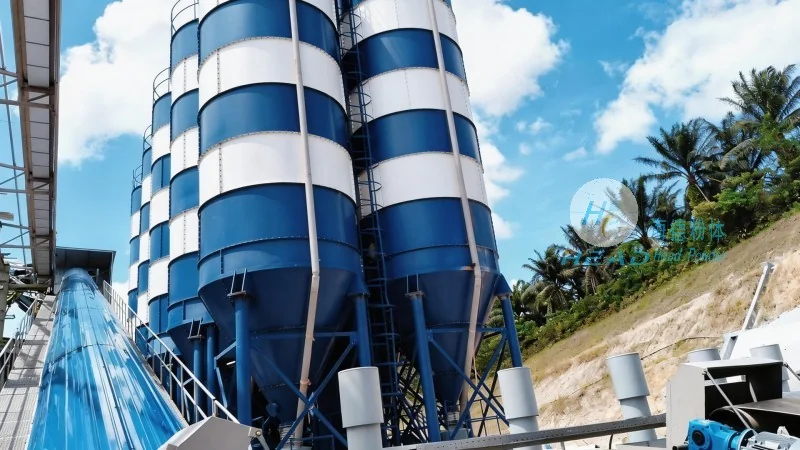
Overview of Calcite Pneumatic Conveying Equipment
Calcite pneumatic conveying equipment is designed to transport calcite powder from a storage silo or hopper to processing units or packaging areas. The system typically consists of several core components, including a feeder, a blower or compressor, a pipeline network, and a receiver or discharge unit. Each component plays a vital role in the overall conveying process, ensuring that calcite is moved safely and efficiently without degradation or loss.
Key Components and Their Functions
The headpowder calcite pneumatic conveying system incorporates advanced components tailored for calcite handling. The feeder, often a rotary valve or screw feeder, regulates the flow of calcite into the pipeline, preventing blockages and maintaining consistent material feed. The blower or compressor generates the necessary air pressure to move the calcite particles through the pipeline. The pipeline network, usually made of stainless steel or other corrosion-resistant materials, is designed to withstand the abrasive nature of calcite and maintain air pressure. The receiver or discharge unit collects the calcite at the destination, ensuring smooth unloading and preventing dust accumulation.
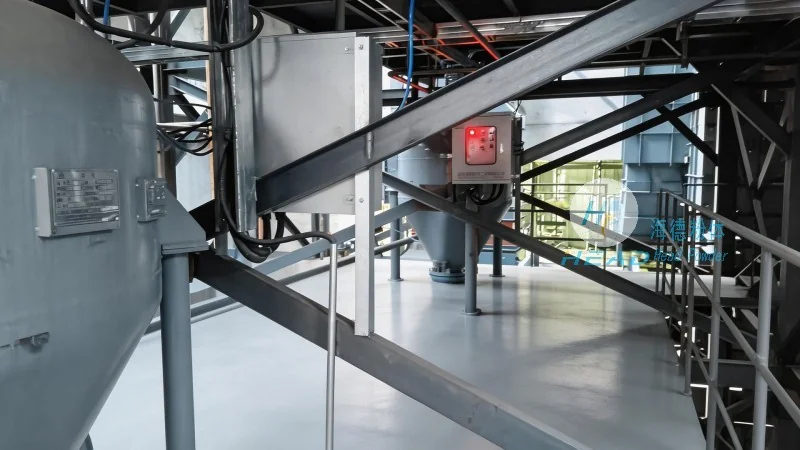
Operation Process of the Pneumatic Conveying System
The operation of the calcite pneumatic conveying equipment follows a systematic process. First, the calcite is fed into the system via the feeder. The blower then creates a low-pressure or high-pressure airflow, depending on the system design, to draw the calcite particles into the pipeline. As the air and calcite mixture travels through the pipeline, the velocity and pressure are maintained to prevent particle separation or blockage. The mixture reaches the receiver, where the air is separated from the calcite, typically through a cyclone or filter system. The calcite is then discharged into the receiving container, while the air is either recirculated or vented to the atmosphere. The entire process is controlled by a programmable logic controller (PLC) or a similar control system, which monitors pressure, flow, and other parameters to ensure smooth operation.
Working Principle of Pneumatic Conveying
The working principle of calcite pneumatic conveying relies on the interaction between air and solid particles. In a dilute-phase system, the calcite particles are suspended in the air stream, moving through the pipeline at a high velocity. The air velocity must be sufficient to overcome the gravitational force acting on the particles and maintain their suspension. In a dense-phase system, the air velocity is lower, and the particles are conveyed in a more compact form, reducing the risk of particle degradation. The choice between dilute and dense-phase systems depends on the calcite characteristics, such as particle size, moisture content, and abrasiveness. For calcite, a dilute-phase system is often preferred due to its ability to handle larger particle sizes and reduce the risk of blockages.
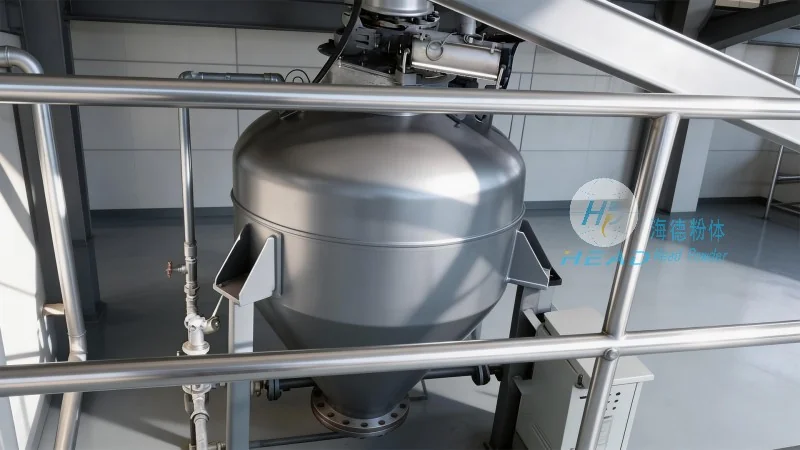
Advantages of Using Pneumatic Conveying for Calcite
Implementing pneumatic conveying for calcite offers several advantages over traditional methods like belt conveyors or bucket elevators. The system is fully enclosed, preventing dust emissions and ensuring a clean working environment. It also reduces material handling time and labor costs, as the calcite is transported directly from the storage area to the processing unit without manual intervention. Additionally, pneumatic conveying systems are flexible and can be easily integrated with existing industrial processes, allowing for seamless material flow. The headpowder calcite pneumatic conveying equipment is designed to maximize these benefits, providing reliable and efficient calcite transport for various industrial applications.
Maintenance and Operational Considerations
To ensure the long-term performance and reliability of the calcite pneumatic conveying system, regular maintenance is essential. The feeder and pipeline components should be inspected regularly for wear and tear, especially in areas exposed to calcite abrasion. The blower or compressor should be checked for proper air pressure and flow rates, as any deviations can affect the conveying efficiency. The receiver and filter systems should be cleaned periodically to prevent dust buildup and maintain air quality. Additionally, the control system should be calibrated to ensure accurate monitoring of operational parameters. By following these maintenance practices, the calcite pneumatic conveying equipment can operate efficiently for extended periods, minimizing downtime and maximizing productivity.




