HeadPowder, a leading engineering company based in Shandong, China, specializes in the design, manufacturing, and installation of advanced pneumatic conveying systems for various bulk material handling applications. This article provides an overview of pneumatic conveying technology, specifically focusing on its application in soybean grain transportation, and explains the fundamental working principles that enable efficient material movement within industrial settings.
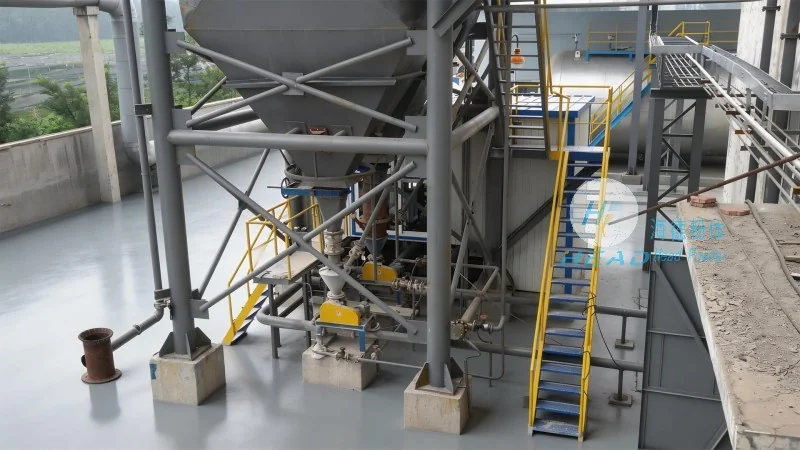
Understanding Pneumatic Conveying Systems
Pneumatic conveying, also known as air conveying, is a method of transporting bulk materials such as grains, powders, and granules through a pipeline using a stream of air or gas. Unlike traditional mechanical conveying systems like belt conveyors or screw conveyors, pneumatic systems rely on the force of air to move materials, offering several advantages including flexibility in layout, reduced equipment wear, and the ability to handle materials in a closed environment, minimizing dust and contamination.
The Working Principle of Pneumatic Conveying
The core of a pneumatic conveying system is the air flow mechanism, which can be categorized into two main types: dilute phase and dense phase. In dilute phase systems, materials are suspended in the air stream and transported at relatively high velocities, typically used for short to medium distance applications. Dense phase systems, on the other hand, use lower air velocities and higher material concentrations, ensuring a more controlled and gentle material flow, ideal for sensitive products like soybeans that require minimal agitation.
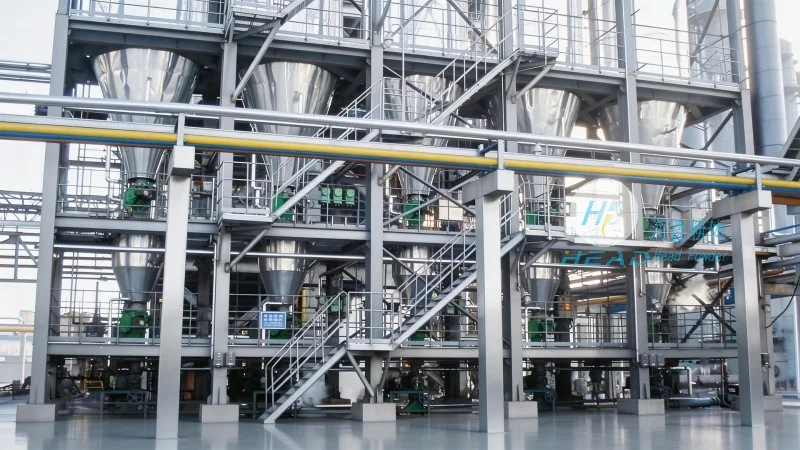
Application in Soybean Grain Handling
For soybean grain, pneumatic conveying systems offer significant benefits in terms of efficiency and product integrity. The closed pipeline design prevents exposure to contaminants and moisture, which is crucial for maintaining the quality of soybeans during storage and processing. Additionally, the system's ability to handle vertical and horizontal transport in a single pipeline reduces the need for multiple pieces of equipment, streamlining the overall material handling process. HeadPowder's expertise in customizing pneumatic conveying solutions ensures that soybean grain can be transported from storage silos to processing facilities with minimal loss and maximum efficiency.
Key Components of a Pneumatic Conveying System
Typical components of a pneumatic conveying system include a material feed hopper, an air mover (such as a rotary lobe blower or centrifugal fan), a pipeline network, and a receiving hopper or silo. The feed hopper ensures a consistent material supply, while the air mover generates the necessary pressure and flow rate to move the material through the pipeline. The pipeline design, including bends and fittings, is critical to maintaining the air-material mixture's stability and preventing material deposition or blockages. The receiving hopper collects the conveyed material and may include features like a dust filter or a level indicator to monitor the material's arrival.
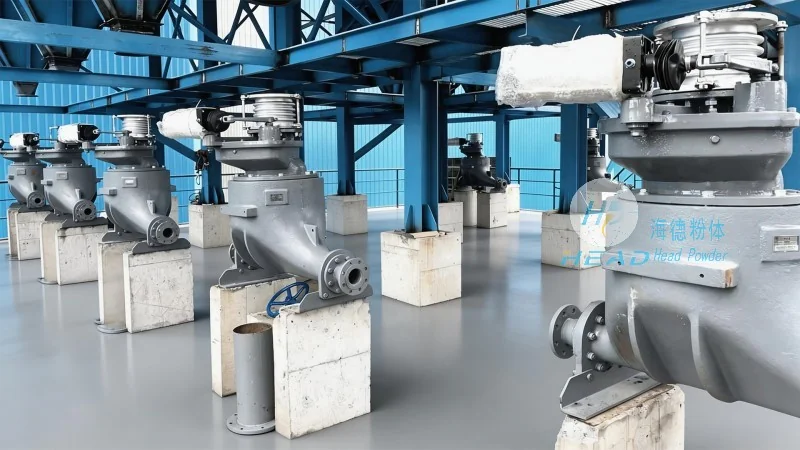
Advantages of Pneumatic Conveying for Soybean Grain
Compared to traditional conveying methods, pneumatic systems provide several advantages for soybean grain handling. These include improved hygiene due to the closed system, reduced labor costs as the process is automated, and enhanced safety by minimizing human exposure to dust and moving parts. Furthermore, the flexibility of pneumatic systems allows for easy integration with existing processing lines, making it a cost-effective solution for upgrading or expanding soybean grain handling operations. HeadPowder's commitment to quality and innovation ensures that their pneumatic conveying systems are tailored to meet the specific needs of soybean grain producers, offering reliable and efficient material transport solutions.
Conclusion
In summary, pneumatic conveying systems represent a highly effective and efficient method for transporting soybean grain, leveraging the principles of air movement to achieve seamless material handling. With its closed system design, gentle material handling, and flexibility, this technology is increasingly adopted by soybean processing facilities. HeadPowder, with its strong presence in Shandong, China, continues to lead in providing advanced pneumatic conveying solutions that enhance the productivity and quality of soybean grain handling operations worldwide.




