Carbon black powder, a critical material in various industrial applications, requires efficient and reliable conveying systems to ensure smooth production processes. The choice of conveying method significantly impacts operational efficiency, material integrity, and overall cost-effectiveness. Among the various options available, pneumatic conveying stands out as a preferred solution for many industries due to its unique advantages and adaptability. This article explores the different carbon black powder conveying methods and highlights the key benefits and characteristics of pneumatic conveying, with a focus on the expertise of Shandong HeadPowder Engineering Co., Ltd., a leading provider in the field.
Common Conveying Methods for Carbon Black Powder
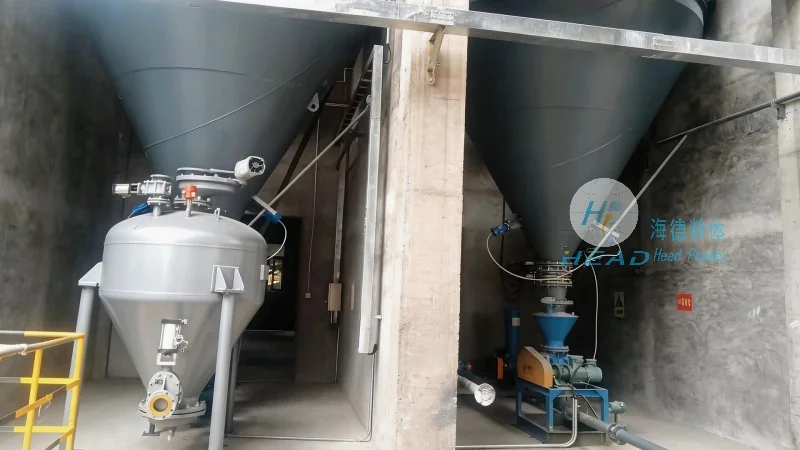
Before delving into the specifics of pneumatic conveying, it is essential to understand the primary methods used for carbon black powder transport. Traditional mechanical conveying systems, such as screw conveyors, belt conveyors, and bucket elevators, have been widely utilized. However, these methods often face challenges when dealing with fine powders like carbon black, including issues like material buildup, blockages, and contamination. In contrast, pneumatic conveying offers a more flexible and effective approach, especially for high-volume and long-distance transport. The main types of pneumatic conveying systems include pressure, vacuum, and mixed systems, each with distinct applications and performance characteristics.
Advantages of Pneumatic Conveying for Carbon Black Powder
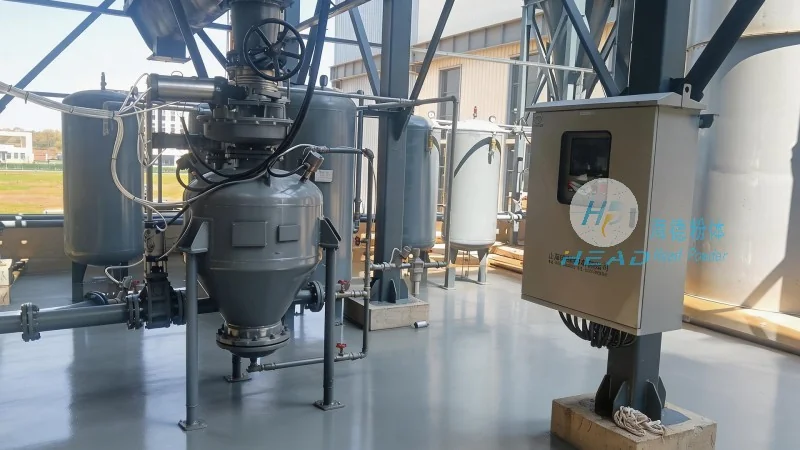
Pneumatic conveying provides several advantages that make it an ideal choice for carbon black powder handling. One of the most significant benefits is the ability to transport materials in a closed system, which minimizes dust emissions and ensures a clean working environment. This is particularly important in industries where air quality regulations are stringent and product purity is paramount. Additionally, pneumatic systems allow for the integration of multiple process steps, such as blending, drying, and packaging, into a single, continuous operation, enhancing overall productivity. The flexibility of pneumatic conveying also enables the transport of carbon black powder over long distances without the need for intermediate storage or transfer points, reducing the risk of material degradation and loss.
Key Features of Pneumatic Conveying Systems
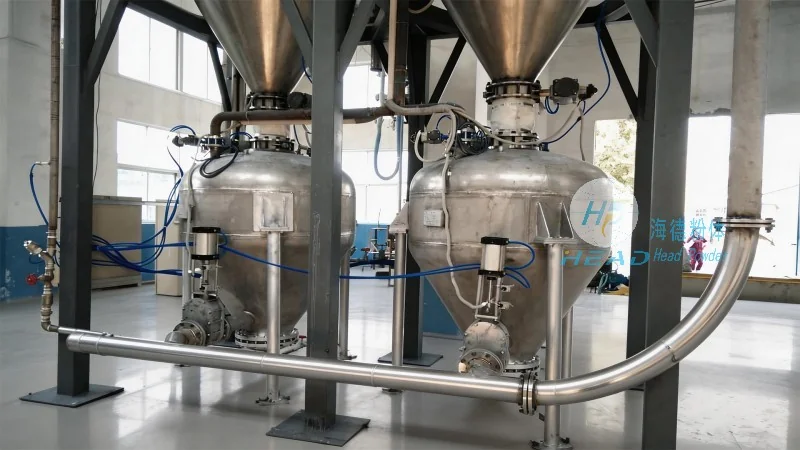
The effectiveness of pneumatic conveying systems for carbon black powder depends on several key features. First, the design of the system must consider the particle size, density, and flow characteristics of the material. Carbon black particles are typically fine and can be prone to agglomeration, which can affect the conveying efficiency. Therefore, systems often incorporate features like air classifiers, cyclones, and vibrating screens to maintain particle integrity and prevent blockages. Second, the choice of air velocity and pressure is critical. Proper air velocity ensures that the powder is fully suspended and transported without excessive energy consumption. High-pressure systems are suitable for long-distance transport, while low-pressure systems are ideal for short distances or when handling sensitive materials. Third, the system's material of construction is important to prevent corrosion or contamination. Carbon black can be acidic or abrasive, so materials like stainless steel or special alloys are commonly used to ensure durability and product purity.
Applications of Pneumatic Conveying in Carbon Black Processing
Shandong HeadPowder Engineering Co., Ltd. specializes in designing and manufacturing customized pneumatic conveying systems tailored to the specific needs of carbon black processing facilities. These systems are widely used in applications such as raw material handling, intermediate storage, and product transfer. For example, in a carbon black production plant, a pneumatic system can be used to transport raw carbon black from storage silos to the processing units, ensuring a continuous and uninterrupted supply. Similarly, in the final packaging stage, pneumatic conveying can be employed to transfer finished carbon black products into packaging bags or containers, maintaining product quality and preventing contamination. The adaptability of these systems allows them to be integrated into existing production lines or used as standalone solutions, depending on the specific requirements of the facility.
Conclusion and Company Overview
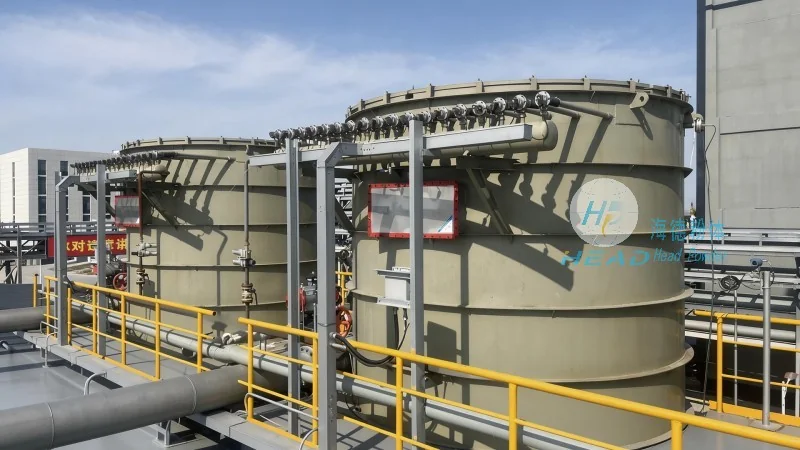
In conclusion, pneumatic conveying is a highly effective method for transporting carbon black powder, offering numerous advantages over traditional mechanical systems. The closed system design, flexibility, and ability to handle fine powders make it a preferred choice for many industries. Shandong HeadPowder Engineering Co., Ltd., with its headquarters in Shandong, China, has extensive experience in designing and implementing advanced pneumatic conveying solutions for carbon black processing. By leveraging their expertise in material handling and process engineering, the company ensures that their systems meet the highest standards of efficiency, reliability, and product quality. Whether for new installations or system upgrades, Shandong HeadPowder Engineering Co., Ltd. provides comprehensive solutions that enhance the overall performance of carbon black processing operations.




