Phosphate iron lithium (LFP) batteries are widely used in various applications due to their high safety, long cycle life, and stable performance. The transportation of LFP battery materials and finished products requires efficient and reliable methods to ensure product quality and safety. This article provides a detailed comparison of common LFP transport methods, analyzing their advantages and disadvantages to help users choose the most suitable option.
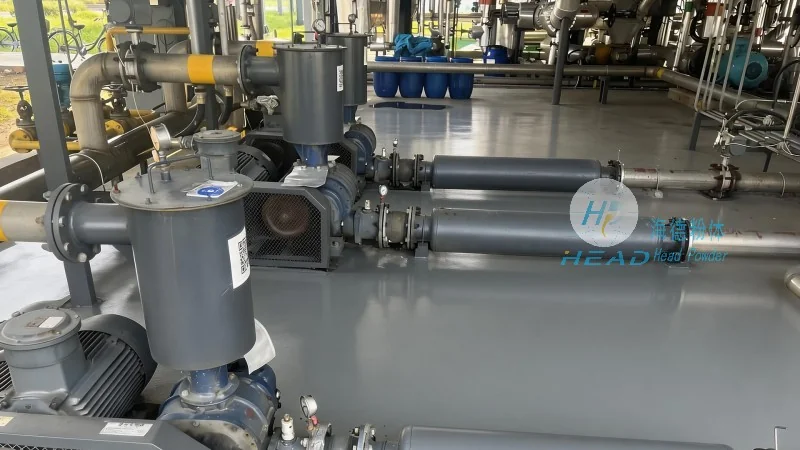
Introduction to Phosphate Iron Lithium Transport
Phosphate iron lithium batteries are composed of lithium iron phosphate as the cathode material, and their production and application involve multiple stages, including material processing, cell manufacturing, and product delivery. The transport of LFP materials and finished batteries is a critical link that directly affects production efficiency and product quality. Common transport methods include road transport, rail transport, and specialized battery transport vehicles. Each method has its own characteristics and is suitable for different scenarios.
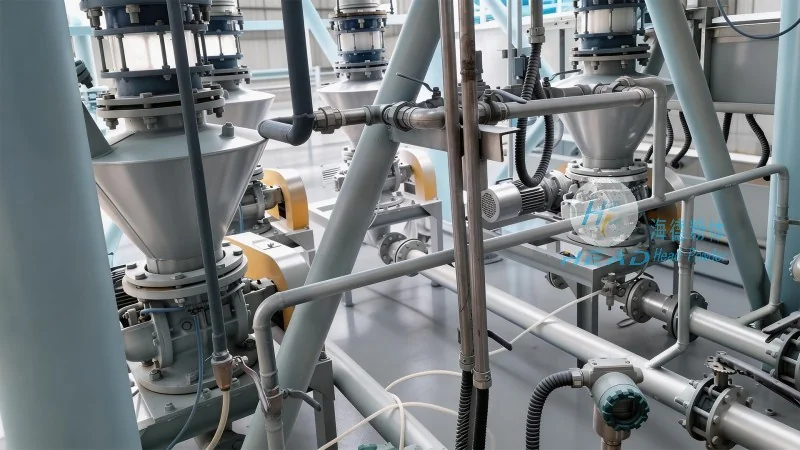
1. Road Transport: Flexibility and Versatility
Road transport is the most common and flexible method for transporting LFP batteries and related materials. It can be used for short-distance and long-distance transportation, and can reach various locations, including factories, warehouses, and distribution centers. The advantages of road transport include high flexibility, short transit time, and the ability to transport a wide range of products. For example, using specialized trucks equipped with temperature control systems can ensure that LFP batteries are transported under appropriate temperature conditions, which is crucial for maintaining battery performance and safety. However, road transport also has some disadvantages, such as higher fuel costs, potential traffic congestion, and limited load capacity compared to other methods. Additionally, road transport may be affected by weather conditions, which can impact delivery time and product safety.
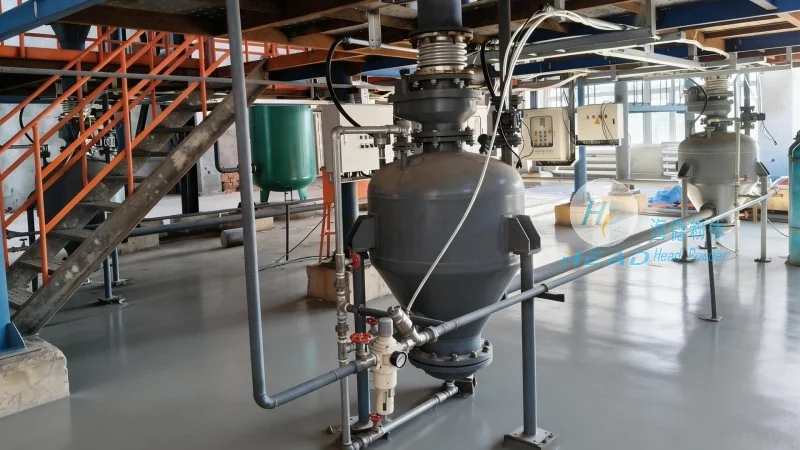
2. Rail Transport: Large Capacity and Energy Efficiency
Rail transport is an efficient and energy-saving method for transporting large quantities of LFP materials and finished products. It is particularly suitable for long-distance transportation between regions or provinces. The main advantages of rail transport are its large load capacity, low operating costs per unit, and stable operation. Rail transport can carry a large number of LFP batteries at once, reducing transportation costs and improving logistics efficiency. Moreover, rail transport is less affected by traffic congestion and weather conditions compared to road transport, ensuring more stable delivery. However, rail transport has some limitations, such as limited access to certain areas, longer loading and unloading times, and higher initial investment costs for rail infrastructure. For companies with large-scale production and distribution needs, rail transport can be a cost-effective solution.
3. Specialized Battery Transport Vehicles: Safety and Precision
Specialized battery transport vehicles are designed specifically for the safe and efficient transportation of LFP batteries and other high-value battery products. These vehicles are equipped with advanced safety features, such as temperature control systems, shock absorption devices, and secure packaging to prevent damage to the batteries during transport. The advantages of specialized battery transport vehicles include enhanced safety, reduced risk of battery damage, and compliance with industry regulations. They are particularly suitable for transporting high-value LFP batteries, such as those used in electric vehicles and energy storage systems. However, specialized battery transport vehicles are more expensive to operate and maintain compared to general-purpose trucks, and their load capacity is generally lower. Additionally, the availability of these vehicles may be limited in some regions, which can affect transportation planning.
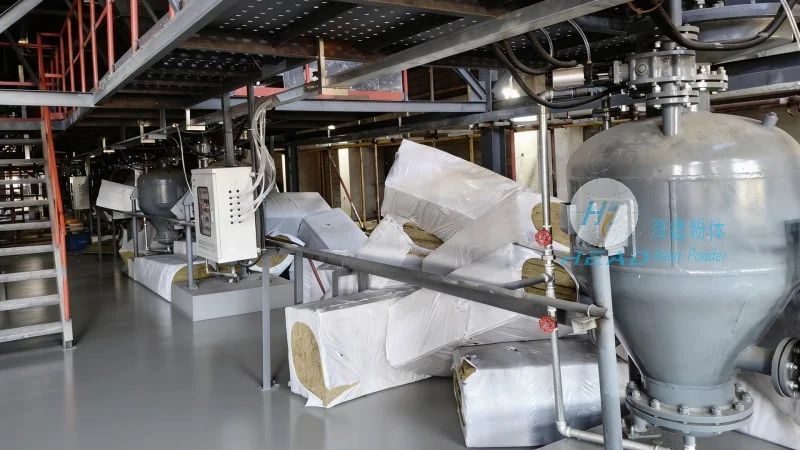
Company Profile: Shandong HeadPowder Engineering Co., Ltd.
Shandong HeadPowder Engineering Co., Ltd. is a professional manufacturer and supplier of LFP battery materials and related equipment. The company is located in Shandong, China, and has been committed to providing high-quality LFP battery products and services to customers worldwide. HeadPowder focuses on research and development, production, and sales of LFP battery materials, including raw materials, intermediates, and finished products. The company adheres to the principle of "quality first, customer first," and has established a complete quality management system to ensure product quality and safety. HeadPowder's products are widely used in the production of LFP batteries for electric vehicles, energy storage systems, and other applications. The company provides customized solutions for customers based on their specific needs, and has won the trust and support of many customers with its reliable products and excellent service.




