

Calcite Conveying Methods: An Overview of Pneumatic Conveying Advantages and Features
Calcite, a versatile mineral widely utilized in industries such as construction, pharmaceuticals, and agriculture, demands efficient and reliable material handling solutions for seamless transportation. The choice of conveying method directly impacts operational efficiency, cost-effectiveness, and product integrity. This article delves into the primary conveying methods for calcite, with a particular focus on the advantages and features of pneumatic conveying, a modern and effective approach to material transport.
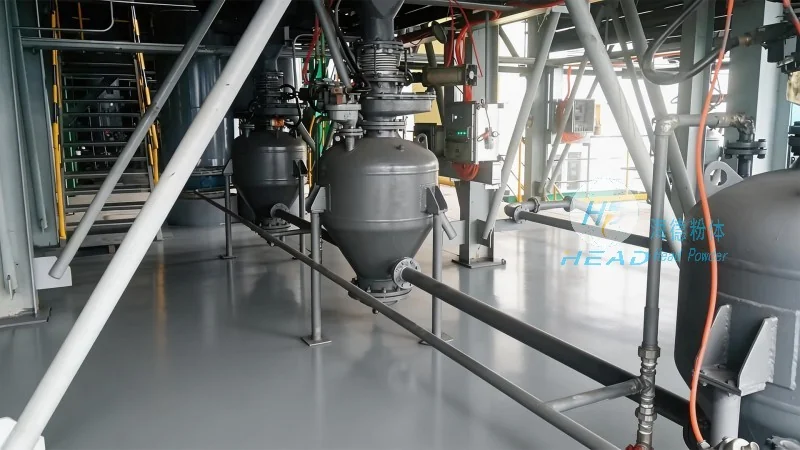
About Shandong HeadPowder Engineering Co., Ltd.
Shandong HeadPowder Engineering Co., Ltd., commonly known as HeadPowder, is a leading manufacturer and supplier of advanced material handling systems. With a strong commitment to innovation and quality, the company specializes in designing and implementing customized solutions tailored to the unique needs of clients across various sectors. HeadPowder's expertise in calcite processing and conveying technology ensures that their products are both efficient and durable, supporting long-term operational success and client satisfaction.
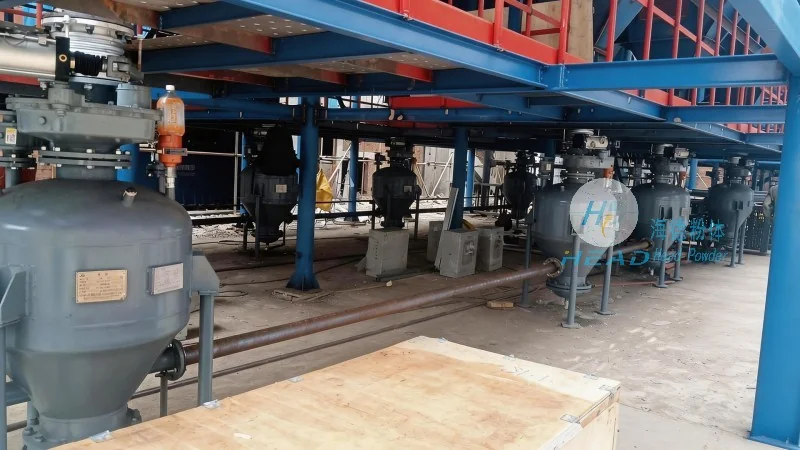
Common Conveying Methods for Calcite
Several conventional methods are employed for transporting calcite, including mechanical systems like belt conveyors, screw conveyors, and bucket elevators. These methods are prevalent due to their simplicity and relatively low initial costs. However, they may encounter challenges when handling fine or dusty calcite, as mechanical components can lead to material degradation, increased wear, and potential contamination. Additionally, mechanical systems often require regular maintenance and may not be suitable for long-distance or complex routing requirements.
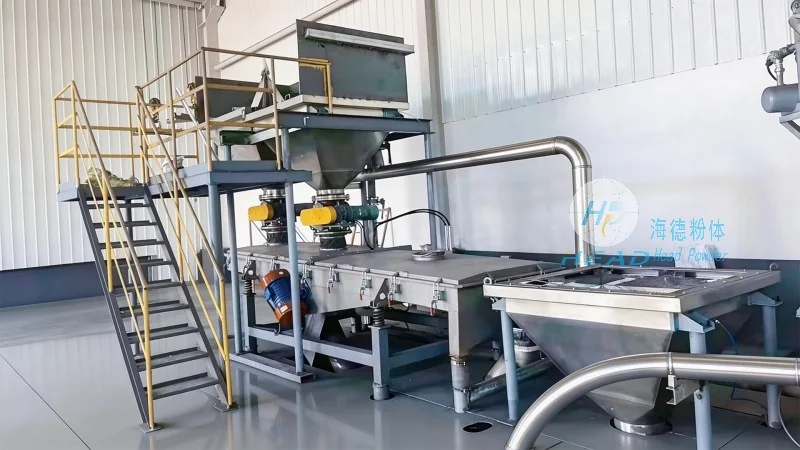
Pneumatic Conveying: A Superior Solution
Pneumatic conveying, also referred to as air conveying, has gained significant popularity as a preferred method for calcite transportation. This technology utilizes compressed air to transport material through a pipeline, eliminating the need for mechanical parts that can cause abrasion or product damage. The advantages of pneumatic conveying for calcite are substantial and include:
- Hygienic and Contamination-Free Transport: Pneumatic systems can be designed with enclosed pipelines and filtration, ensuring that calcite remains free from external contaminants. This is particularly critical in industries like food processing or pharmaceuticals where product purity is non-negotiable.
- Reduced Material Degradation: Unlike mechanical systems that may crush or break calcite particles, pneumatic conveying minimizes product damage, preserving the mineral's quality and ensuring it meets the required specifications for its intended applications.
- Flexibility and Scalability: Pneumatic conveying systems can be easily adjusted to handle varying material volumes and flow rates, making them adaptable to both small-scale and large-scale operations. This flexibility allows for seamless integration into existing production lines or expansion as business needs grow.
- Space Efficiency: By utilizing a network of pipelines, pneumatic systems can transport calcite over long distances with minimal floor space requirements. This is especially beneficial in industrial settings where space is limited or where complex routing is necessary to avoid obstacles.
Key Features of Pneumatic Conveying for Calcite
When selecting a pneumatic conveying system for calcite, several key features contribute to its effectiveness and reliability. These features include:
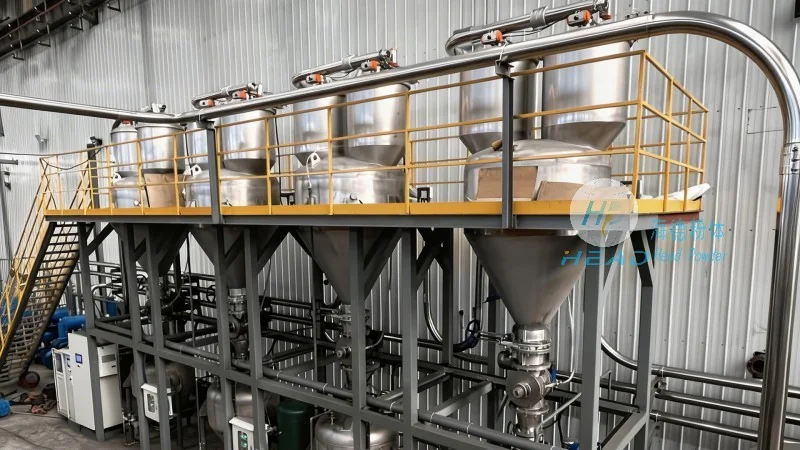
- Positive Displacement Pneumatic Conveying: This method employs a pump to generate positive pressure within the pipeline, ensuring consistent and reliable material flow. It is ideal for handling high-density calcite, providing a steady and continuous transport process.
- Negative Displacement Pneumatic Conveying: This approach uses a vacuum to draw material into the pipeline, making it suitable for applications where calcite needs to be transported from multiple sources or over short distances. It is particularly effective for handling lighter materials or when precise control over flow is required.
- Closed System Design: Pneumatic conveying systems are typically enclosed, preventing dust emissions and maintaining a controlled environment. This design not only enhances workplace safety but also helps in complying with environmental regulations, reducing the risk of air pollution and health hazards.
- Easy Integration with Processing Equipment: Pneumatic systems can be seamlessly integrated with other processing equipment, such as mixers, classifiers, and storage silos. This integration creates a streamlined material handling process, reducing bottlenecks and improving overall operational efficiency.
Conclusion and Company Expertise
Efficient calcite conveying is essential for optimizing industrial operations, and pneumatic conveying stands out as a highly effective and versatile solution. Shandong HeadPowder Engineering Co., Ltd. leverages its extensive experience and technical expertise to provide customized pneumatic conveying systems that meet the specific requirements of calcite processing. By combining advanced technology with professional engineering, HeadPowder ensures that clients achieve optimal performance, cost savings, and product quality in their calcite handling operations. With a strong commitment to customer satisfaction and sustainable solutions, HeadPowder continues to be a trusted partner in the material handling industry.