Rubber granules are widely used in various industrial applications, from construction materials to automotive parts. The efficient and reliable transportation of these granules is crucial for maintaining production efficiency and product quality. There are several methods available for conveying rubber granules, each with its own set of advantages and limitations. This article will explore the different types of rubber granule conveying methods, with a particular focus on the benefits and characteristics of pneumatic conveying systems.
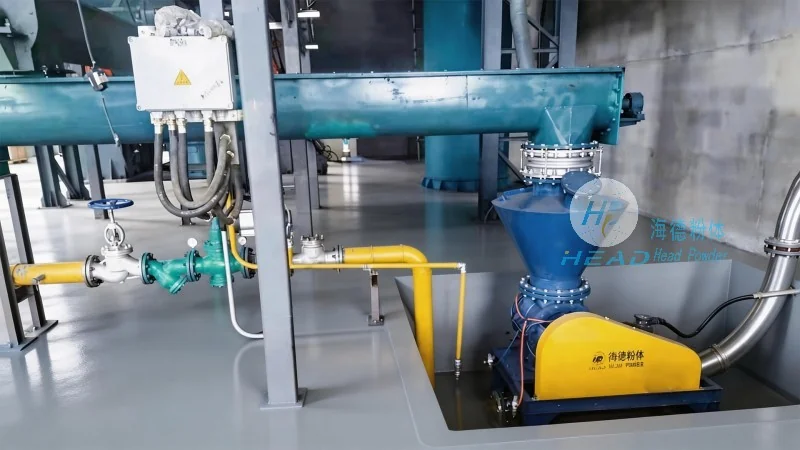
Common Conveying Methods for Rubber Granules
Traditional methods for transporting rubber granules include belt conveyors, screw conveyors, and bucket elevators. Belt conveyors are widely used due to their simplicity and low cost, making them suitable for short to medium distance transport. However, they may experience issues with material spillage and require regular maintenance to prevent belt wear. Screw conveyors are another common option, especially for vertical or inclined transport. They are effective for handling dry materials but can be less efficient with sticky or abrasive rubber granules, leading to increased wear on the screw and housing.
Pneumatic Conveying: An Advanced Solution
Pneumatic conveying, also known as air conveying, is a method that uses air pressure to move rubber granules through a pipeline. This technology offers several advantages over traditional mechanical systems. One of the key benefits is the ability to transport materials in a closed system, which helps to contain dust and prevent contamination. Pneumatic systems are also highly flexible, allowing for changes in the layout of the conveying line without major modifications. Additionally, they can handle a wide range of material sizes and shapes, including irregularly shaped rubber granules.
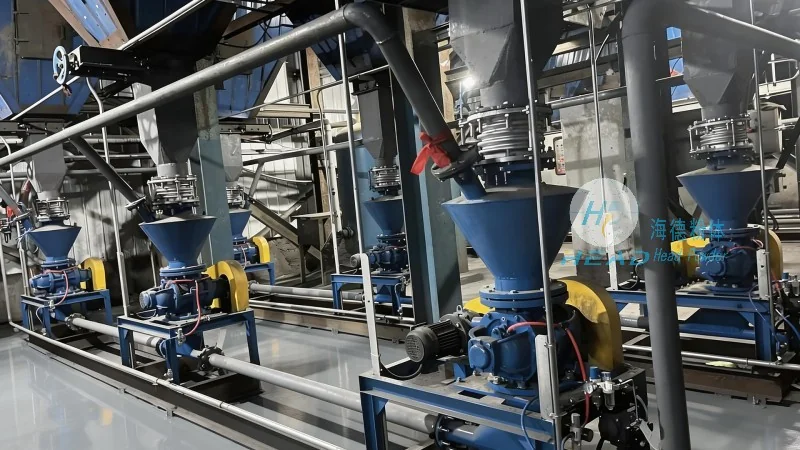
Advantages of Pneumatic Conveying for Rubber Granules
When considering the advantages of pneumatic conveying for rubber granules, several key factors stand out. First, the system provides a clean and hygienic transport environment, which is essential for applications where product purity is critical. Unlike mechanical conveyors that may cause material degradation or contamination, pneumatic systems minimize these risks. Second, the energy efficiency of pneumatic conveying can be optimized through the use of appropriate air pressure and flow rates. This results in lower operational costs compared to other methods that rely on mechanical components. Third, the system's ability to handle vertical and horizontal transport in a single line reduces the need for multiple pieces of equipment, simplifying the overall process and improving space utilization.
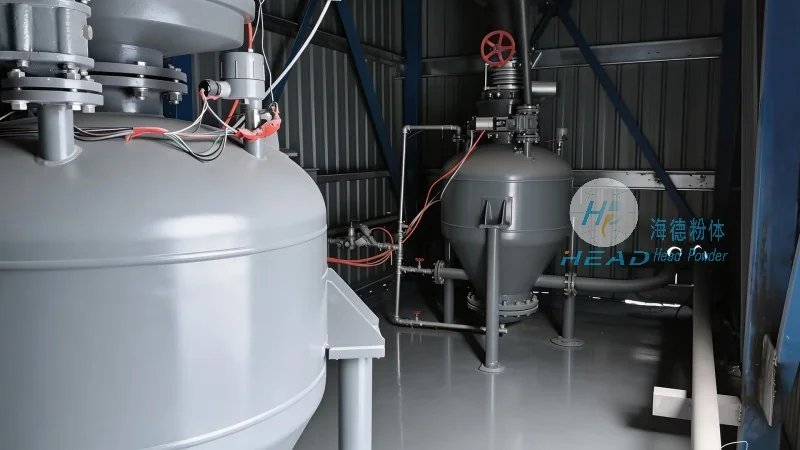
Key Features of Pneumatic Conveying Systems
Modern pneumatic conveying systems for rubber granules are equipped with several features that enhance their performance and reliability. One important feature is the use of positive displacement blowers or rotary lobe pumps, which provide consistent air pressure and flow. These components ensure smooth material transport and prevent blockages in the pipeline. Another feature is the inclusion of filtration and separation systems, which help to remove dust and other impurities from the air, improving the overall cleanliness of the system. Additionally, many systems incorporate control panels with monitoring and alarm functions, allowing for real-time tracking of the conveying process and quick response to any issues that may arise.
Applications and Use Cases
The versatility of pneumatic conveying makes it suitable for a wide range of applications involving rubber granules. In the construction industry, for example, rubber granules are used in the production of rubberized asphalt and playground surfaces. Pneumatic systems are ideal for transporting these materials from storage to processing facilities, ensuring a consistent supply without the risk of material degradation. In the automotive sector, rubber granules are used in the manufacturing of tires and seals. The ability of pneumatic systems to handle large volumes of material efficiently supports the high production demands of this industry. Furthermore, in the recycling sector, where rubber granules are recovered from waste tires, pneumatic conveying is used to transport the granules from sorting and processing stages to storage or further processing.




