HeadPowder, a leading provider in the field of material handling solutions, specializes in the design, manufacturing, and implementation of efficient pneumatic conveying systems. This article provides an overview of the powdered talc pneumatic conveying process and explains the fundamental principles behind the operation of such systems.

Understanding Powdered Talc and Its Handling Requirements
Powdered talc is a soft, white mineral powder commonly used in various industries, including cosmetics, pharmaceuticals, and ceramics. Due to its fine particle size and light density, talc powder presents unique challenges when it comes to transportation and storage. Traditional methods such as bucket elevators or belt conveyors may not be suitable for handling talc powder efficiently, as they can cause dust accumulation, product degradation, or equipment wear. Pneumatic conveying offers a more effective solution by utilizing air to transport the powder through a closed system, minimizing environmental impact and ensuring product integrity.
The Core Components of a Pneumatic Conveying System
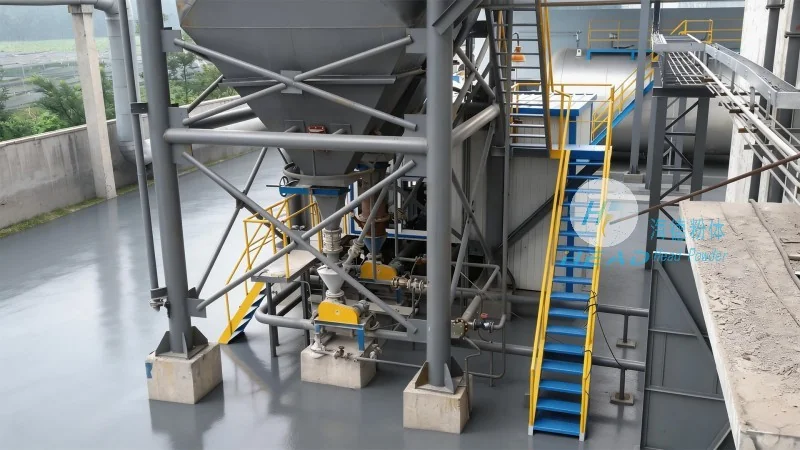
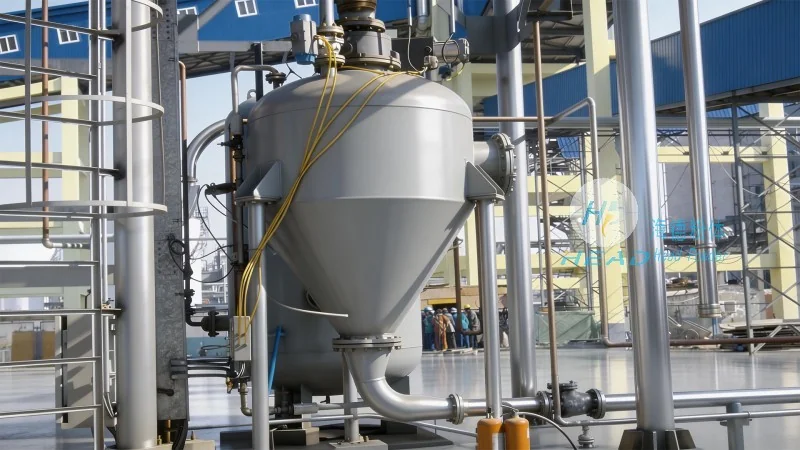
A typical pneumatic conveying system consists of several key components that work in tandem to move powdered talc from the source to the destination. These components include the material feed hopper, the air compressor or blower, the conveying line (usually made of stainless steel or other corrosion-resistant materials), and the discharge device. The feed hopper is designed to hold the talc powder and control the flow rate into the system. The air compressor generates the necessary pressure or vacuum to move the powder through the line. The conveying line is where the powder is suspended and transported by the air stream. Finally, the discharge device, such as a rotary valve or a venturi, regulates the release of the talc powder at the receiving end.
How Pneumatic Conveying Works: The Working Principle
The working principle of a pneumatic conveying system for powdered talc involves the creation of a flow of air that carries the powder particles. There are two main types of pneumatic conveying: pressure and vacuum. In a pressure system, the air compressor pushes air into the conveying line, creating positive pressure that propels the powder forward. The powder is suspended in the air stream and moves through the line until it reaches the discharge point. In a vacuum system, a vacuum pump creates a negative pressure that draws the powder from the source into the line. Both systems rely on the principle of fluidization, where the air flow is sufficient to keep the powder particles suspended and prevent them from settling or clogging the line.
Benefits of Using Pneumatic Conveying for Talc Powder
Implementing a pneumatic conveying system for powdered talc offers numerous advantages over traditional handling methods. First, it provides a dust-free environment, which is crucial for maintaining product quality and ensuring workplace safety. The closed system prevents talc particles from escaping into the air, reducing the risk of inhalation or contamination. Second, pneumatic conveying minimizes product degradation by avoiding direct contact with equipment surfaces or exposure to ambient conditions. The gentle handling of the powder preserves its texture and properties, which is particularly important for applications in the cosmetics and pharmaceutical industries. Third, the system is highly efficient in terms of energy consumption and operational costs. By using compressed air as the primary medium, the conveying process is faster and more reliable compared to mechanical systems. Additionally, the system can be easily scaled to accommodate varying production volumes, making it suitable for both small-scale and large-scale operations.
Applications of Powdered Talc Pneumatic Conveying
Powdered talc pneumatic conveying systems are widely used in various industrial applications. In the cosmetics industry, talc is used as a filler in powders, creams, and lotions. The pneumatic conveying system ensures that the talc powder is delivered to production lines without any contamination or loss. In the pharmaceutical industry, talc is used as an excipient in tablets and capsules. The system maintains the purity of the talc powder, which is essential for meeting regulatory standards. In the ceramics industry, talc is used as a raw material in the production of ceramics and pottery. The efficient conveying of talc powder to the production facilities improves the overall manufacturing process and reduces downtime. Other applications include the use of talc in the paper industry as a coating material and in the rubber industry as a processing aid.
Choosing the Right Pneumatic Conveying System for Talc Powder
When selecting a pneumatic conveying system for powdered talc, several factors need to be considered to ensure optimal performance and efficiency. The first factor is the particle size and density of the talc powder. Different systems are designed to handle specific particle sizes, and choosing the wrong system can lead to clogging or reduced conveying efficiency. The second factor is the distance and elevation change between the source and the destination. The system must be capable of handling the required pressure or vacuum levels to overcome the distance and elevation. The third factor is the production volume and flow rate requirements. The system should be able to handle the desired throughput without compromising the quality of the powder. Additionally, the material of construction is important, as talc is a corrosive material in some applications. Stainless steel or other corrosion-resistant materials are recommended to prevent equipment degradation over time.
Conclusion
HeadPowder Engineering Co., Ltd., based in Shandong, China, specializes in providing customized pneumatic conveying solutions for powdered talc and other fine materials. By understanding the unique properties of talc powder and the principles of pneumatic conveying, HeadPowder designs and implements efficient systems that meet the specific needs of its clients. The company's expertise in material handling ensures that the powdered talc is transported safely, efficiently, and with minimal environmental impact. Whether for cosmetics, pharmaceuticals, ceramics, or other industries, the pneumatic conveying system is a reliable and effective solution for handling talc powder. HeadPowder continues to innovate and improve its systems to provide the best possible service to its customers, ensuring that the powdered talc is delivered in the highest quality and with the utmost care.




