Bulk material handling is a critical aspect of many industrial processes, and selecting the right conveying method can significantly impact efficiency, cost, and product quality. For dry materials, various conveying systems are available, each with its own set of advantages and limitations. This article explores different bulk material conveying methods and highlights the key benefits of pneumatic conveying, a popular choice for transporting dry powders and granules.
Common Conveying Methods for Dry Materials
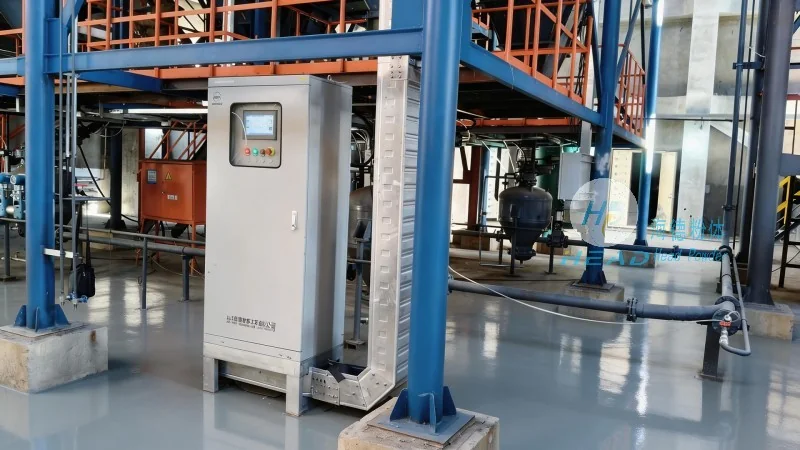
Before delving into the specifics of pneumatic conveying, it's essential to understand the primary methods used for transporting dry bulk materials. Traditional approaches include gravity flow, mechanical systems like belt conveyors and screw conveyors, and hydraulic systems. Each of these methods has its place in certain applications, but they often face challenges when dealing with fine powders or materials that are prone to dust or segregation.
Pneumatic Conveying: How It Works and Its Core Advantages
Pneumatic conveying uses compressed air or other gases to transport dry materials through a pipeline. This method is particularly effective for materials that are difficult to handle with mechanical systems, such as fine powders, abrasive materials, or those that are sensitive to moisture. The key advantages of pneumatic conveying for dry materials include:
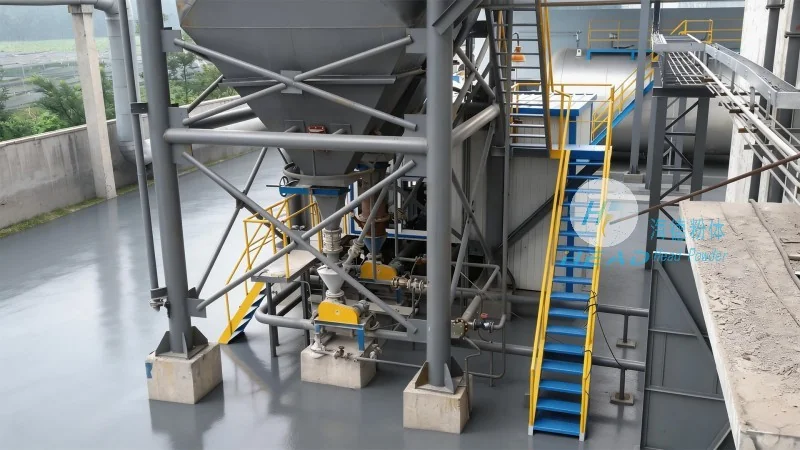
- Flexibility and Versatility: Pneumatic systems can be easily adapted to different layouts and can transport materials over long distances or through complex routes, including vertical lifts and horizontal curves.
- Reduced Product Contamination: Unlike mechanical systems that may cause friction or abrasion, pneumatic conveying minimizes product degradation and contamination, preserving the quality of sensitive materials.
- Efficient Dust Control: The enclosed pipeline design of pneumatic systems effectively contains dust, reducing the risk of airborne contamination and improving workplace safety.
- Low Maintenance Requirements: Compared to mechanical systems with moving parts, pneumatic conveying systems have fewer components that require regular maintenance, leading to lower operational costs over time.
- Energy Efficiency: Modern pneumatic conveying systems are designed to optimize air usage, making them more energy-efficient than some traditional methods, especially for short to medium distance applications.
HeadPowder's Pneumatic Conveying Solutions for Dry Materials
Shandong HeadPowder Engineering Co., Ltd. specializes in providing advanced pneumatic conveying systems tailored to the unique needs of various industries. With a focus on innovation and reliability, HeadPowder offers customized solutions that address the specific challenges of dry material handling. The company's expertise lies in designing systems that ensure efficient, safe, and cost-effective transportation of bulk materials.
Applications of Pneumatic Conveying in Different Industries
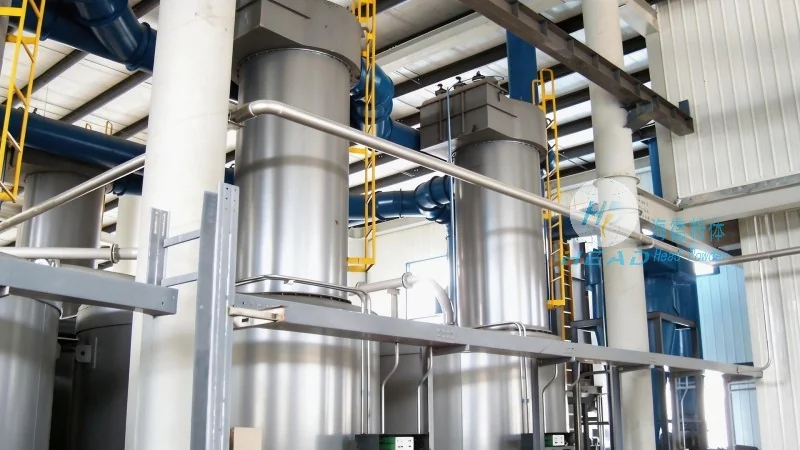
Pneumatic conveying is widely used across multiple sectors, including pharmaceuticals, food processing, chemical manufacturing, and mining. In the pharmaceutical industry, for example, the hygienic design of pneumatic systems ensures that powders are handled in a sterile environment, meeting stringent regulatory requirements. In food processing, the enclosed system prevents cross-contamination and maintains product freshness. Chemical manufacturers benefit from the ability to handle abrasive and corrosive materials without damaging the equipment or the product.
Conclusion: Choosing the Right Conveying Method for Dry Materials
When selecting a bulk material conveying method for dry materials, it's crucial to consider factors such as material properties, distance, and operational requirements. While traditional methods have their uses, pneumatic conveying often provides a superior solution for many applications. By leveraging the advantages of pneumatic systems, industries can improve efficiency, reduce costs, and enhance product quality. As a leader in the field, Shandong HeadPowder Engineering Co., Ltd. continues to develop cutting-edge pneumatic conveying solutions that meet the evolving needs of modern industrial processes.




