When it comes to the handling and transportation of artificial graphite, selecting the right conveying method is crucial for optimizing operational efficiency, ensuring material integrity, and minimizing downtime. Artificial graphite, with its unique properties such as high thermal conductivity, chemical resistance, and lubricity, is widely used in various industrial applications, including battery manufacturing, refractory production, and chemical processing. However, due to its brittle nature and potential for dust generation, the choice of conveying system requires careful consideration. This article provides a detailed comparison of common artificial graphite conveying methods, highlighting their advantages and disadvantages to help industrial professionals make informed decisions.
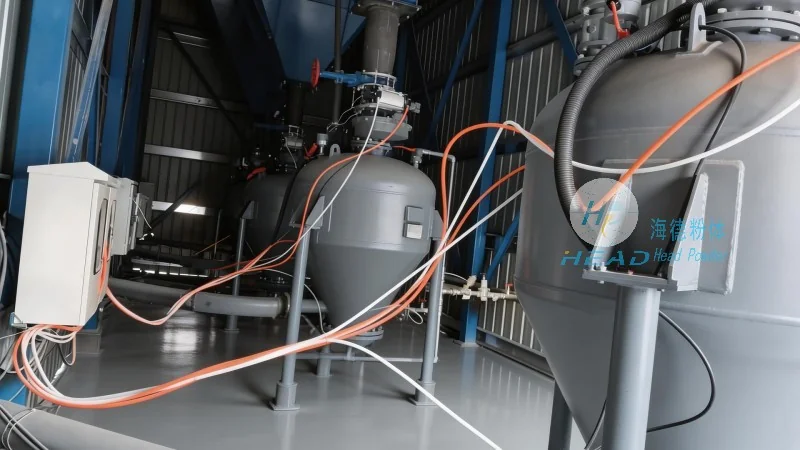
Overview of Artificial Graphite and Conveying Challenges
Artificial graphite is a synthetic material produced through the carbonization and graphitization of carbonaceous materials like petroleum coke or pitch coke. It is characterized by a high degree of crystallinity, which contributes to its excellent electrical and thermal conductivity. In industrial settings, artificial graphite is often handled in bulk form, requiring reliable and efficient conveying systems to move it from storage to processing equipment. The primary challenges in conveying artificial graphite include preventing material degradation, controlling dust emissions, maintaining product purity, and ensuring consistent flow rates. These challenges necessitate the use of specialized equipment and methods tailored to the material's properties.
Common Artificial Graphite Conveying Methods
Several methods are commonly employed for transporting artificial graphite, each with its own set of advantages and limitations. The selection of a conveying method depends on factors such as material characteristics, plant layout, production scale, and budget constraints. Below is a detailed analysis of the most prevalent artificial graphite conveying techniques.
1. Screw Conveyors (Auger Conveyors)
Screw conveyors, also known as auger conveyors, are one of the most widely used methods for transporting artificial graphite. These systems consist of a rotating helical screw blade enclosed within a U-shaped or cylindrical housing. The screw rotates, pushing the material forward along the conveyor. For artificial graphite, screw conveyors are particularly effective due to their ability to handle bulk materials with minimal segregation. The enclosed design helps contain dust and prevent material spillage, which is critical for maintaining product purity. One of the key advantages of screw conveyors is their simplicity and low maintenance requirements. They are relatively inexpensive to install and operate, making them a cost-effective solution for many industrial applications. Additionally, screw conveyors can be easily integrated into existing production lines, allowing for seamless material transfer from storage silos to processing equipment.
However, screw conveyors have several limitations when used with artificial graphite. The primary drawback is their susceptibility to material buildup and clogging, especially if the graphite is wet or contains foreign particles. This can lead to increased wear on the screw and housing, requiring more frequent maintenance. Another disadvantage is the potential for material degradation due to friction and compression. The rotating screw can cause the graphite particles to break or deform, reducing their quality and affecting downstream processes. Furthermore, screw conveyors are not suitable for high-volume or high-speed applications, as they may not maintain consistent flow rates under heavy loads. In such cases, alternative methods like pneumatic conveying may be more appropriate.
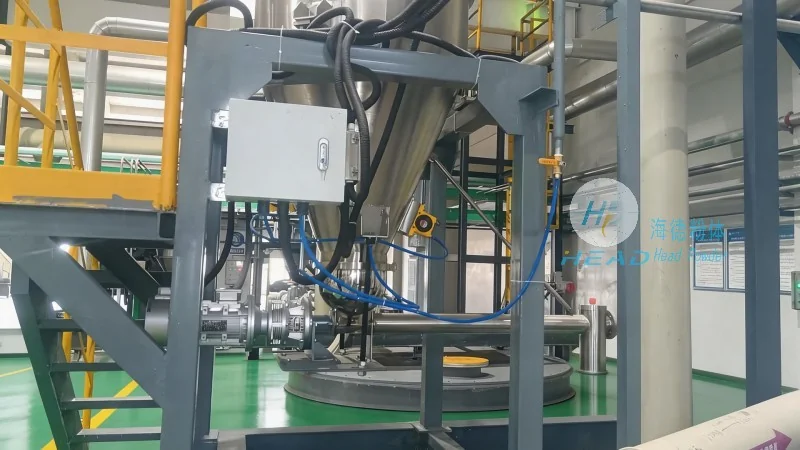
2. Pneumatic Conveying Systems
Pneumatic conveying systems use air or other gases to transport artificial graphite through a pipeline. This method is particularly effective for handling fine or dusty materials, as it can move the material without direct contact, minimizing degradation and contamination. Pneumatic conveying systems are available in two main configurations: pressure and vacuum. Pressure systems use compressed air to push the material forward, while vacuum systems use suction to draw the material into the pipeline. For artificial graphite, pressure systems are more commonly used due to their ability to handle larger particle sizes and higher material loads.
One of the significant advantages of pneumatic conveying is its ability to transport materials over long distances without the need for multiple transfer points. This makes it ideal for plants with complex layouts or multiple processing stages. The enclosed pipeline design also helps contain dust and prevent environmental contamination, which is a major concern in many industrial applications. Additionally, pneumatic conveying systems can be easily automated, allowing for precise control over material flow rates and timing. This automation enhances operational efficiency and reduces the risk of human error.
Despite these benefits, pneumatic conveying has several drawbacks that must be considered. The most significant limitation is the high energy consumption associated with operating the system. Compressing air or maintaining vacuum levels requires substantial power, which can increase operational costs. Another disadvantage is the potential for material degradation due to the high velocities and turbulence within the pipeline. The friction between particles and the pipeline walls can cause the graphite to break or lose its crystalline structure, affecting its performance in downstream applications. Furthermore, pneumatic conveying systems are more complex and expensive to install and maintain compared to other methods. They require specialized equipment such as air compressors, filters, and cyclones, which can increase the initial investment and maintenance overhead.
3. Belt Conveyors
Belt conveyors are another common method for transporting artificial graphite, especially in applications requiring high-volume material handling. These systems consist of a continuous belt that moves over rollers or idlers, transporting the material from one point to another. The belt can be made of various materials, including rubber or PVC, depending on the material being conveyed. For artificial graphite, rubber belts are often preferred due to their ability to handle abrasive materials without excessive wear.
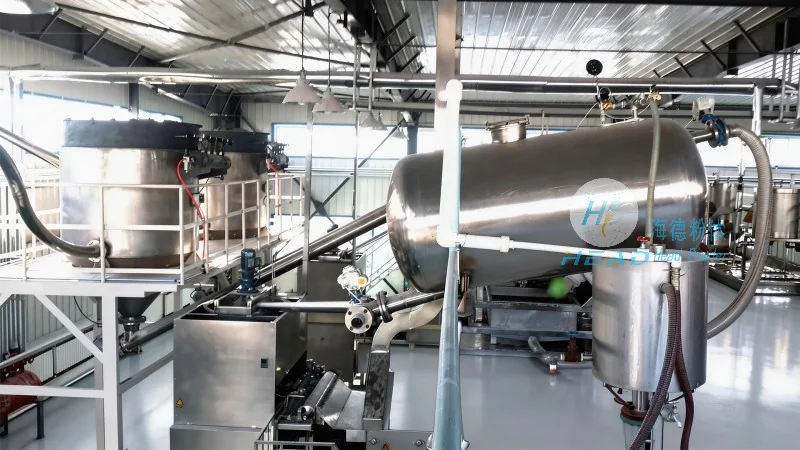
One of the primary advantages of belt conveyors is their high capacity and ability to transport materials over long distances. They can handle large quantities of artificial graphite efficiently, making them suitable for high-production plants. The open design of belt conveyors allows for easy inspection and maintenance, which can reduce downtime and increase operational reliability. Additionally, belt conveyors are relatively simple to operate and maintain, with fewer moving parts compared to other systems. This simplicity translates to lower maintenance costs and longer service life.
However, belt conveyors have several limitations when used with artificial graphite. The most significant drawback is their susceptibility to material spillage and dust generation. The open design allows particles to fall off the belt, leading to environmental contamination and loss of material. This is particularly problematic for artificial graphite, as it is a fine, dusty material that can easily become airborne. Another disadvantage is the potential for material degradation due to friction and impact. The belt and rollers can cause the graphite particles to break or deform, reducing their quality and affecting downstream processes. Furthermore, belt conveyors are not suitable for transporting materials with high moisture content or sticky properties, as these can cause the belt to slip or become clogged.
4. Bucket Elevators
Bucket elevators are vertical conveying systems that use a chain or belt with attached buckets to lift and transport artificial graphite from a lower to a higher level. These systems are commonly used in applications where vertical movement is required, such as moving material from a storage silo to a processing plant. The buckets are filled with material as they travel up the elevator, and then emptied at the top into a discharge chute.
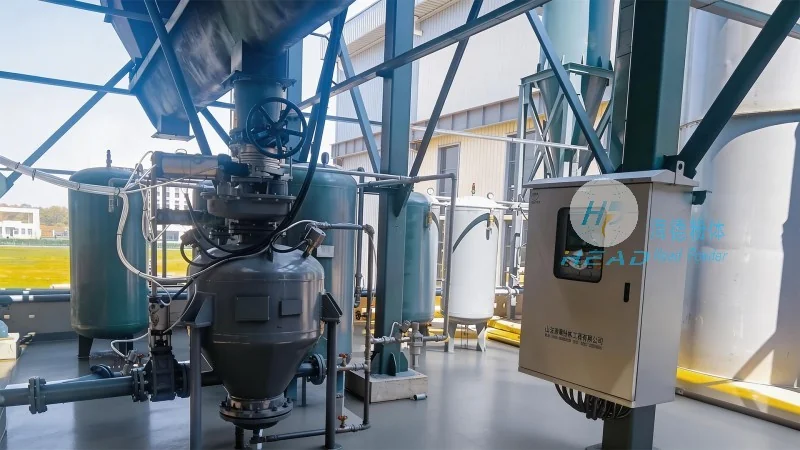
One of the key advantages of bucket elevators is their ability to handle vertical and inclined movements efficiently. They can transport materials over significant vertical distances without the need for multiple transfer points, which simplifies plant layout and reduces material handling complexity. The enclosed design of bucket elevators helps contain dust and prevent material spillage, maintaining product purity. Additionally, bucket elevators are relatively low maintenance and can handle high material loads, making them suitable for high-production environments.
However, bucket elevators have several limitations that must be considered. The primary drawback is their high initial cost and complexity. They require specialized equipment and installation, which can increase the overall investment. Another disadvantage is the potential for material degradation due to the high speeds and impacts involved in the lifting process. The buckets and chain can cause the graphite particles to break or deform, reducing their quality. Furthermore, bucket elevators are not suitable for handling fine or dusty materials, as these can easily escape from the buckets and cause environmental contamination. This makes them less suitable for artificial graphite compared to other methods.
5. Vibrating Conveyors
Vibrating conveyors use vibrations to move artificial graphite along a trough or conveyor bed. These systems consist of a conveyor bed that is connected to a vibrating mechanism, which causes the material to move forward due to the vibration. The frequency and amplitude of the vibration can be adjusted to control the flow rate and material movement.
One of the main advantages of vibrating conveyors is their ability to handle a wide range of materials, including those with high moisture content or sticky properties. The vibration helps prevent material buildup and clogging, ensuring consistent flow rates. Additionally, vibrating conveyors are relatively low maintenance and can be easily integrated into existing production lines. They are also suitable for transporting materials over long distances and at various angles, making them versatile for different plant layouts.




