Welcome to the official website of Shandong HeadPowder Engineering Co., Ltd., a leading provider of advanced pneumatic conveying solutions. Our company specializes in the design, manufacturing, and installation of efficient systems for transporting bulk materials, including riced starch and other fine powders. This article provides an overview of pneumatic conveying technology, focusing on its fundamental principles and practical applications in material handling.
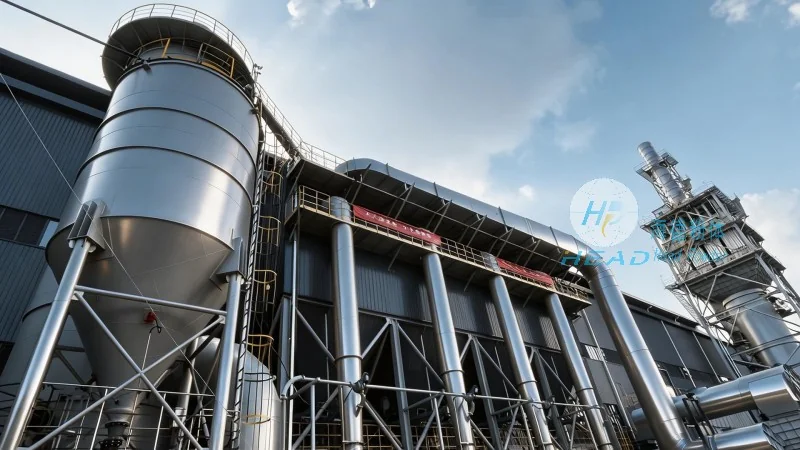
Understanding Pneumatic Conveying Systems
Pneumatic conveying systems are mechanical devices that use compressed air or other gases to transport bulk materials from one location to another. These systems are widely used in industries such as food processing, pharmaceuticals, and chemical manufacturing due to their ability to handle a variety of materials, including powders, granules, and even bulk solids. The core of a pneumatic conveying system is the air flow, which creates a pressure differential that propels the material through a pipeline network.
Key Components of a Pneumatic Conveying System
At the heart of any pneumatic conveying system are several critical components that work in tandem to ensure efficient material transport. These components include the air compressor, which generates the necessary pressure for conveying; the material feed hopper, which stores and feeds the bulk material into the system; the conveying line, which is typically made of stainless steel or other corrosion-resistant materials to accommodate different material types; and the control system, which regulates the air flow and material feed rate to maintain optimal performance.
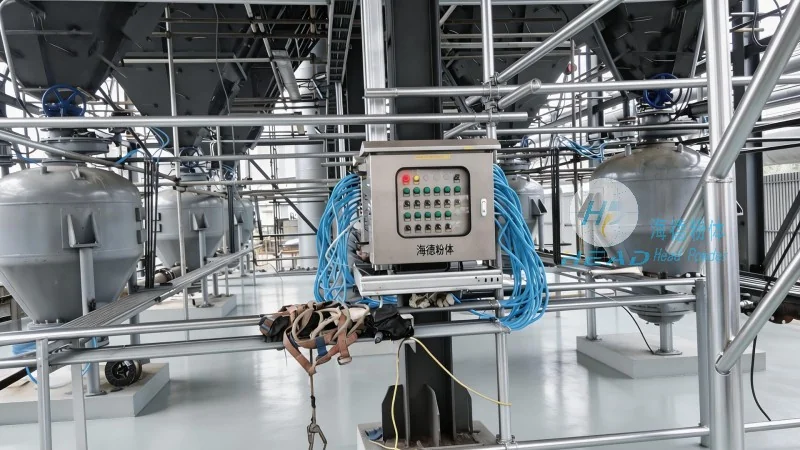
How Pneumatic Conveying Works: The Principle of Operation
The operation of a pneumatic conveying system is based on the principle of creating a low-pressure zone within the conveying line. This is achieved by introducing high-velocity air into the system, which reduces the pressure inside the pipe compared to the ambient pressure outside. As a result, the material is drawn into the pipe and carried along by the air stream. The system can operate in either positive or negative pressure modes, depending on the application requirements. Positive pressure systems push material through the line using compressed air, while negative pressure systems pull material from the source using a vacuum.
Applications in Riced Starch Processing
For industries dealing with riced starch, pneumatic conveying offers several advantages over traditional methods like belt conveyors or bucket elevators. The systems are gentle on the material, minimizing product degradation and maintaining consistent quality. They also provide a hygienic and enclosed environment, which is crucial for food-grade applications. Additionally, pneumatic conveying systems can be integrated with other processing equipment, such as mixers and dryers, to create a seamless production line.
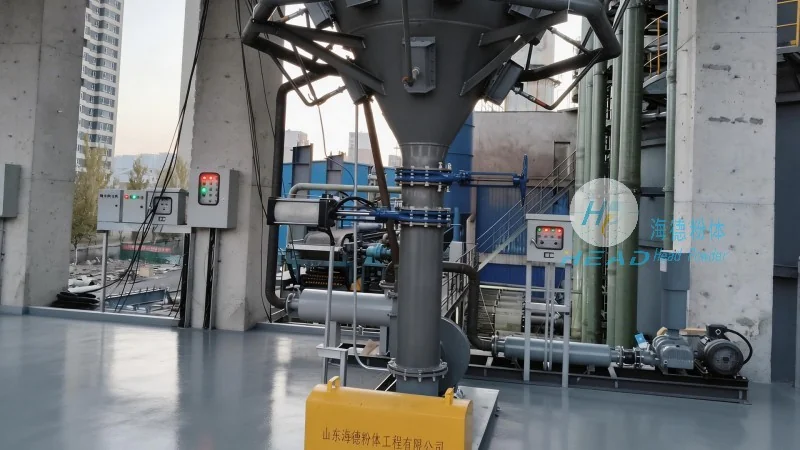
Advantages of Pneumatic Conveying for Riced Starch
When compared to other material handling methods, pneumatic conveying systems offer several key benefits for transporting riced starch. These include high efficiency in terms of material throughput, reduced labor costs due to automated operation, and lower maintenance requirements. The systems are also highly flexible, allowing for easy reconfiguration to accommodate changes in production volume or material types. Furthermore, they can handle materials with varying particle sizes and moisture content, making them suitable for a wide range of applications.
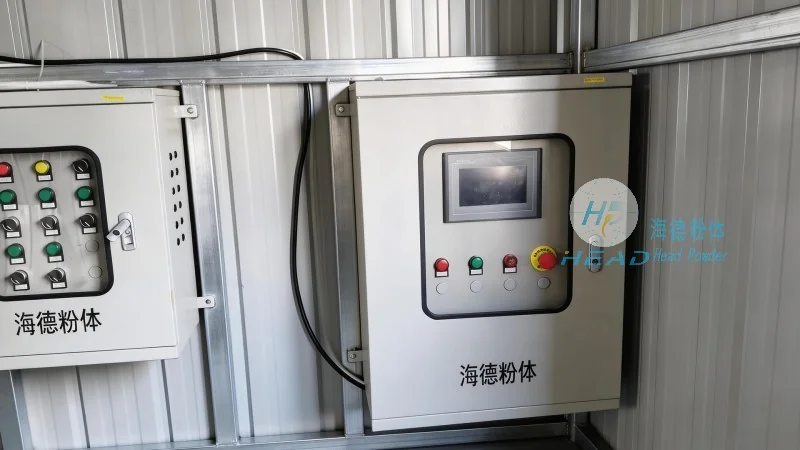
Customization and Scalability
Shandong HeadPowder Engineering Co., Ltd. understands that each industrial application has unique requirements. Therefore, our pneumatic conveying systems are designed to be customizable and scalable to meet the specific needs of our clients. Whether you need a small-scale system for laboratory use or a large-scale system for industrial production, we can provide tailored solutions that optimize performance and cost-effectiveness. Our team of engineers works closely with clients to assess their material handling challenges and develop the most suitable conveying system.
Conclusion
In conclusion, pneumatic conveying systems represent a sophisticated and efficient solution for transporting riced starch and other bulk materials. By leveraging the principles of air flow and pressure differential, these systems offer numerous advantages over traditional material handling methods. As a leading manufacturer in this field, Shandong HeadPowder Engineering Co., Ltd. is committed to providing high-quality, reliable pneumatic conveying solutions that meet the demands of modern industrial applications. Whether you are in the food processing, pharmaceutical, or chemical industry, our systems can help improve your production efficiency and product quality.




