Grass material conveying is a critical process in agricultural and industrial applications, involving the movement of grass, hay, or other forage materials from one location to another. The efficiency and effectiveness of this process depend heavily on the choice of conveying equipment. In this article, we will explore several common grass material conveying methods, analyzing their advantages and disadvantages to help you make an informed decision for your specific needs. We are HeadPowder Engineering, a leading provider of specialized conveying solutions based in Shandong, China.
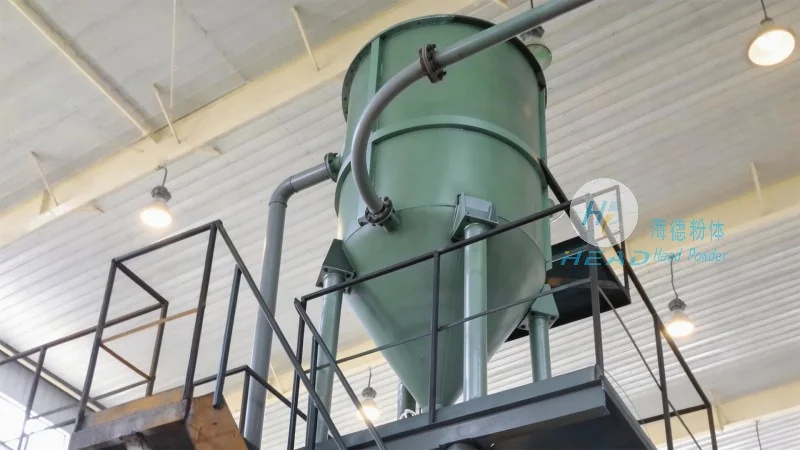
1. Screw Conveyor (Auger Conveyor)
A screw conveyor, also known as an auger conveyor, is a type of mechanical conveyor that uses a rotating helical screw to move materials. This method is widely used for conveying grass and other bulk materials due to its simplicity and reliability. The primary advantage of a screw conveyor is its ability to handle a wide range of materials, including wet or sticky grass, without the need for additional components. It operates with minimal maintenance and can be easily integrated into existing systems. However, screw conveyors have limitations in terms of material size and throughput. Large, irregularly shaped pieces of grass may cause blockages, and the conveyor's efficiency can decrease with increased material moisture content. Additionally, the screw mechanism can wear out over time, especially when handling abrasive materials. For applications requiring high-volume, continuous movement of grass, a screw conveyor may not be the most efficient choice, as it can experience reduced performance under heavy loads.
2. Belt Conveyor
A belt conveyor uses a continuous loop of material (usually rubber or synthetic) to transport grass and other bulk materials. This method is highly effective for long-distance conveying and can handle large volumes of material. The main advantage of a belt conveyor is its ability to transport materials over significant distances with minimal energy consumption. It is also relatively easy to install and maintain, as the belt can be replaced or repaired without major system downtime. However, belt conveyors have specific limitations when dealing with grass materials. The belt may slip or stretch when conveying wet or heavy grass, leading to inefficiencies. Additionally, the belt can accumulate debris or grass particles, requiring regular cleaning to prevent blockages. The initial cost of a belt conveyor is higher compared to other methods, and the system requires more space for installation. For applications where long-distance transport of grass is required, a belt conveyor offers a reliable solution, though it may need more maintenance than other options.
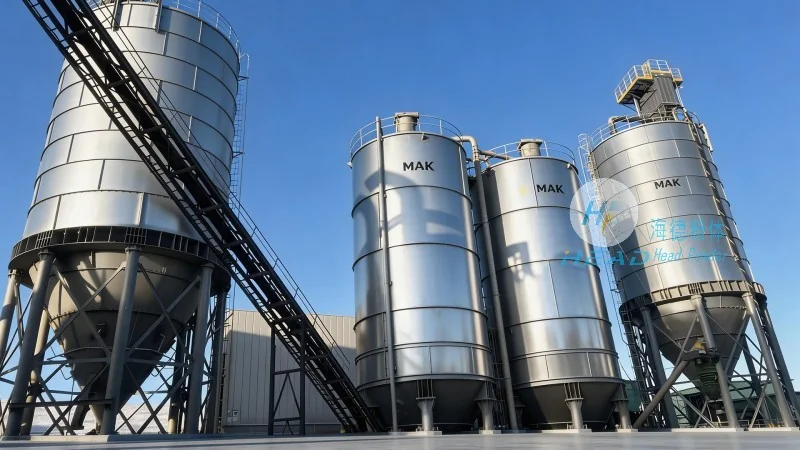
3. Pneumatic Conveying System
Pneumatic conveying systems use air pressure to transport grass and other materials through a pipeline. This method is ideal for conveying materials in a closed system, reducing dust and contamination. The primary advantage of pneumatic conveying is its ability to handle fine or powdery grass materials without the need for additional equipment. It can also transport materials over long distances with minimal loss of material quality. However, pneumatic conveying systems require high air pressure and can be energy-intensive, especially for long-distance or high-volume applications. The system is also susceptible to blockages if the material is too wet or contains large particles. Additionally, the initial investment and maintenance costs are higher compared to other methods, as it involves complex components like air compressors and filters. For applications where dust control and enclosed transport are critical, a pneumatic conveying system is a suitable choice, though it may not be cost-effective for low-volume or short-distance transport.
4. Hydraulic Conveying
Hydraulic conveying uses water or other fluids to transport grass materials through a pipeline. This method is commonly used in the transportation of wet or fibrous materials, such as grass silage. The main advantage of hydraulic conveying is its ability to handle wet or sticky grass without causing blockages. It can also transport materials over long distances with consistent flow rates. However, hydraulic systems require significant water usage and can be less efficient for dry grass materials. The system is also prone to corrosion and requires regular maintenance to prevent clogging. Additionally, the initial setup and operational costs are higher compared to other methods, as it involves pumps, valves, and filtration systems. For applications involving the transport of wet grass or silage, hydraulic conveying offers a reliable solution, though it may not be suitable for dry or low-moisture grass.
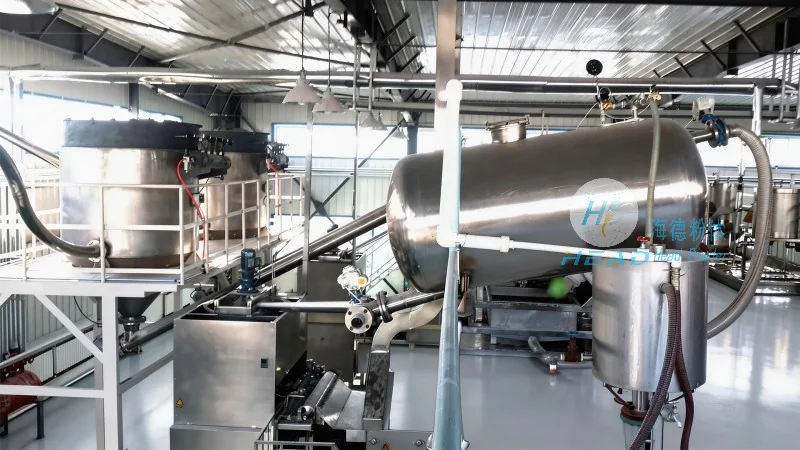
5. Chain and Flight Conveyors
Chain and flight conveyors use a series of flights attached to a chain to move grass materials. This method is suitable for conveying materials with varying sizes and shapes, including large pieces of grass. The primary advantage of this system is its ability to handle heavy or irregularly shaped grass without causing damage. It can also be designed to operate at high speeds, increasing throughput. However, chain and flight conveyors have higher maintenance requirements compared to other methods, as the chain and flights can wear out over time. The system is also more complex to install and may require more space. Additionally, the initial cost is higher, and the conveyor may experience inefficiencies when conveying wet or sticky grass. For applications where durability and the ability to handle irregular materials are important, a chain and flight conveyor is a viable option, though it may need more frequent maintenance.
Conclusion: Choosing the Right Conveying Method
When selecting a grass material conveying method, it is essential to consider factors such as material type, distance, volume, and environmental requirements. Each method has its own set of advantages and disadvantages, and the best choice depends on the specific application. HeadPowder Engineering specializes in providing customized conveying solutions tailored to meet the unique needs of our clients. With our expertise in various conveying technologies, we can help you choose the most efficient and cost-effective method for your grass material handling needs. Whether you need a screw conveyor for short-distance transport or a pneumatic system for long-distance, dust-free transport, our team at Shandong HeadPowder Engineering Co., Ltd. in Shandong, China, is ready to assist you in making the right decision.




