Comparison of Common Pyrolysis Carbon Conveying Methods: Advantages and Disadvantages
Release time:2026-09-10 18:42:30
name of the company:Shandong Headpowder Engineering Co., Ltd.
telephone:156-6277-7102
contacts:Zhang manager
Pyrolysis carbon, a valuable byproduct from the pyrolysis process, requires efficient and reliable conveying systems to move it from processing units to storage or further processing stages. The choice of conveying method significantly impacts operational efficiency, cost, and product quality. This article provides a detailed comparison of common pyrolysis carbon conveying methods, highlighting their advantages and disadvantages to assist industrial operators in selecting the most suitable option for their specific needs.
Pneumatic Conveying Systems
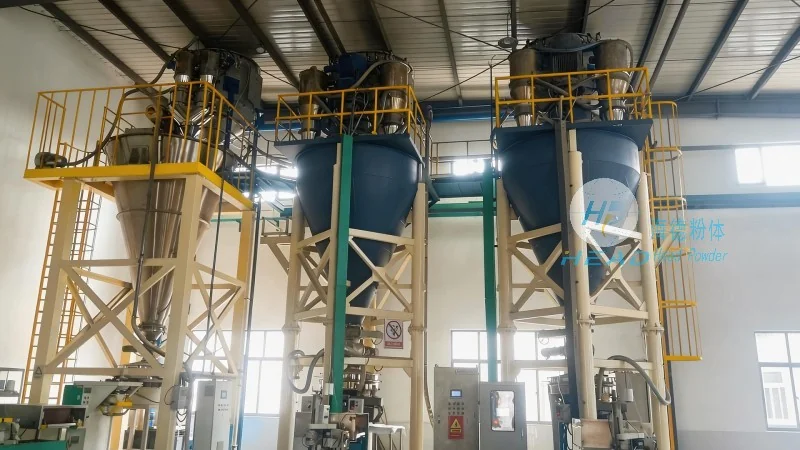
Pneumatic conveying is a widely used method for transporting pyrolysis carbon due to its ability to handle fine powders and provide a closed system that minimizes dust emissions. This method utilizes air pressure to move the material through a pipeline. One of the primary advantages of pneumatic conveying is its ability to transport materials over long distances without the need for multiple transfer points. Additionally, it offers a high degree of containment, reducing environmental impact and improving workplace safety. However, pneumatic systems can be more complex and expensive to install and maintain compared to other methods. They also require careful consideration of air pressure and flow rates to ensure efficient operation, as improper settings can lead to material degradation or system inefficiencies.
Screw Conveyors
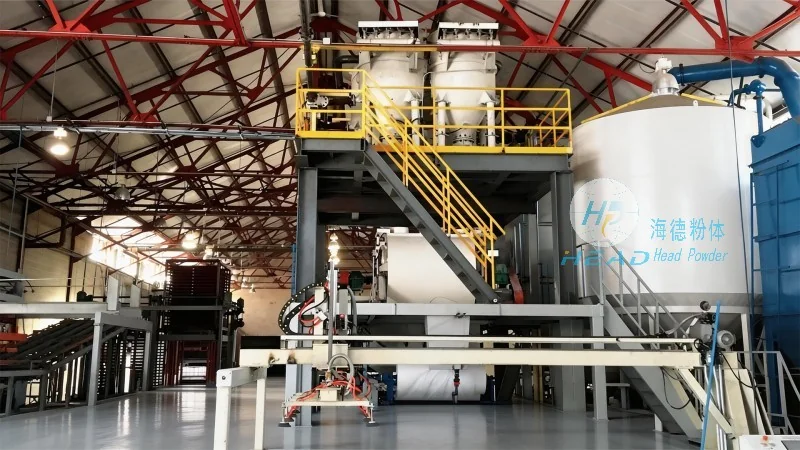
Screw conveyors are another common option for pyrolysis carbon transport, particularly for bulk materials that are less prone to dust generation. These systems consist of a rotating screw (or auger) inside a trough, which moves the material forward through the conveyor. Screw conveyors are relatively simple in design and operation, making them cost-effective for shorter transport distances. They are also easy to install and maintain, with fewer moving parts compared to pneumatic systems. A key advantage is their ability to handle a wide range of material types and sizes, including wet or sticky materials, with minimal degradation. However, screw conveyors are generally limited to shorter distances and may not be suitable for very fine powders that could cause blockages or excessive wear on the screw and trough. They also require regular cleaning to prevent material buildup and maintain performance.
Bucket Elevators
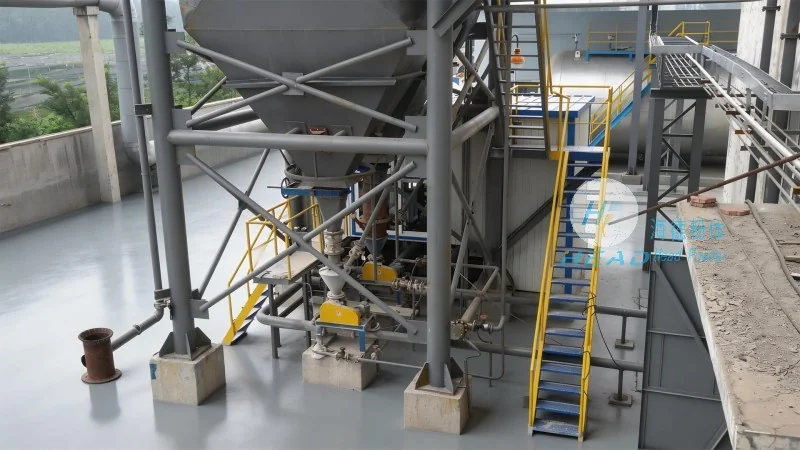
Bucket elevators are vertical conveying systems that use buckets attached to a chain or belt to lift and transport pyrolysis carbon. This method is particularly effective for vertical transport over significant heights, making it suitable for applications where the material needs to be moved from a lower to a higher level. One of the main advantages of bucket elevators is their high capacity and ability to handle large volumes of material efficiently. They are also relatively simple to operate and maintain, with minimal moving parts exposed to the material. However, bucket elevators are typically limited to vertical or near-vertical transport and may not be suitable for horizontal or inclined movement. They also require regular inspection of buckets and chains to prevent wear and tear, which can affect performance and safety.




