Organic salts are widely used in various industrial processes, and their efficient transport is crucial for maintaining production efficiency and safety. Shandong HeadPowder Engineering Co., Ltd., a leading company based in China, specializes in providing solutions for the handling and transportation of such materials. This article provides a detailed comparison of common organic salt transport methods, highlighting their advantages and disadvantages to help industries make informed decisions.
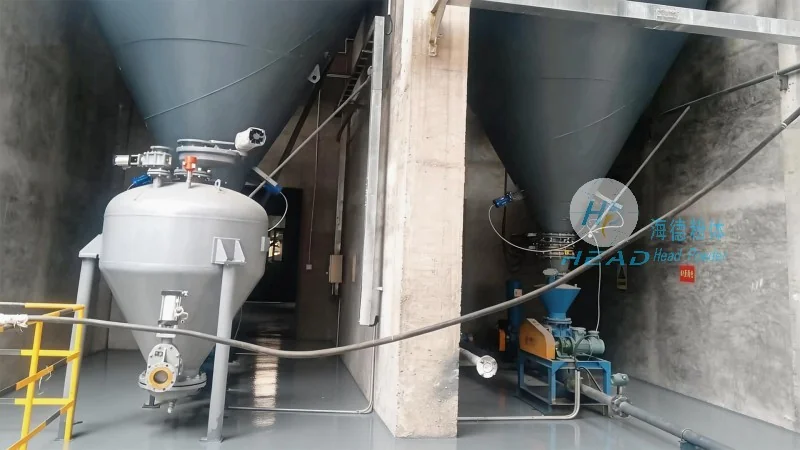
Overview of Organic Salt Transport Methods
Organic salts, such as ammonium nitrate, potassium chloride, and other similar compounds, require specialized handling due to their chemical properties and potential hazards. The choice of transport method depends on factors like the salt's physical state, concentration, viscosity, and the distance it needs to be moved. Common methods include pump-based systems, pneumatic conveying, and gravity-fed pipelines. Each method has its own set of benefits and drawbacks, which are discussed below.
Pump-Based Transport Systems
Pump-based systems are among the most common methods for transporting organic salts. These systems typically use centrifugal or positive displacement pumps to move the material through pipelines. The primary advantage of pump systems is their ability to handle a wide range of flow rates and pressures, making them suitable for both low and high-volume applications. They also provide consistent flow control, which is essential for maintaining process stability. However, pump systems require regular maintenance to prevent wear and tear, and they can be prone to clogging if the organic salt contains particulates or has high viscosity. Additionally, the energy consumption of pump systems can be significant, especially for long-distance transport.
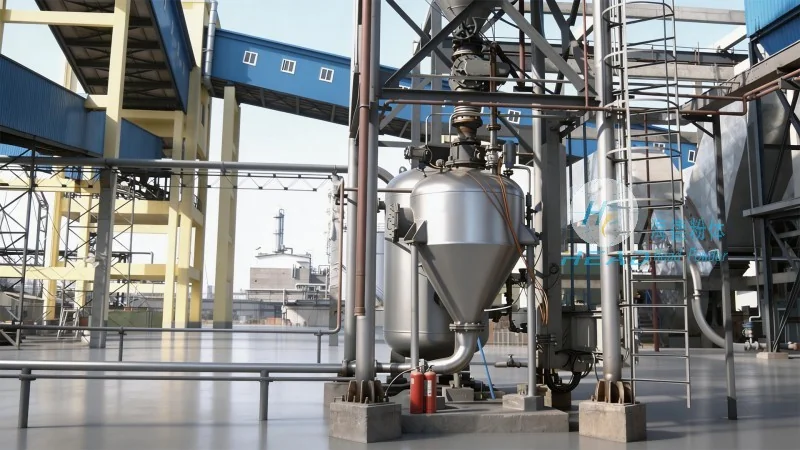
Pneumatic Conveying Systems
Pneumatic conveying uses compressed air or other gases to transport organic salts in a dilute or dense phase. This method is particularly effective for powders and granules that are difficult to pump. The main advantage of pneumatic systems is their ability to handle abrasive or corrosive materials without causing damage to the equipment. They also allow for flexible routing of the transport line, which can be advantageous in complex plant layouts. However, pneumatic conveying can be less efficient for high-density materials, as it requires more energy to move the material compared to other methods. Furthermore, the system can be sensitive to variations in air pressure, which may affect the flow rate and consistency of the transport.
Gravity-Fed Pipeline Systems
Gravity-fed pipeline systems rely on the natural force of gravity to move organic salts from a higher elevation to a lower one. This method is simple and requires minimal energy input, making it an economical choice for short-distance transport. The primary advantage is the low operational cost and the absence of moving parts, which reduces maintenance requirements. However, gravity-fed systems are limited by the topography of the site and the height difference available. They are not suitable for long distances or when the material needs to be moved to a higher elevation. Additionally, the system can be affected by changes in the material's density or flow characteristics, which may cause uneven flow or blockages.
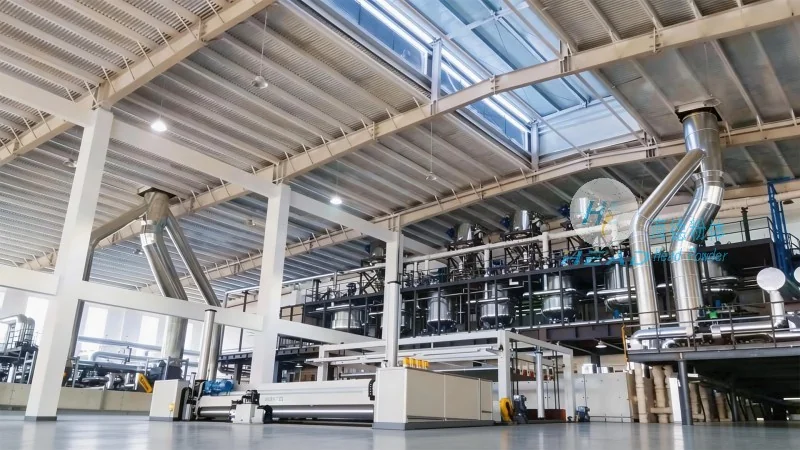
Comparative Analysis and Recommendations
When selecting a transport method for organic salts, it is essential to consider the specific requirements of the application. Pump-based systems are generally recommended for high-volume, high-pressure applications where consistent flow is critical. Pneumatic conveying is ideal for handling powders and granules, especially those with abrasive or corrosive properties. Gravity-fed systems are best suited for short-distance, low-volume applications where energy efficiency and simplicity are prioritized. Shandong HeadPowder Engineering Co., Ltd. offers customized solutions based on these considerations, ensuring that clients receive the most appropriate transport system for their needs.
By understanding the advantages and disadvantages of each transport method, industries can optimize their operations, reduce costs, and enhance safety. The choice of transport system directly impacts the efficiency and reliability of the overall process, making it a critical decision in the handling of organic salts. Shandong HeadPowder Engineering Co., Ltd. continues to provide expert guidance and tailored solutions to meet the evolving needs of the industry.




