HeadPowder, a leading engineering firm based in Shandong, China, specializes in the design, calculation, and selection of equipment for pneumatic conveying systems, particularly tailored for cocoa powder applications. This article provides a comprehensive overview of the key considerations and methodologies involved in optimizing cocoa powder handling through pneumatic systems, ensuring efficient and reliable material transport.
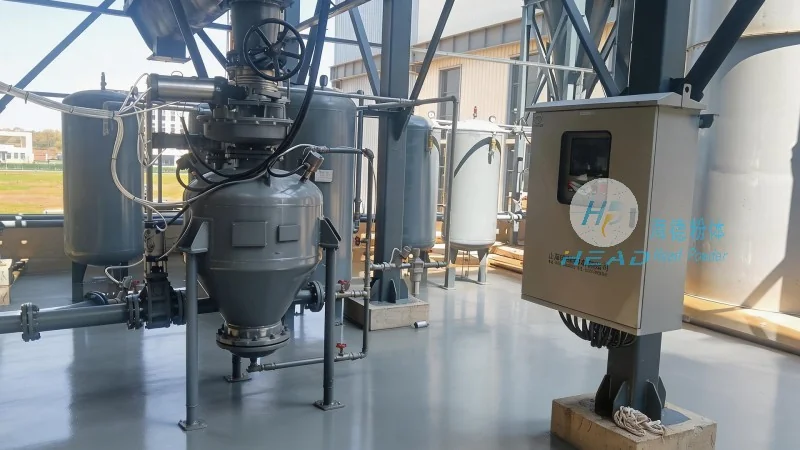
Understanding Pneumatic Conveying for Cocoa Powder
Pneumatic conveying is a critical technology in the food processing industry, especially for handling fine powders like cocoa. Unlike traditional mechanical systems, pneumatic conveyors use air to transport materials, offering advantages such as reduced contamination, lower maintenance, and the ability to handle sensitive products without damage. For cocoa powder, which is often used in high-value applications like chocolate production, the efficiency and reliability of the conveying system directly impact product quality and operational costs.
Design Calculation Principles for Cocoa Powder Conveying
The design of a pneumatic conveying system for cocoa powder involves several key calculations to ensure optimal performance. First, the material's physical properties, including particle size distribution, bulk density, and flowability, must be accurately characterized. These parameters are crucial for determining the appropriate air velocity and pressure required for effective transport. Engineers at HeadPowder utilize advanced computational methods to model the behavior of cocoa powder in the conveying line, considering factors like friction, air resistance, and particle-particle interactions.
Next, the system's capacity and flow rate are calculated based on production requirements. This involves determining the required throughput in kilograms per hour or cubic meters per hour, which dictates the size of the conveyor pipe, the power of the air compressor, and the number of conveying lines needed. The design also considers the system's pressure drop, which is a measure of energy loss as air and powder move through the pipeline. By minimizing pressure drop through proper pipe sizing and minimizing bends and fittings, the system's efficiency is maximized.
Equipment Selection for Cocoa Powder Pneumatic Conveying
HeadPowder offers a range of equipment tailored to the specific needs of cocoa powder handling. The primary components of a pneumatic conveying system include the air compressor, conveying line, and material feeders. For cocoa powder, which is a fine, abrasive material, the selection of these components is critical.
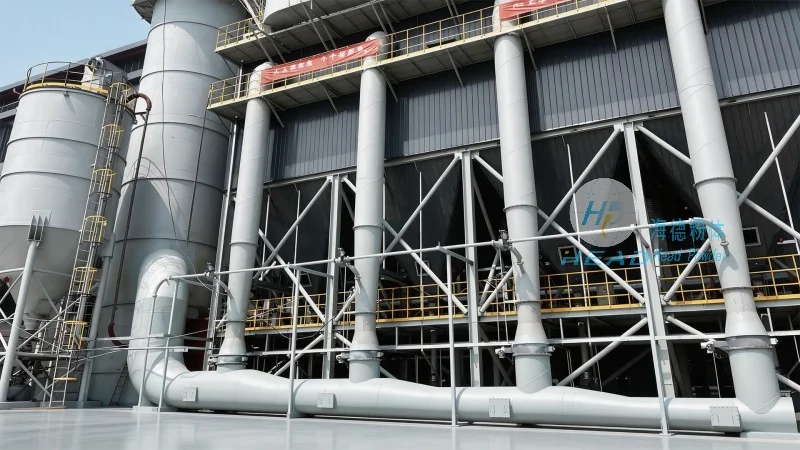
The air compressor is typically a positive displacement type, such as a rotary lobe or screw compressor, capable of delivering the required pressure and flow rate. The choice of compressor depends on the system's operating pressure and the distance the material needs to be conveyed. For short-distance conveying, lower pressure systems may suffice, while longer distances or higher elevations require higher pressure capabilities.
The conveying line is usually made of stainless steel or other corrosion-resistant materials to prevent contamination and ensure durability. The pipe diameter is selected based on the flow rate and air velocity, with larger diameters reducing pressure drop and improving efficiency. Bends and fittings are minimized to maintain consistent air flow and prevent material buildup or blockages. For cocoa powder, which can be prone to caking, the use of smooth, rounded bends and regular cleaning mechanisms is essential.
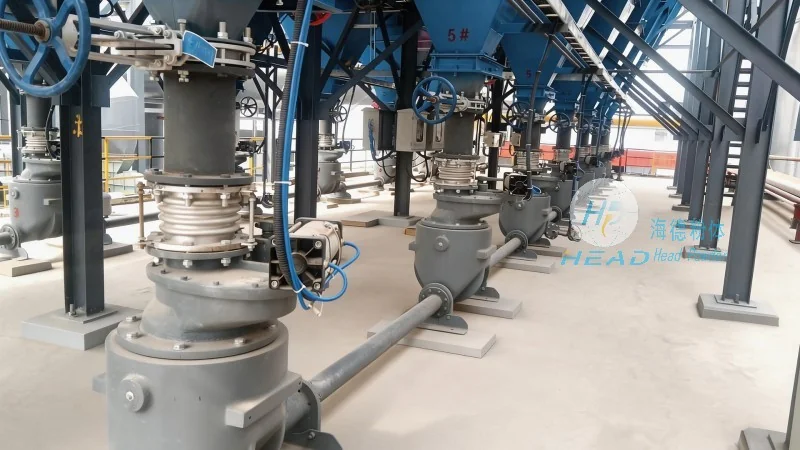
Material feeders, such as rotary valves or screw feeders, are used to introduce cocoa powder into the conveying line. These feeders must be designed to handle fine powders without causing excessive pressure fluctuations or material degradation. The feeder's capacity is matched to the system's flow rate to ensure smooth and continuous operation. HeadPowder's engineers carefully select feeders that minimize product degradation and maintain consistent material flow, which is critical for maintaining the quality of cocoa powder used in food applications.
Addressing Challenges in Cocoa Powder Conveying
Handling cocoa powder presents unique challenges due to its fine particle size and tendency to form agglomerates. These challenges can lead to system inefficiencies, such as blockages or increased pressure drop. HeadPowder addresses these issues through specialized design and equipment selection.
One common challenge is the formation of clogs in the conveying line, particularly at bends or fittings. To mitigate this, the system may include a venturi or a pulse-jet cleaning system that periodically cleans the pipe by injecting high-pressure air. This helps maintain consistent flow and prevents material buildup. Additionally, the use of air classifiers or cyclones can be incorporated to separate oversized particles or agglomerates from the main stream, ensuring that only properly sized cocoa powder is conveyed.
Another challenge is maintaining product quality during transport. Cocoa powder is sensitive to moisture and temperature changes, which can affect its flavor and color. The pneumatic system is designed to minimize exposure to ambient conditions by using insulated pipes and controlling the temperature of the conveying air. This helps preserve the product's quality and prevent spoilage during transport.
Company Profile: Shandong HeadPowder Engineering Co., Ltd.
HeadPowder, with its headquarters in Shandong, China, is a reputable engineering company specializing in the design and implementation of pneumatic conveying systems for various industries, including food processing. The company's team of experienced engineers and technicians has extensive knowledge in material handling and process optimization, ensuring that each project is tailored to the specific needs of the client.
HeadPowder's commitment to quality and customer satisfaction is reflected in its comprehensive service offerings. From initial system design and calculation to equipment selection and installation, the company provides end-to-end solutions for pneumatic conveying systems. The company's expertise in cocoa powder handling has earned it a reputation as a trusted partner in the food industry, helping clients improve operational efficiency and product quality.
With a focus on innovation and customer needs, HeadPowder continues to develop advanced solutions for pneumatic conveying, ensuring that its clients remain competitive in the global market. The company's location in Shandong, China, provides access to a wide range of manufacturing resources and skilled labor, enabling it to deliver high-quality equipment and services at competitive prices.




