When it comes to transporting sintered ash, selecting the right conveying method is crucial for efficiency, cost-effectiveness, and operational safety. Sintered ash, a byproduct from industrial processes like steel production, requires reliable and efficient transport solutions to move it from production sites to storage or disposal areas. This article provides a detailed comparison of common sintered ash conveying methods, highlighting their advantages and disadvantages to help industrial facilities make informed decisions.
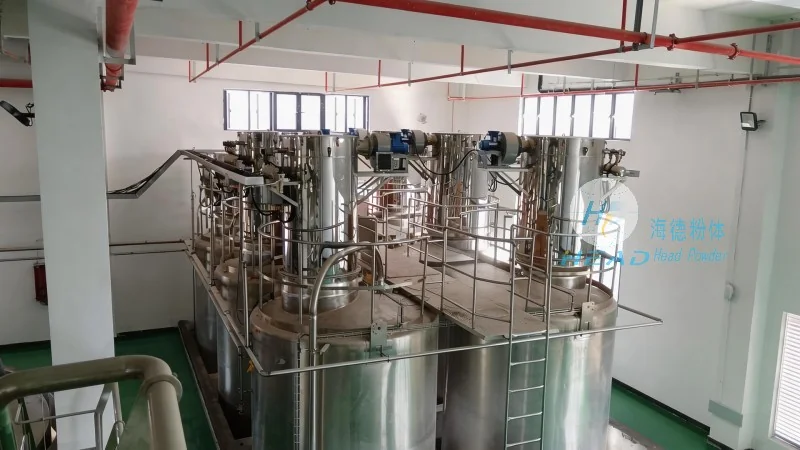
Overview of Sintered Ash Conveying Methods
Sintered ash, characterized by its fine particles and potentially abrasive nature, demands specialized conveying systems that can handle its unique properties. The primary methods used in industrial settings include screw conveyors, pneumatic (air) conveying systems, belt conveyors, and bucket elevators. Each method has distinct characteristics that make it suitable for different applications and operational conditions.
Screw Conveyors: A Traditional and Versatile Option
Screw conveyors, also known as auger conveyors, are one of the most common sintered ash conveying solutions. They consist of a rotating screw (auger) inside a trough, which moves material forward through the system. The advantages of screw conveyors include their simplicity, low maintenance requirements, and ability to operate in a closed environment, which helps contain dust and prevent environmental contamination. They are particularly effective for horizontal or slightly inclined transport over short to medium distances.
However, screw conveyors have limitations when dealing with sintered ash. Their performance can be affected by the ash's moisture content and particle size, as overly wet or fine particles may cause clogging or reduced efficiency. Additionally, the wear on the screw and trough can be significant due to the abrasive nature of sintered ash, leading to higher maintenance costs over time. Despite these drawbacks, screw conveyors remain a popular choice for applications where the ash is relatively dry and the transport distance is manageable.
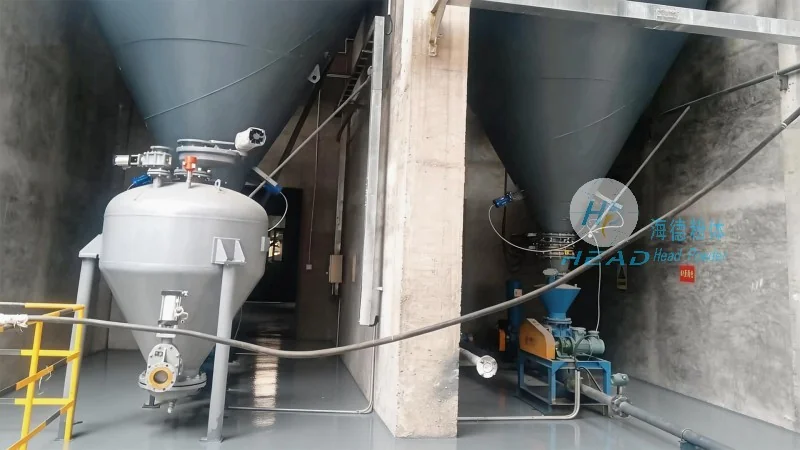
Pneumatic Conveying Systems: High-Capacity and Flexible Solutions
Pneumatic conveying systems use air or other gases to transport sintered ash through a pipeline. These systems are highly effective for moving large volumes of material over long distances and can handle both dry and slightly moist ash. The primary advantage of pneumatic conveying is its ability to transport material vertically and horizontally with minimal space requirements, making it ideal for complex layouts and confined areas. It also offers a closed system that prevents dust emissions, enhancing safety and environmental compliance.
However, pneumatic conveying has notable disadvantages. The energy consumption is relatively high compared to other methods, as it requires powerful blowers to generate sufficient air pressure. The system is also more complex, with components like filters, cyclones, and receivers that need regular maintenance. Additionally, the initial investment cost is higher, and the system may not be suitable for very fine or highly abrasive ash particles, which can cause wear on the pipeline and air separation equipment.
Belt Conveyors: Robust and Economical for Long Distances
Belt conveyors are widely used for transporting sintered ash over long distances, especially in open-pit or mining operations. They consist of a continuous belt that moves material along a series of rollers or idlers. The advantages of belt conveyors include their high capacity, ability to handle large volumes of material, and low operational cost per ton-mile. They are also relatively simple to install and maintain, with minimal moving parts compared to other systems.
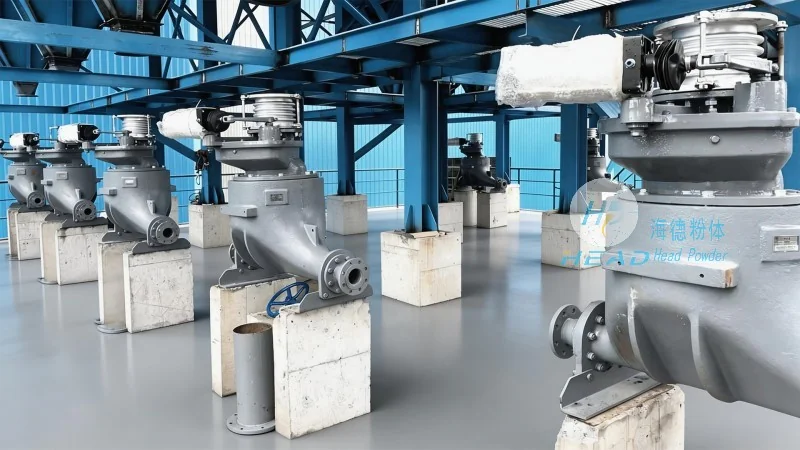
Nevertheless, belt conveyors have limitations for sintered ash transport. The system requires a significant amount of space, as the belt must be supported by a frame and rollers. This makes it less suitable for confined or vertical transport. Additionally, the belt can be damaged by abrasive particles, leading to frequent replacements and increased maintenance costs. The system is also prone to downtime due to belt misalignment or material buildup, which can disrupt operations.
Bucket Elevators: Efficient Vertical Transport Solutions
Bucket elevators are specialized conveyors designed for vertical transport of sintered ash. They consist of a continuous chain with buckets attached, which moves material upward in a vertical shaft. The primary advantage of bucket elevators is their high efficiency in vertical transport, with minimal space requirements and the ability to handle large volumes of material. They are particularly effective for moving ash from a storage hopper to a higher level for disposal or processing.
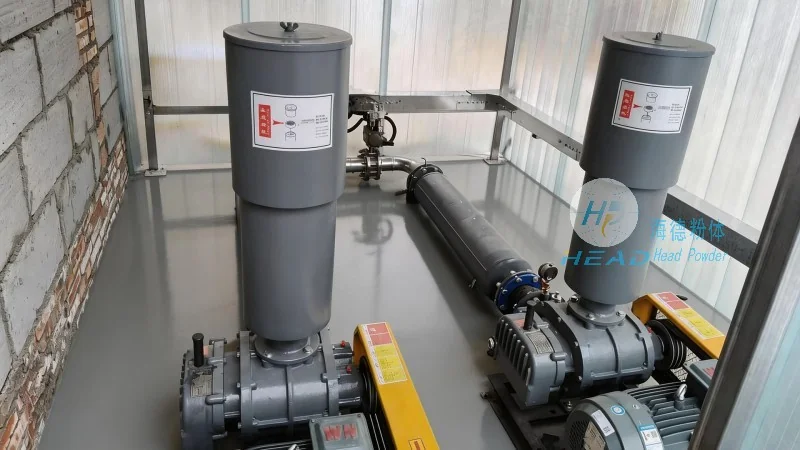
However, bucket elevators have specific drawbacks. They are primarily designed for vertical transport and are not suitable for horizontal or inclined movement. The system requires careful alignment and maintenance to prevent bucket damage or chain breakage, which can lead to operational failures. Additionally, the initial cost is higher due to the complex mechanical components, and the system may not be efficient for very fine or lightweight ash particles, as they can cause uneven loading and reduced capacity.
Choosing the Right Conveying Method for Sintered Ash
When selecting a sintered ash conveying method, industrial facilities must consider several factors, including the ash's properties (particle size, moisture content, abrasiveness), the distance and direction of transport, the required capacity, and the available space. For short horizontal transport of relatively dry ash, a screw conveyor may be the most economical choice. For long-distance or complex layouts, pneumatic conveying or belt conveyors may be more suitable. Vertical transport, especially from lower to higher levels, is best handled by bucket elevators.
It is also important to evaluate the long-term costs, including maintenance, energy consumption, and environmental compliance. While some methods may have lower initial costs, higher maintenance or energy expenses can offset these benefits over time. Consulting with experts, such as Shandong HeadPowder Engineering Co., Ltd., can provide valuable insights into the most appropriate conveying system for specific operational needs.




