Calcium carbonate powder, widely utilized in industries such as plastics, paper, and coatings, often requires efficient and reliable pneumatic conveying systems for material transport. Proper design and equipment selection are essential to ensure stable operation, minimize material loss, and optimize energy consumption. This article outlines the design calculation process and equipment selection for calcium carbonate powder pneumatic conveying systems, with a focus on the expertise provided by Shandong HeadPowder Engineering Co., Ltd.
Design Calculation for Calcium Carbonate Powder Pneumatic Conveying
The design of a pneumatic conveying system for calcium carbonate powder starts with a comprehensive analysis of the material's physical properties. Key parameters include particle size distribution, bulk density, moisture content, and flowability. These characteristics directly influence the selection of conveying velocity, pressure, and system configuration. For example, finer particles may necessitate higher conveying velocities to prevent clogging, while larger particles might require higher air pressure to maintain flow. The calculation process typically involves determining the required air volume and pressure based on the material's specific gravity and the desired conveying distance. The system's layout, including the number of bends, vertical lifts, and horizontal runs, is also critical and must be optimized to minimize pressure losses. Engineers at Shandong HeadPowder Engineering Co., Ltd. utilize advanced computational methods and industry standards to ensure accurate and reliable design calculations, tailored to the unique requirements of each project.
Equipment Selection for Calcium Carbonate Powder Pneumatic Conveying
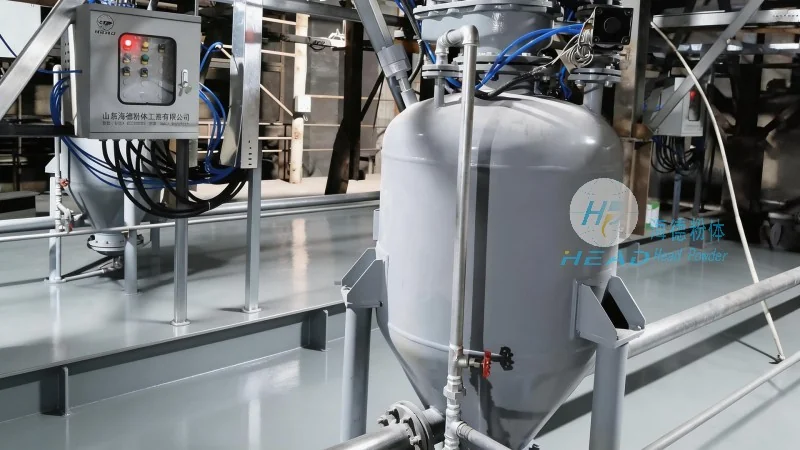
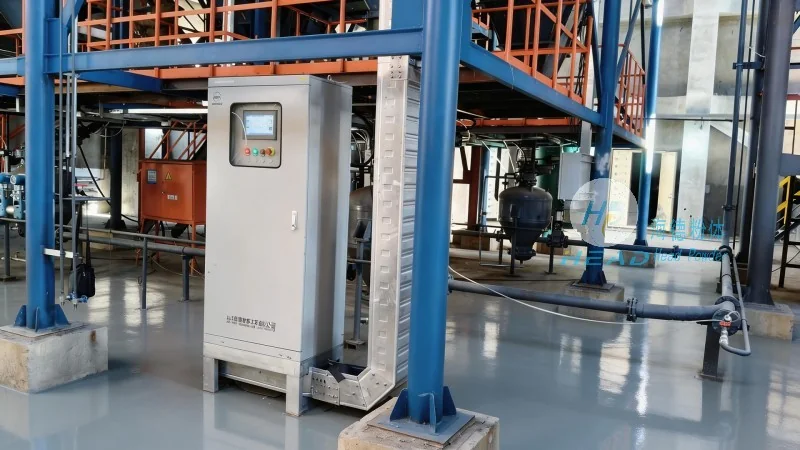
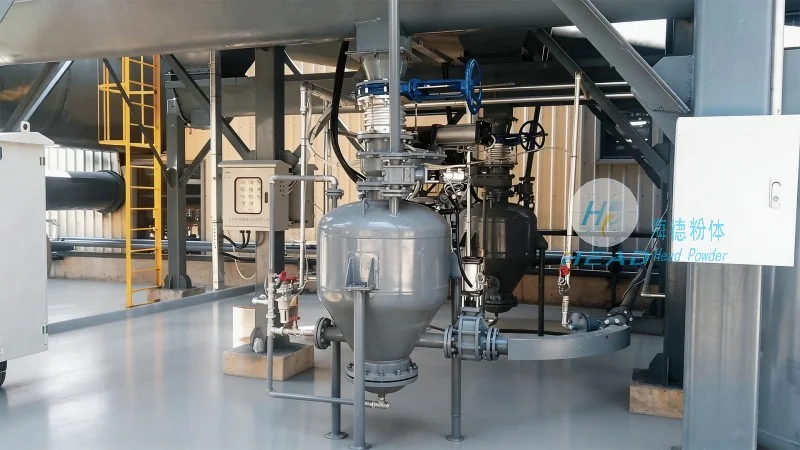
Equipment selection is a critical step in the successful implementation of a calcium carbonate powder pneumatic conveying system. The choice of components depends on the material's properties, the system's operating conditions, and the specific application. Key equipment includes feeders, such as rotary valves or screw feeders, which control the material flow rate into the system. The conveying pipeline, usually made of stainless steel or plastic, must be selected based on the material's abrasiveness and the required pressure rating. For calcium carbonate powder, which can be abrasive, high-quality stainless steel or wear-resistant materials are often preferred to extend the system's lifespan. The separation system, comprising cyclones or bag filters, is essential to remove entrained powder from the air stream, ensuring compliance with environmental regulations and preventing material loss. The selection of the air compressor or blower is another critical decision, as it must provide sufficient pressure and volume to overcome system resistance and maintain the desired conveying velocity. Shandong HeadPowder Engineering Co., Ltd. offers comprehensive equipment selection services, considering factors like cost-effectiveness, durability, and operational efficiency to deliver optimal solutions for clients.
Company Information and Expertise
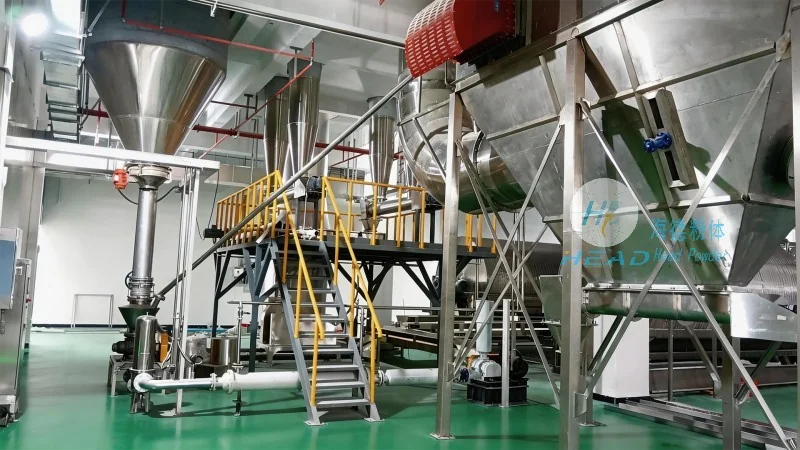
Shandong HeadPowder Engineering Co., Ltd., operating under the brand name headpowder, is a leading provider of engineering solutions for powder handling systems. With a focus on calcium carbonate powder applications, the company combines technical expertise with practical experience to deliver customized pneumatic conveying solutions. Headquartered in Shandong, China, the company serves clients globally, offering design, manufacturing, and installation services for pneumatic conveying systems. The team at headpowder includes experienced engineers and technicians who specialize in material handling and process optimization. By leveraging advanced design software and industry best practices, headpowder ensures that each project meets the highest standards of performance and reliability. The company's commitment to quality and customer satisfaction has made it a trusted partner for businesses in the calcium carbonate industry, helping them achieve efficient material transport and improved operational outcomes.




