Shandong HeadPowder Engineering Co., Ltd., commonly known as headpowder, specializes in providing comprehensive engineering solutions for the design, calculation, and equipment selection of gypsum powder pneumatic conveying systems. With a focus on industrial applications, the company leverages advanced technical expertise to ensure efficient and reliable material handling for gypsum powder, a critical component in the construction and building materials industries. The company's commitment to quality and innovation ensures that clients receive tailored systems that meet their operational requirements while adhering to industry standards.
Key Design Parameters for Gypsum Powder Pneumatic Conveying
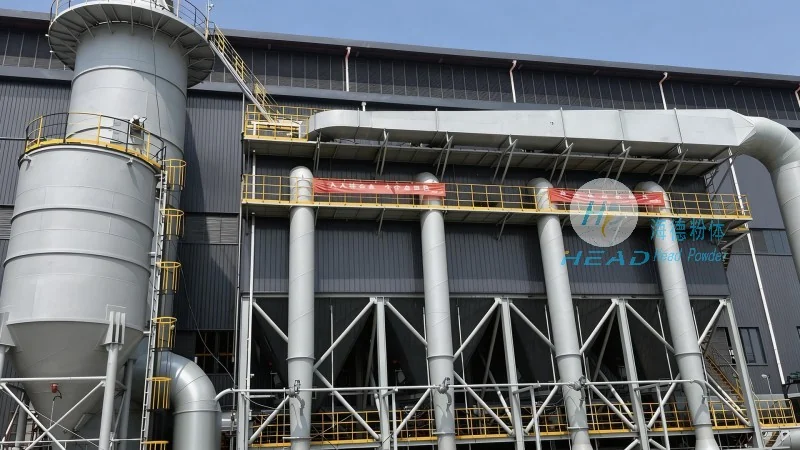
The successful design of a gypsum powder pneumatic conveying system requires a comprehensive analysis of several critical parameters. These include the physical properties of the gypsum powder, such as particle size distribution, moisture content, and bulk density, which directly influence the system's performance. Engineers at headpowder conduct detailed assessments to determine the optimal conveying velocity, ensuring that the material remains in suspension without causing excessive pressure drops or equipment wear. The moisture content of the gypsum powder is particularly important, as higher moisture levels can lead to agglomeration and increased friction, necessitating adjustments in air flow rates and system pressure. Additionally, the system's capacity and the required conveying distance are key factors that dictate the type of pneumatic conveying technology to be employed, whether it be dilute-phase or dense-phase, each offering distinct advantages based on the application's specific needs.
Equipment Selection for Gypsum Powder Handling
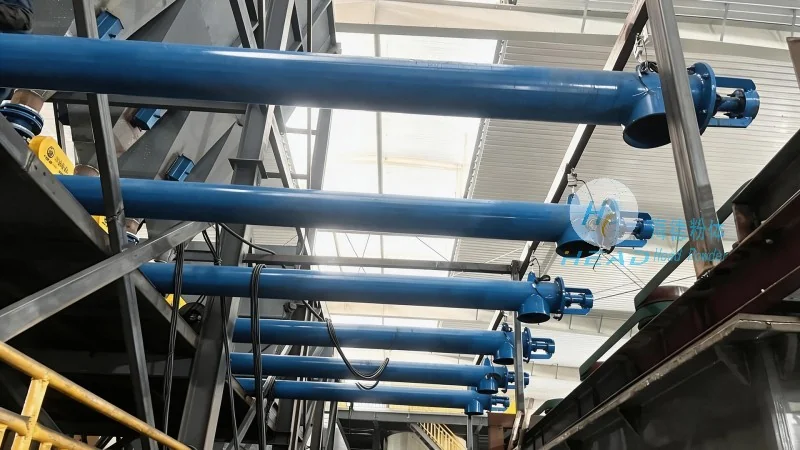
headpowder offers a diverse range of specialized equipment designed to handle the unique challenges of gypsum powder pneumatic conveying. The selection process involves evaluating different system configurations, such as positive displacement blowers, centrifugal fans, and rotary airlocks, based on the operational requirements. Positive displacement blowers are preferred for applications requiring high pressure and consistent air flow, while centrifugal fans are suitable for larger volumes at lower pressures. The company's engineers consider factors like system capacity, operating pressure, and environmental constraints to recommend the most appropriate equipment. For instance, in dense-phase conveying systems, rotary airlocks are used to control the material feed rate, preventing overloading and ensuring smooth material flow. The selection of high-quality filters and dust collectors is also crucial to maintain air quality and comply with environmental regulations, protecting both the equipment and the surrounding environment.
Design Calculation Process and Engineering Approach
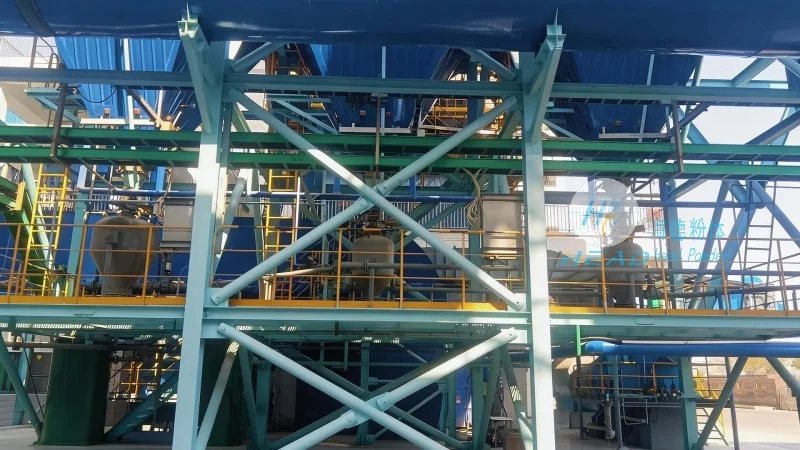
The design calculation process at headpowder is a systematic approach that integrates theoretical principles with practical experience. Engineers begin by collecting detailed data on the material characteristics and operational conditions, including the required conveying rate, distance, and system pressure. Using computational fluid dynamics (CFD) software, they model the flow behavior of gypsum powder in the conveying system, simulating the interaction between the material and air to determine the optimal air velocity and pressure. The calculations also account for the pressure drop across system components, such as pipelines, bends, and valves, to ensure that the blower or compressor can provide sufficient pressure to overcome these losses. By iteratively refining the design based on these simulations, headpowder develops customized solutions that optimize energy efficiency and operational reliability. The company's engineering team also considers maintenance and operational costs, ensuring that the final design is not only efficient but also cost-effective in the long run.
Benefits of Professional Gypsum Powder Pneumatic Conveying Solutions
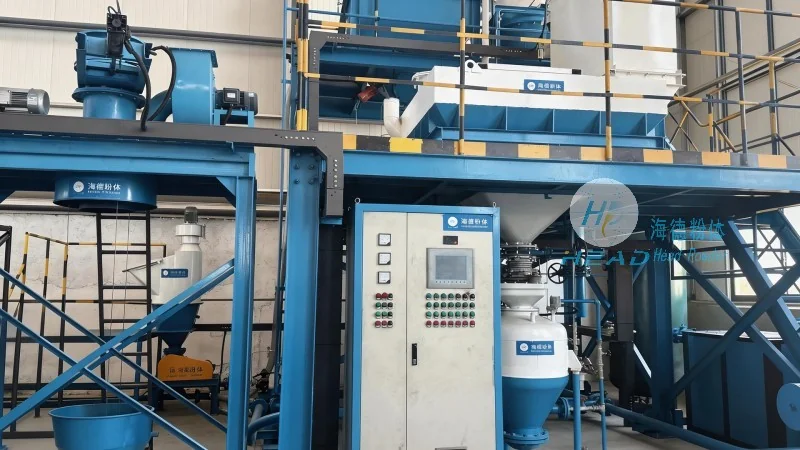
Implementing a well-designed gypsum powder pneumatic conveying system offers significant advantages for industrial operations. The primary benefit is the substantial reduction in material handling time and labor costs, as automated systems eliminate the need for manual loading and unloading. This not only improves productivity but also enhances workplace safety by reducing exposure to dust and other hazards. The enclosed nature of pneumatic conveying minimizes dust emissions, contributing to a cleaner working environment and compliance with environmental regulations. Additionally, the system's ability to handle bulk quantities efficiently improves production throughput, allowing manufacturers to meet higher demand without increasing labor or operational costs. The gentle handling of gypsum powder preserves its quality, ensuring consistent performance in downstream processes, such as plaster production or wallboard manufacturing. headpowder's expertise in design and equipment selection ensures that clients receive tailored solutions that meet their specific needs, resulting in long-term operational efficiency and cost savings.




