When it comes to transporting aggregate materials in construction and industrial applications, selecting the right conveying method is crucial for efficiency, cost-effectiveness, and operational safety. This article provides a detailed comparison of common aggregate conveying methods, highlighting their advantages and disadvantages to help you make an informed decision.
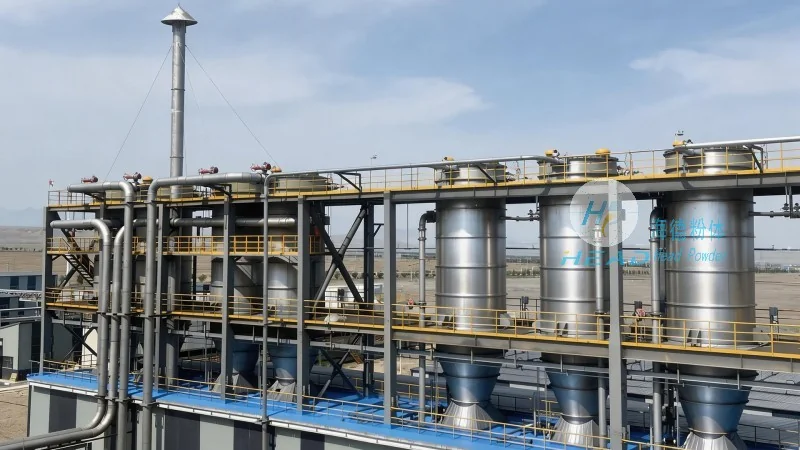
1. Belt Conveyor (Pulley Conveyor)
Belt conveyors are one of the most widely used methods for transporting bulk materials like sand and gravel. They consist of a continuous belt that moves over rollers or pulleys, carrying the material from one point to another. The primary advantages of belt conveyors include high capacity, long-distance transport capabilities, and low maintenance requirements. They are also relatively inexpensive to install and operate. However, belt conveyors have some limitations. For instance, they are not suitable for steep inclines and may experience belt slip or wear over time. Additionally, they require regular cleaning to prevent material buildup and potential blockages.
2. Bucket Elevator (Vertical Conveyor)
Bucket elevators are ideal for vertical or near-vertical material transport, making them perfect for moving aggregates from a lower to a higher level. These systems use a series of buckets attached to a chain or belt that travels within a vertical housing. The main advantage of bucket elevators is their ability to handle vertical lifts with minimal space requirements. They are also capable of transporting materials at high speeds and can operate in dusty environments without significant issues. On the downside, bucket elevators have a lower capacity compared to belt conveyors and are more complex to install and maintain. They also require more power and may experience wear on the buckets and chains.
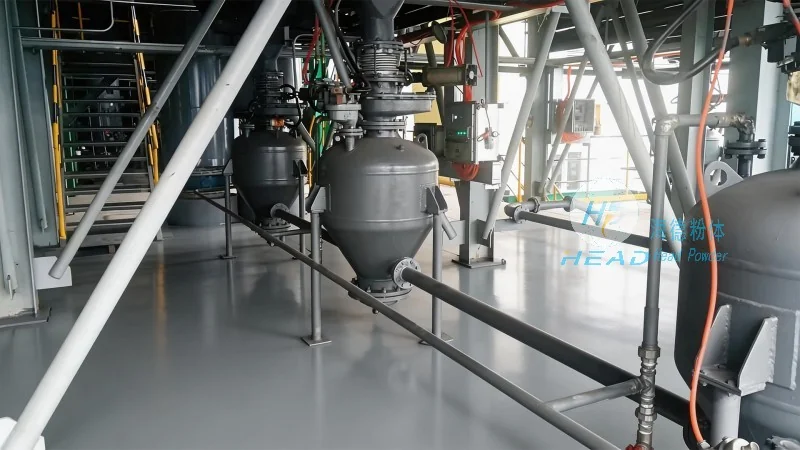
3. Pneumatic Conveying System
Pneumatic conveying systems use air pressure to transport bulk materials through a pipeline. This method is particularly effective for fine aggregates and powders but can also be used for larger particles with proper system design. The key advantages of pneumatic conveying include the ability to transport materials over long distances, the flexibility to route the system around obstacles, and the lack of moving parts at the material discharge point. However, pneumatic systems have several drawbacks. They require high air pressure and energy consumption, which can increase operational costs. Additionally, they are prone to material degradation due to friction and abrasion, and system maintenance can be complex due to the need for air filtration and pipeline cleaning.
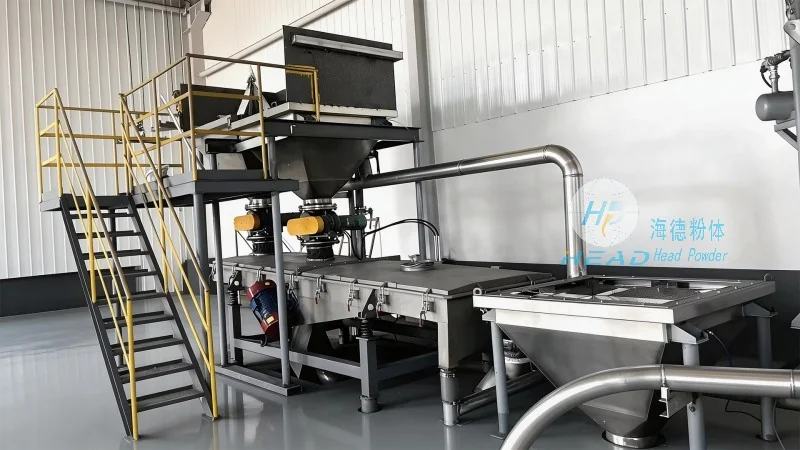
4. Screw Conveyor (Auger Conveyor)
Screw conveyors use a rotating screw (auger) to move materials along a trough. They are commonly used for horizontal or slightly inclined transport of aggregates and are particularly effective for handling sticky or cohesive materials. The advantages of screw conveyors include their compact design, low power consumption, and ability to handle a wide range of materials. They are also relatively simple to install and maintain. However, screw conveyors have limitations in terms of capacity and speed. They are not suitable for long-distance transport and may experience material bridging or blockages, especially with wet or sticky aggregates. Additionally, they can cause material degradation due to friction and may require regular cleaning to prevent clogging.
5. Wheel Conveyor (Mobile Conveyor)
Wheel conveyors are mobile or semi-mobile systems that use wheels to transport aggregates over short to medium distances. They are often used in construction sites or industrial settings where flexibility is needed. The main advantages of wheel conveyors include their mobility, ease of setup, and ability to navigate uneven terrain. They are also relatively low-cost and can be used for temporary or portable applications. However, wheel conveyors have a lower capacity compared to fixed systems and may experience instability on uneven surfaces. They also require regular maintenance of the wheels and supporting structure, and their operational speed is typically lower than fixed conveyors.
Conclusion and Recommendations
Choosing the right aggregate conveying method depends on several factors, including the type and size of the material, the distance and elevation changes, and the specific application requirements. Belt conveyors are ideal for long-distance horizontal transport, while bucket elevators are best for vertical lifts. Pneumatic systems excel in environments with dust or fine particles, and screw conveyors are suitable for handling sticky or cohesive materials. Wheel conveyors offer flexibility for short to medium distances. It is essential to consider the advantages and disadvantages of each method in the context of your specific needs to ensure optimal performance and cost-effectiveness.




