When designing a corn cob pneumatic conveying system, several key factors must be carefully considered to ensure efficiency, reliability, and cost-effectiveness. The system's performance is directly influenced by the characteristics of the corn cob material, the conveying distance, and the overall operational requirements. This article outlines essential design considerations for such systems, providing insights into how to optimize performance and meet industry standards.
Material Properties and Handling Requirements
The physical and chemical properties of corn cob material play a crucial role in system design. Corn cobs are typically dry, lightweight, and have a fibrous structure, which affects how they behave during pneumatic transport. Key material properties to consider include moisture content, bulk density, particle size distribution, and abrasiveness. These factors determine the appropriate air velocity, pressure, and equipment selection. For instance, higher moisture content may require additional drying steps or adjustments to air flow to prevent clogging. The bulk density of corn cobs is generally lower than that of other bulk materials, which impacts the conveying capacity and energy consumption. Proper characterization of these properties ensures that the system is designed to handle the material efficiently without excessive wear or degradation.
System Layout and Conveying Distance
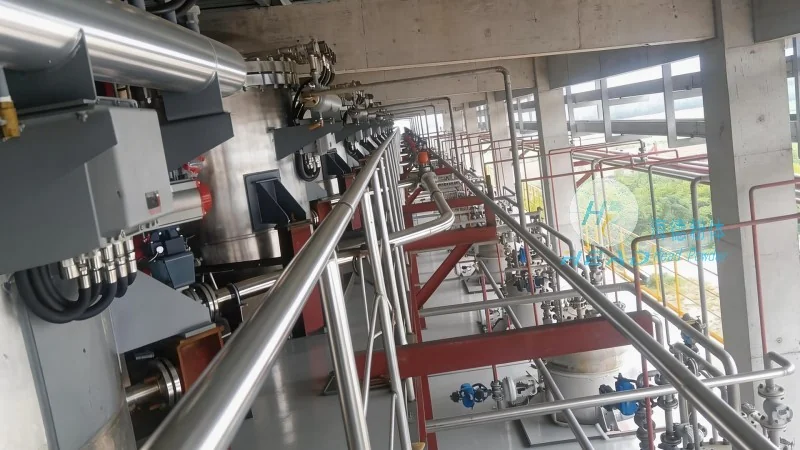
The layout of the pneumatic conveying system significantly impacts its performance and cost. The distance between the source and destination points, as well as the number of turns and elevation changes, must be carefully planned. Horizontal and vertical conveying segments require different air velocity and pressure levels. For short horizontal distances, low-pressure systems are often sufficient, while longer distances or vertical lifts may necessitate high-pressure or high-velocity systems. The system layout should minimize the number of bends and use smooth, low-friction components to reduce pressure drop and energy loss. Additionally, the location of the system within the facility, such as near processing plants or storage areas, influences the design of the hopper, feeder, and discharge equipment. Proper integration with existing infrastructure is essential to avoid operational conflicts and ensure seamless material flow.
Equipment Selection and Component Integration
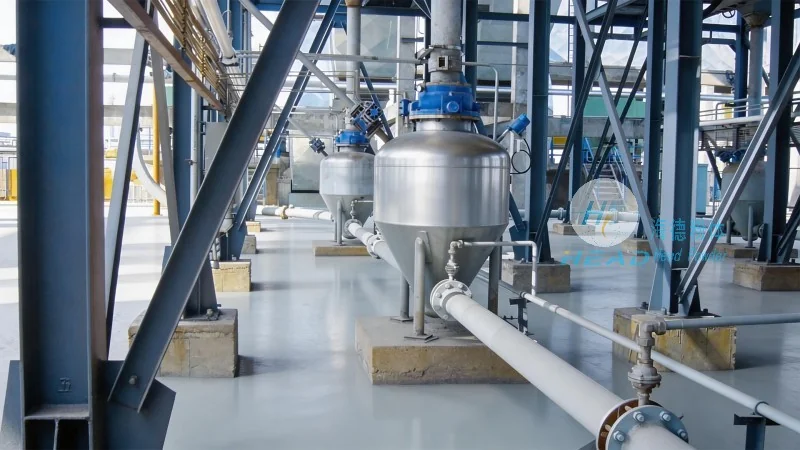
Choosing the right equipment components is critical for the success of a corn cob pneumatic conveying system. The primary components include the hopper, feeder, air compressor, conveying line, and discharge unit. The hopper must be designed to store the corn cobs without causing compaction or bridging, which can lead to blockages. A well-designed hopper with appropriate hopper angles and flow aids ensures consistent material feeding. The feeder, such as a rotary valve or screw feeder, must be capable of handling the material's bulk density and flow characteristics. Air compressors are selected based on the required air volume and pressure, with considerations for energy efficiency and noise levels. The conveying line, typically made of stainless steel or other corrosion-resistant materials, must withstand the abrasive nature of corn cobs and maintain low pressure drop. The discharge unit, including cyclones or filters, is essential for separating the conveyed material from the air stream and preventing dust emissions. Proper integration of these components ensures smooth operation and reduces maintenance requirements.
Energy Efficiency and Environmental Considerations
Energy efficiency is a key consideration in modern system design, as it directly impacts operational costs and sustainability. High-pressure pneumatic systems consume more energy than low-pressure systems, so optimizing air velocity and pressure is crucial. Using energy-efficient air compressors and variable frequency drives (VFDs) can reduce energy consumption. Additionally, the system's design should minimize pressure drop by using smooth pipes and reducing the number of fittings. Environmental considerations, such as dust control and noise reduction, are also important. Proper filtration and dust collection systems are necessary to comply with environmental regulations and maintain a safe working environment. The use of corrosion-resistant materials and regular maintenance can extend the system's lifespan and reduce long-term costs.
System Maintenance and Reliability
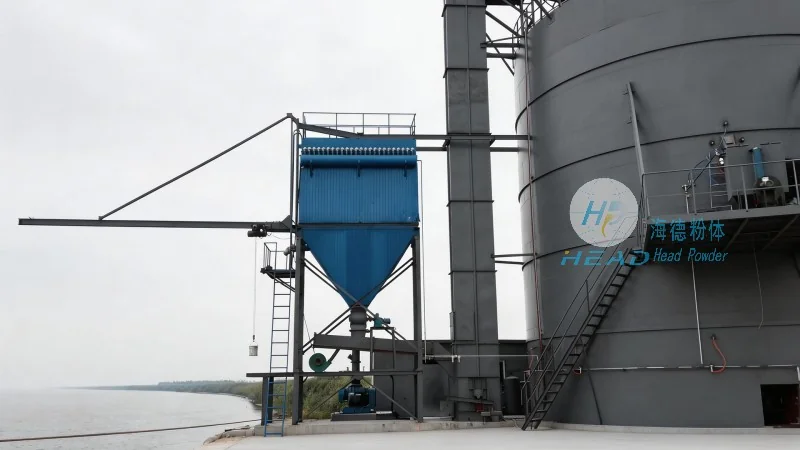
Maintenance and reliability are critical for ensuring the continuous operation of a corn cob pneumatic conveying system. Regular maintenance, including cleaning of the hopper, feeder, and conveying line, is essential to prevent clogging and wear. The system should be designed with easy access to components for maintenance, reducing downtime. Using high-quality, durable materials and components can improve the system's reliability and reduce the frequency of repairs. Additionally, monitoring systems, such as pressure sensors and flow meters, can help detect issues early and prevent major failures. Proper training of operators on system operation and maintenance is also important to ensure optimal performance and longevity of the equipment.
Conclusion
Designing a corn cob pneumatic conveying system requires a comprehensive approach that considers material properties, system layout, equipment selection, energy efficiency, and maintenance. By carefully addressing these factors, engineers can develop a system that meets the specific needs of the application, ensuring efficient and reliable material transport. The expertise of companies like Shandong HeadPowder Engineering Co., Ltd. is essential in providing tailored solutions that optimize performance and reduce operational costs. With proper design and implementation, corn cob pneumatic conveying systems can significantly improve the efficiency of material handling processes in various industries.




