

What is Maltodextrin Material Pneumatic Conveying? And What Are Its Design Principles?
Understanding the principles and design of pneumatic conveying for maltodextrin materials is crucial for industries dealing with this type of product. Pneumatic conveying systems are widely used in the food and chemical sectors to transport powders and granules efficiently and safely. This article, presented by Shandong HeadPowder Engineering Co., Ltd. (headpowder), will explore the fundamentals of maltodextrin material pneumatic conveying, its operational mechanisms, and the key design principles that ensure optimal performance.
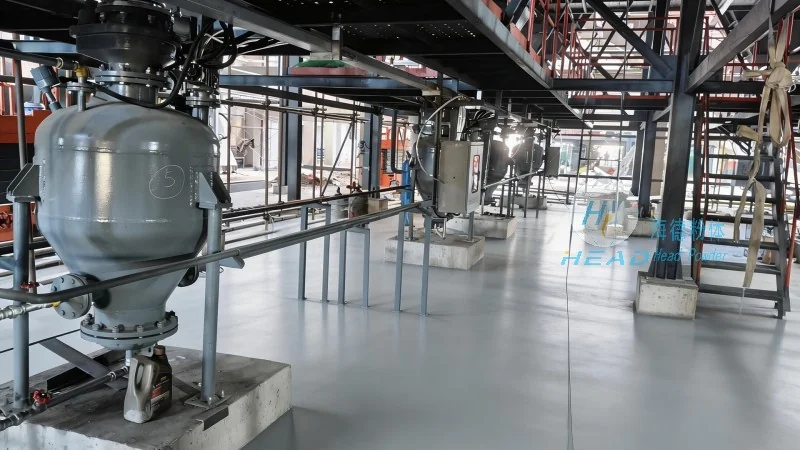
Introduction to Maltodextrin and Pneumatic Conveying
Maltodextrin is a polysaccharide derived from starch, commonly used as a food additive and in various industrial applications due to its functional properties, such as thickening, stabilizing, and providing a sweet taste. When handling maltodextrin, traditional methods like bucket elevators or belt conveyors may not be sufficient, especially for fine powders that are prone to dust and clogging. Pneumatic conveying offers a solution by using air to transport the material, reducing the risk of contamination and improving process efficiency.
How Pneumatic Conveying Works for Maltodextrin
Pneumatic conveying systems operate by creating a pressure differential between the inlet and outlet of the system. The material is introduced into the conveying line, often with a feed device like a rotary valve or a venturi feeder. Compressed air then propels the maltodextrin particles through the pipeline. There are two main types of pneumatic conveying: pressure and vacuum. Pressure systems use positive pressure to push the material, while vacuum systems use negative pressure to pull it. For maltodextrin, which is a fine powder, a pressure system is often preferred as it provides better control over the flow and reduces the risk of material degradation.
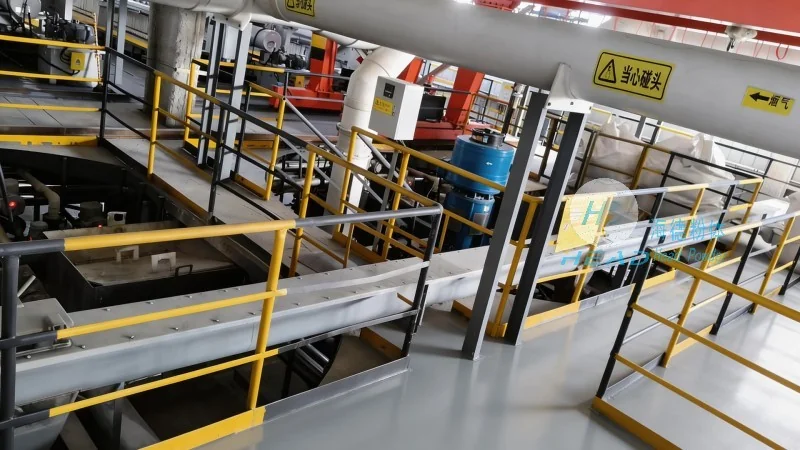
Key Design Principles for Maltodextrin Pneumatic Conveying Systems
The design of a pneumatic conveying system for maltodextrin must consider several critical factors to ensure reliable operation and minimal maintenance. First, the material's properties, such as particle size, density, and moisture content, are essential. Maltodextrin particles are typically fine and hygroscopic, which can affect the conveying efficiency. The system must be designed to handle these characteristics without causing blockages or degradation. Second, the pipeline layout and diameter are crucial. The diameter should be large enough to prevent particle accumulation and ensure smooth flow. The length and elevation changes also impact the system's performance, as excessive pressure drop can lead to system failure. Third, the air flow rate and pressure must be optimized. The air velocity should be high enough to keep the particles suspended but not so high as to cause excessive wear on the equipment. The pressure drop across the system must be managed to maintain the required conveying capacity.
Components of a Maltodextrin Pneumatic Conveying System
A typical pneumatic conveying system for maltodextrin includes several key components. The feed system, which introduces the material into the pipeline, is critical. This may include a hopper with a rotary valve to control the flow rate. The conveying line itself, made of materials resistant to corrosion and abrasion, such as stainless steel or polyethylene, is essential to prevent contamination and wear. The air compressor or vacuum pump provides the necessary pressure or vacuum. For pressure systems, the air is filtered and dried to remove moisture and particulates that could affect the maltodextrin quality. The system also includes control valves, such as check valves and flow control valves, to regulate the air and material flow. Finally, the discharge system, which collects the maltodextrin at the end of the pipeline, may include a cyclone separator or a filter to separate the material from the air.
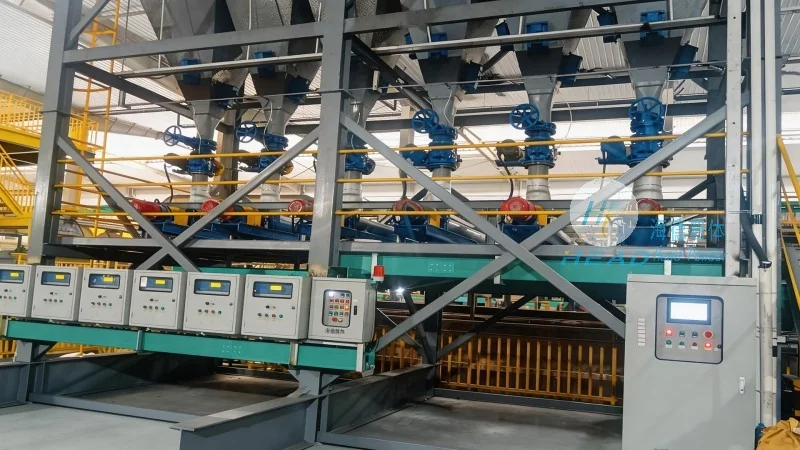
Advantages of Using Pneumatic Conveying for Maltodextrin
Implementing a pneumatic conveying system for maltodextrin offers several advantages over traditional methods. First, it reduces the risk of product contamination, as the material is enclosed in the pipeline, preventing exposure to external elements. Second, it improves process efficiency by allowing for continuous and automated material transport, reducing labor costs and increasing production throughput. Third, it minimizes material degradation, as the system operates at lower temperatures and avoids direct contact with metal surfaces that could cause oxidation or other chemical changes. Fourth, it provides better control over the material flow, allowing for precise dosing and mixing. Finally, it reduces the risk of dust explosions, as the material is contained within the system, eliminating the need for open storage or handling.
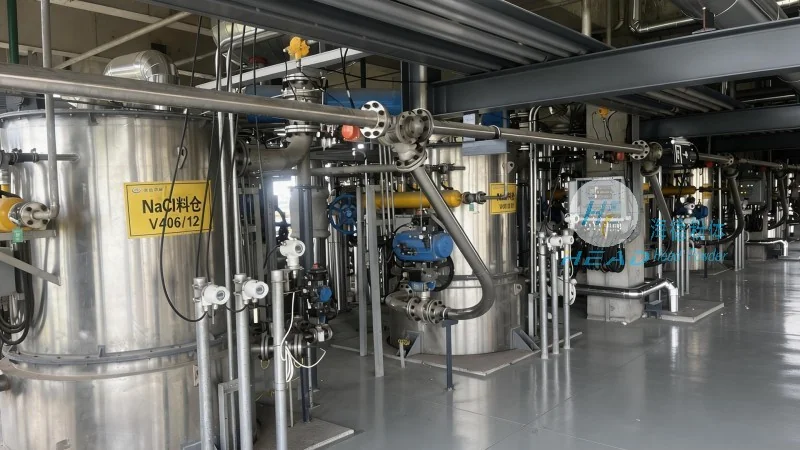
Considerations for Designing a Maltodextrin Pneumatic Conveying System
When designing a pneumatic conveying system for maltodextrin, several factors must be considered to ensure optimal performance and longevity. First, the system must be designed to handle the material's hygroscopic nature, as moisture can cause the maltodextrin to clump and clog the pipeline. This may require the use of desiccant filters or heated pipelines to maintain the material's dryness. Second, the system must be constructed from materials that are resistant to the maltodextrin's chemical properties, such as acidity or alkalinity, to prevent corrosion or degradation. Stainless steel is often used for this purpose. Third, the system must be equipped with proper maintenance features, such as access panels and inspection ports, to allow for regular cleaning and inspection. Finally, the system must be designed with safety in mind, including pressure relief valves and explosion-proof components, to prevent accidents and ensure operator safety.
Conclusion
Maltodextrin material pneumatic conveying is an effective and efficient method for transporting this type of product in various industries. By understanding the design principles and components of such systems, manufacturers can improve their process efficiency, reduce costs, and ensure product quality. The key to successful implementation is careful consideration of the material's properties, system design, and operational parameters. With the right design and maintenance, pneumatic conveying systems can provide reliable and long-lasting performance for maltodextrin handling applications.