When designing a cotton fiber pneumatic conveying system, several key factors must be considered to ensure efficient and reliable operation. The system's performance is directly influenced by the selection of components, material properties, and operational parameters. This article outlines the essential design considerations for such systems, providing insights into how to optimize performance and maintain system integrity.
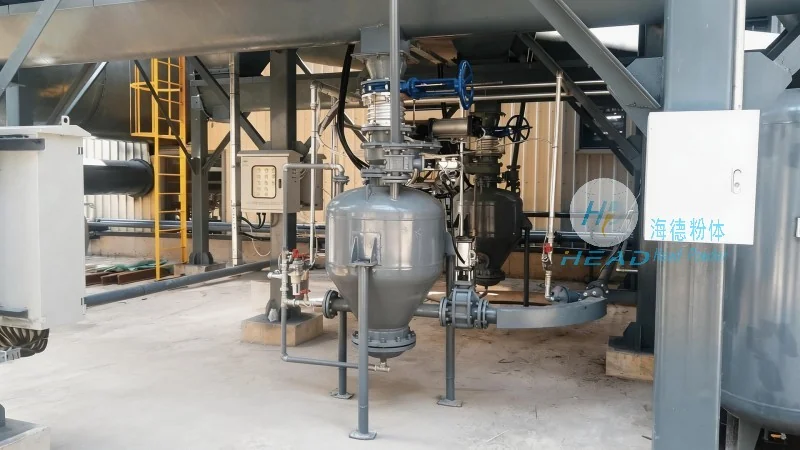
System Overview and Core Components
A cotton fiber pneumatic conveying system typically consists of several critical components, including a hopper for material storage, a feeder to control material flow, a conveying line with appropriate ductwork, and a receiver for the discharged material. The choice of components is crucial as they directly impact the system's efficiency, energy consumption, and maintenance requirements. For instance, the hopper design must account for the bulk density and flow characteristics of cotton fibers to prevent bridging or arching, which can lead to material flow disruptions. The feeder, often a rotary valve or a screw feeder, must be selected based on the material's bulk density and flowability to ensure consistent and controlled material discharge. As a leading provider of engineering solutions, Shandong HeadPowder Engineering Co., Ltd. specializes in designing customized systems that address these challenges, ensuring optimal performance for cotton fiber applications.
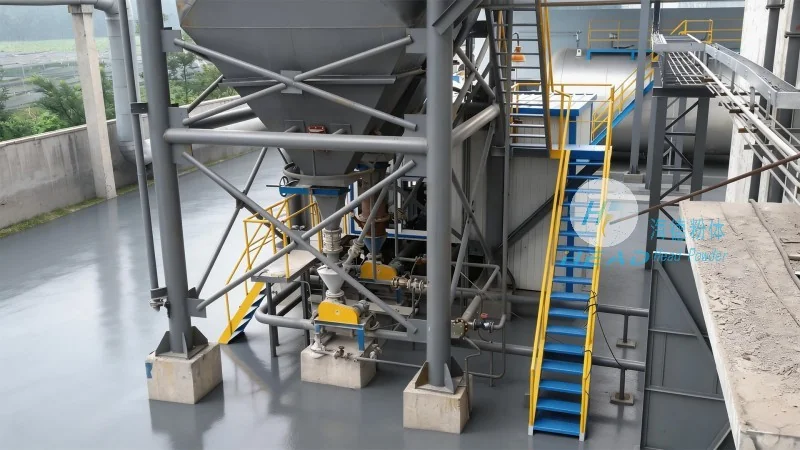
Material Properties and Their Impact on System Design
Cotton fibers exhibit unique physical and chemical properties that affect pneumatic conveying. These properties include low bulk density, high moisture content, and varying lengths and diameters. The low bulk density means that a larger volume of material is required to achieve the desired mass flow rate, which in turn influences the size of the hopper and the conveying line diameter. High moisture content can lead to material caking or blockages, necessitating the inclusion of drying or conditioning steps in the system design. Additionally, the varying fiber lengths and diameters can affect the system's pressure drop and the risk of particle separation or degradation. Engineers must consider these factors when selecting the appropriate air velocity, duct size, and filter system to maintain system efficiency and prevent equipment damage. The expertise of Shandong HeadPowder Engineering Co., Ltd. in material characterization and system design ensures that these factors are addressed effectively, resulting in systems that are tailored to the specific needs of cotton fiber processing.
Selection of Conveying Air Velocity and Duct Size
The air velocity in a pneumatic conveying system is a critical parameter that determines the system's capacity and energy consumption. Too low an air velocity may result in insufficient material transport, leading to blockages or system inefficiencies. Conversely, excessively high air velocity can increase energy costs and cause excessive wear on components. The optimal air velocity is typically determined by the material's properties, such as its bulk density and particle size distribution. For cotton fibers, a common range for air velocity is between 15 to 25 meters per second, depending on the system's design and operational requirements. The duct size is also a key factor, as it must be large enough to accommodate the material flow without causing excessive pressure drop. Proper duct sizing ensures that the system operates within its designed parameters, minimizing energy consumption and maximizing material throughput. Shandong HeadPowder Engineering Co., Ltd. employs advanced computational fluid dynamics (CFD) simulations to optimize duct design, ensuring that the system achieves the desired performance while minimizing energy usage.
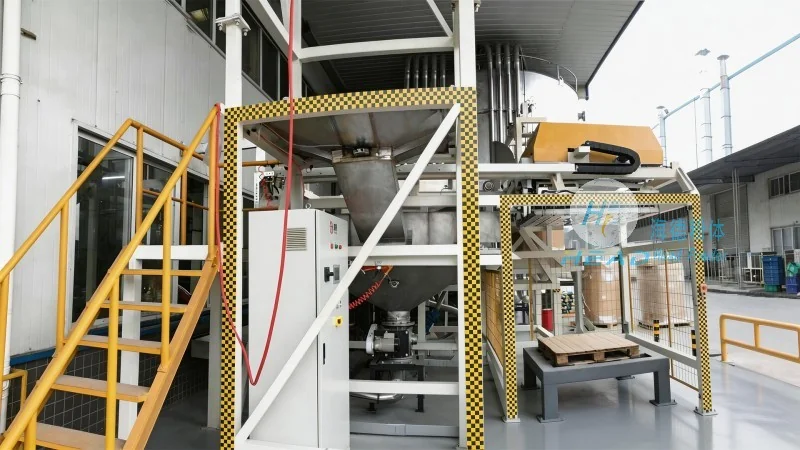
Filter and Dust Collection System Design
Due to the fine nature of cotton fibers, a robust filter and dust collection system is essential to prevent dust emissions and maintain air quality. The filter system must be capable of capturing fine particles and preventing them from being released into the environment. Common filter types include bag filters and cartridge filters, which are effective in capturing sub-micron particles. The design of the filter system should consider the system's airflow rate, the material's dust generation rate, and the required filtration efficiency. Additionally, the system should include a dust removal mechanism, such as a cyclone separator or a baghouse, to ensure that the collected dust is properly disposed of or recycled. Proper maintenance of the filter system is also crucial to prevent pressure drop increases and system inefficiencies. Shandong HeadPowder Engineering Co., Ltd. designs filter systems that are easy to access and maintain, reducing downtime and ensuring consistent filtration performance.




