

What is Activated Carbon Bulk Material Pneumatic Conveying? What Are the Design Principles?
Activated carbon bulk material pneumatic conveying is a specialized method used in industrial processes to transport activated carbon and other bulk materials through a pipeline system using air or other gas as the conveying medium. This technology is essential for efficiently moving activated carbon, which is widely used in filtration, adsorption, and purification applications, from storage or processing units to the point of use. The design principles of such systems are critical to ensure reliable, efficient, and cost-effective operation, considering factors like material properties, system pressure, and energy consumption.
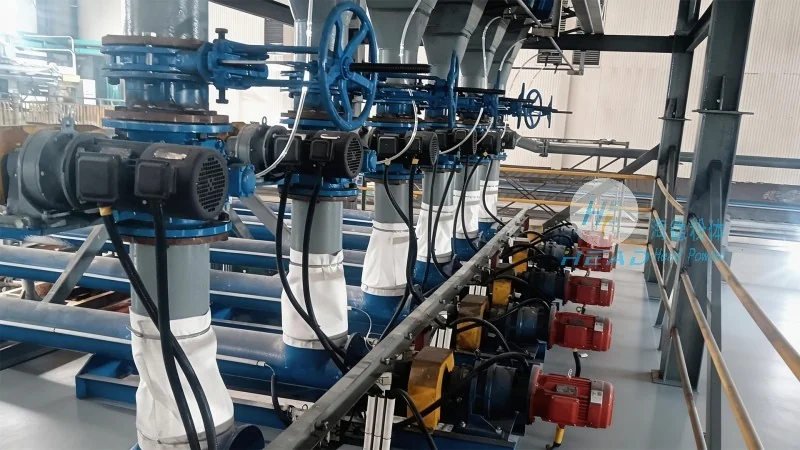
Understanding Activated Carbon Bulk Material Pneumatic Conveying
At its core, pneumatic conveying involves the use of a pressurized or vacuum system to move bulk solids through a pipeline. For activated carbon, which is typically a fine to medium-grained material with specific density and flow characteristics, the design must account for its tendency to agglomerate or create dust, which can affect system performance and maintenance. The conveying process can be categorized into two main types: pressure and vacuum systems. Pressure systems use positive pressure to push material through the line, while vacuum systems use negative pressure to draw material in. Each type has its own advantages and is selected based on the specific application requirements, including the distance, elevation changes, and material handling needs.
Key Design Principles for Activated Carbon Pneumatic Conveying Systems
The design of an activated carbon pneumatic conveying system involves several critical principles to ensure optimal performance. First, the selection of the conveying line diameter is crucial. The diameter must be large enough to prevent excessive pressure drop and material buildup, while also considering the flow rate and material velocity. Typically, larger diameters are preferred for higher flow rates to minimize friction losses. Second, the air velocity within the pipeline is a key parameter. It must be high enough to keep the material suspended and prevent settling but low enough to avoid excessive wear on the system components and to minimize energy consumption. The optimal air velocity is often determined through calculations based on the material's properties, such as particle size, density, and flowability.
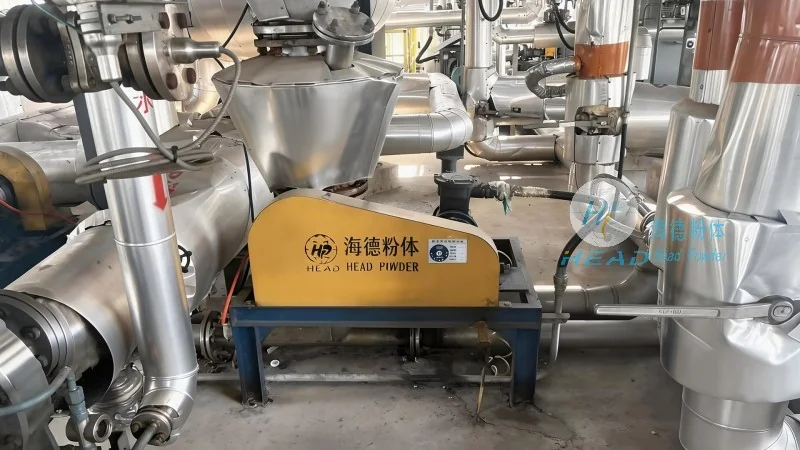
Third, the system pressure is another critical design factor. Pressure systems operate at pressures ranging from low to high, depending on the conveying distance and elevation. High-pressure systems are suitable for long-distance or high-elevation conveying, while low-pressure systems are more common for shorter distances or horizontal transport. Vacuum systems, on the other hand, rely on suction to draw material, which is generally more suitable for shorter distances and lower elevations. The choice of pressure or vacuum depends on the specific operational constraints and the material's characteristics.
Material Handling Considerations in Activated Carbon Conveying
Activated carbon has unique material properties that influence the design and operation of pneumatic conveying systems. Its high adsorption capacity and fine particle size make it prone to dust generation and agglomeration, which can lead to blockages or reduced system efficiency. Therefore, the design must incorporate features to manage these issues, such as using appropriate filters to prevent dust from escaping into the environment and employing vibration or agitation devices to break up agglomerates. Additionally, the material's density and flowability affect the required air velocity and pressure, as denser materials may need higher air velocities to maintain suspension. The system must also be designed to handle variations in material feed rate, ensuring that the conveying capacity matches the production requirements without causing overloading or underloading.
System Components and Their Roles in Activated Carbon Pneumatic Conveying
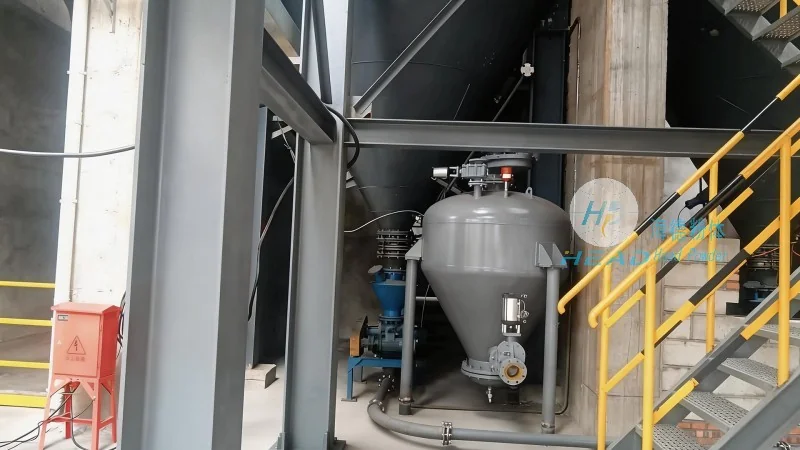
An activated carbon pneumatic conveying system consists of several key components, each playing a vital role in the overall operation. The feed hopper is the initial component where the activated carbon is loaded. It must be designed to prevent material bridging or caking, which can impede the flow. The feeder, typically a rotary valve or a screw feeder, controls the material feed rate into the conveying line. The air compressor or vacuum pump provides the necessary pressure or suction to move the material. The pipeline itself is made of materials resistant to the corrosive properties of activated carbon and the abrasive effects of the material particles. The receiver or discharge hopper collects the material at the end of the conveying line, and it may include features like a dust collector to capture any fines that escape during the process. Each component must be carefully selected and sized to ensure the system operates efficiently and reliably, with minimal maintenance requirements.
Advantages and Applications of Activated Carbon Pneumatic Conveying
Activated carbon bulk material pneumatic conveying offers several advantages over traditional methods like belt conveyors or bucket elevators. It provides a closed system, which helps in controlling dust emissions and maintaining a clean working environment. This is particularly important for activated carbon, which is often used in applications where dust control is critical, such as in water treatment or air purification. The system is also flexible, allowing for changes in the conveying route or capacity without major modifications. Additionally, it can handle materials with varying properties, including those that are difficult to handle with other methods. The applications of this technology are widespread, including the transportation of activated carbon from storage silos to processing units, from production lines to packaging areas, and from one processing stage to another in industrial facilities. The efficiency and reliability of pneumatic conveying make it an ideal solution for industries that require consistent and high-quality material transport.
Conclusion: The Importance of Proper Design in Activated Carbon Pneumatic Conveying
In conclusion, the design principles of activated carbon bulk material pneumatic conveying are essential for ensuring the efficient and reliable operation of industrial systems. By carefully considering factors such as material properties, system pressure, air velocity, and component selection, engineers can design systems that meet the specific needs of their applications. The use of pneumatic conveying for activated carbon not only improves operational efficiency but also enhances safety and environmental compliance. As a result, it remains a preferred method for transporting activated carbon in various industrial sectors. The expertise of companies like Shandong HeadPowder Engineering Co., Ltd., with their focus on tailored solutions for bulk material handling, plays a crucial role in implementing effective pneumatic conveying systems that meet the demands of modern industrial processes.