For construction projects that require efficient and reliable material transport, the selection and design of a concrete pneumatic conveying system are critical factors in ensuring project success. A well-designed system not only enhances operational efficiency but also minimizes downtime and maintenance costs. This article outlines the key design considerations for concrete pneumatic conveying systems, providing insights into the technical and practical aspects that engineers and project managers should evaluate when planning such systems.
Understanding Concrete Pneumatic Conveying Systems
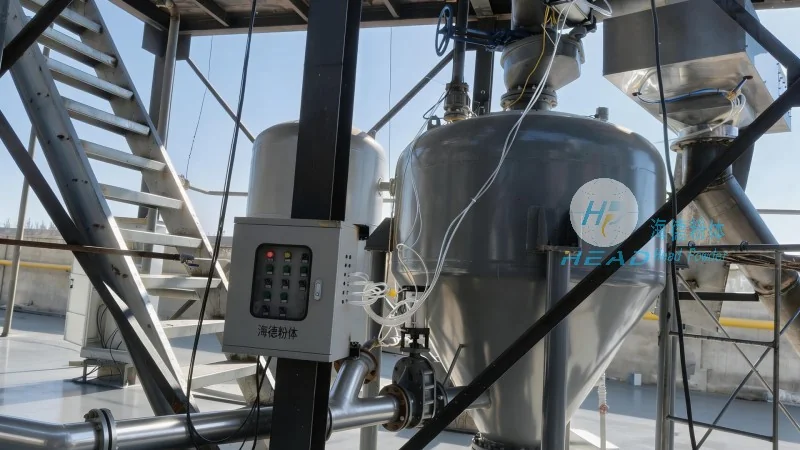
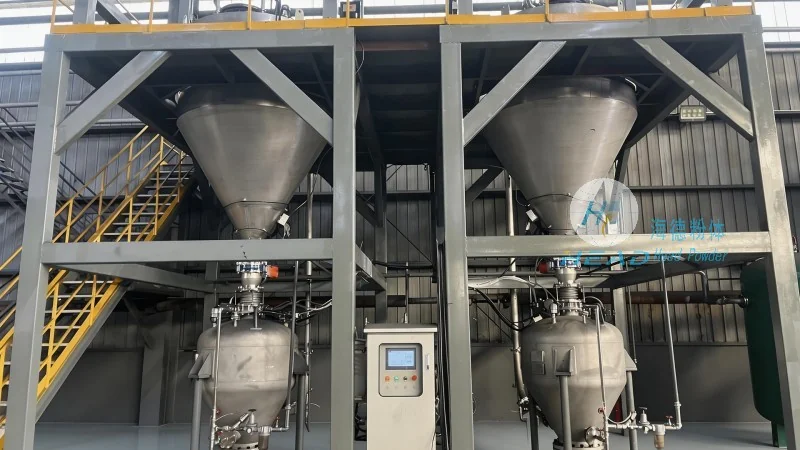
Concrete pneumatic conveying systems utilize air pressure to transport concrete mixtures from a source to a destination. Unlike traditional methods like belt conveyors or trucks, these systems offer advantages such as flexibility in layout, reduced space requirements, and the ability to handle materials in challenging environments. The core components of a typical system include a hopper for material storage, a conveyor line, a blower or compressor to generate airflow, and a control system to regulate the process. Each component plays a vital role in the overall performance and reliability of the system.
Key Design Considerations for System Layout and Integration
The layout of a concrete pneumatic conveying system must be carefully planned to accommodate the project's spatial constraints and operational requirements. Factors such as the distance between the source and destination, vertical and horizontal elevation changes, and the presence of obstacles or existing infrastructure need to be considered. The system should be designed to minimize the number of bends and changes in direction, as excessive bends can lead to material degradation or blockages. Additionally, the integration of the system with other construction equipment, such as mixers or pumps, should be seamless to ensure smooth material flow and avoid bottlenecks.
Material Characteristics and System Sizing
The properties of the concrete being conveyed, including its density, viscosity, and particle size distribution, significantly impact the system's design. Engineers must consider the material's flowability and how it behaves under air pressure. For example, high-density or highly viscous concrete may require a higher air velocity or a larger conveyor line diameter to ensure proper transport. The system's capacity, measured in cubic meters per hour or tons per hour, must be matched to the project's production rate to avoid underutilization or overloading. Proper sizing of the blower or compressor is also essential to maintain the required air pressure and flow rate throughout the conveying process.
Control System and Automation
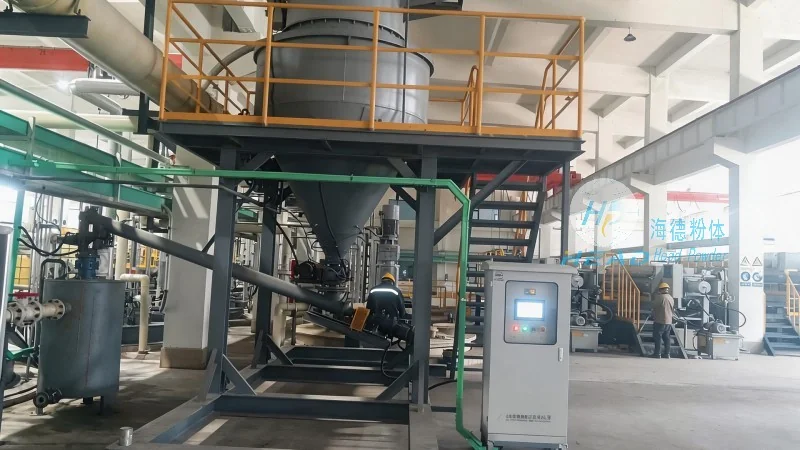
Modern concrete pneumatic conveying systems rely on advanced control systems to optimize performance and ensure safety. These systems typically include sensors to monitor pressure, flow rate, and material level, as well as programmable logic controllers (PLCs) to regulate the blower speed and conveyor operation. Automation features, such as automatic start-up and shut-down sequences, help reduce human intervention and prevent operational errors. The control system should also include alarms and safety interlocks to detect and respond to potential issues, such as blockages or excessive pressure, promptly. This not only enhances operational efficiency but also improves workplace safety by minimizing the risk of accidents.
Material Handling and Wear Management
Concrete is abrasive and can cause significant wear on system components over time. Therefore, the design of the conveying system must account for wear resistance in key parts, such as the hopper, conveyor line, and blower housing. Using materials like stainless steel, high-chrome alloy, or specialized coatings can extend the lifespan of these components and reduce maintenance frequency. Regular inspection and maintenance of wear parts are also crucial to prevent unexpected failures and maintain system reliability. Additionally, the system should be designed with features that facilitate easy cleaning and maintenance, such as removable liners or access panels, to minimize downtime and keep the system in optimal condition.
Environmental and Safety Considerations
Concrete pneumatic conveying systems must comply with environmental and safety regulations to ensure they operate in an environmentally responsible and safe manner. The system should be designed to minimize dust emissions, as concrete is a fine particulate material that can be harmful if inhaled. Dust collection systems, such as cyclones or baghouses, can be integrated into the system to capture and filter the air before it is released into the environment. Safety considerations include protecting personnel from high-pressure air and moving parts, as well as ensuring proper ventilation in enclosed areas. The system should also be equipped with emergency stop buttons and other safety devices to prevent accidents and protect workers.
Cost-Benefit Analysis and Long-Term Viability
When designing a concrete pneumatic conveying system, a comprehensive cost-benefit analysis is essential to evaluate the long-term viability of the investment. This analysis should consider not only the initial capital costs of the system but also the ongoing operational and maintenance expenses. Factors such as energy consumption, material waste, and downtime should be included in the cost assessment. A well-designed system should provide a high return on investment by reducing labor costs, minimizing material loss, and improving overall project efficiency. Additionally, the system's scalability and adaptability to future project needs should be considered to ensure it remains a viable solution as the construction project evolves.
Conclusion
Designing a concrete pneumatic conveying system requires a thorough understanding of the material properties, operational requirements, and technical constraints of the project. By considering the key design aspects outlined in this article, engineers and project managers can develop a system that is efficient, reliable, and cost-effective. The expertise of companies like Shandong HeadPowder Engineering Co., Ltd., with their focus on innovative solutions and adherence to industry standards, can be invaluable in ensuring the successful implementation of such systems. With careful planning and execution, concrete pneumatic conveying systems can significantly enhance the productivity and success of construction projects worldwide.




