HeadPowder, a leading manufacturer based in Shandong, China, specializes in the design and production of advanced pneumatic conveying systems, particularly those tailored for magnesia handling. This article provides an overview of magnesia pneumatic conveying equipment, detailing its structural components and operational principles to help users understand its functionality and application in industrial settings.
Company Profile and Expertise
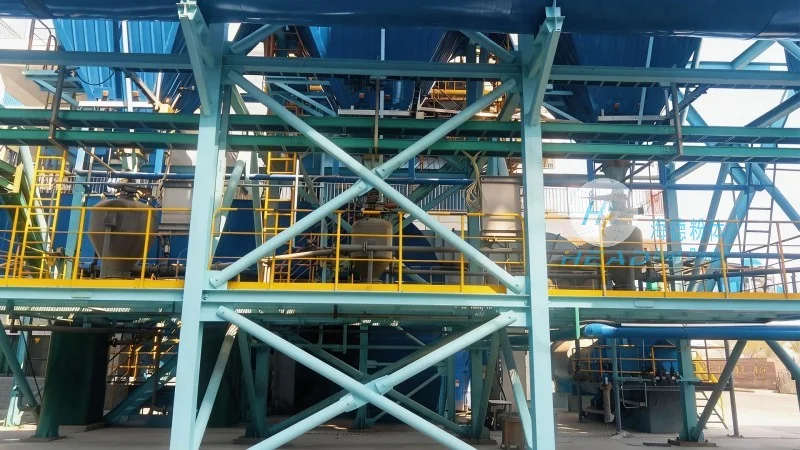
HeadPowder Engineering Co., Ltd. is a professional enterprise dedicated to the research, development, and manufacturing of pneumatic conveying solutions. With a strong presence in Shandong, China, the company leverages years of industry experience to deliver high-quality equipment for various bulk material handling needs. The company’s commitment to innovation and precision engineering ensures that its products meet the demanding requirements of modern industrial processes, particularly in the handling of materials like magnesia, which is widely used in refractory production and other applications.
What is Magnesia Pneumatic Conveying Equipment?
Magnesia pneumatic conveying equipment is a type of industrial system designed to transport magnesia powder or granules through a pipeline using air or gas as the conveying medium. This method offers several advantages over traditional mechanical conveying systems, including reduced equipment wear, lower maintenance costs, and the ability to handle materials in a dust-free environment. The equipment is essential for industries that require efficient and safe transportation of magnesia, a key component in refractory materials, ceramic production, and other manufacturing processes.
Key Structural Components of Magnesia Pneumatic Conveying Systems
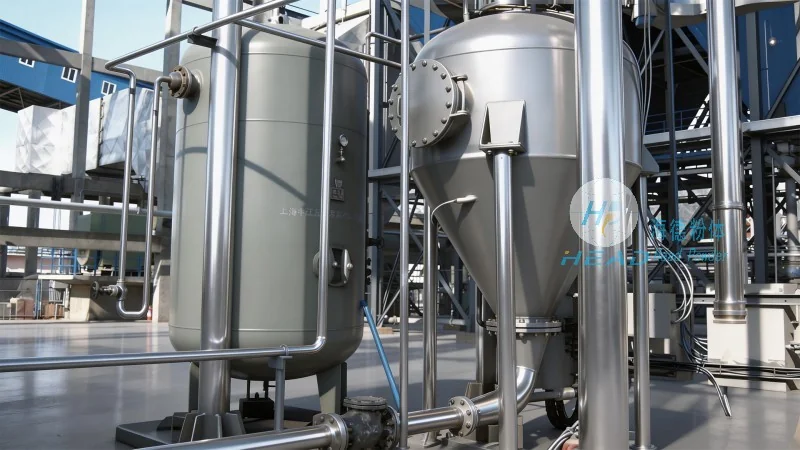
Typical magnesia pneumatic conveying systems consist of several critical components that work together to ensure efficient material transport. These components include the material hopper, which stores the magnesia and provides a controlled feed to the system; the air compressor or blower, which generates the air pressure needed to move the material; the conveying pipeline, which transports the material from the hopper to the discharge point; and the control valves and regulators, which manage the air flow and pressure to maintain optimal conveying conditions. Additionally, the system may include filters and dust collectors to ensure air quality and prevent material loss, as well as safety features such as pressure relief valves to protect against over-pressurization.
Working Principle of Magnesia Pneumatic Conveying
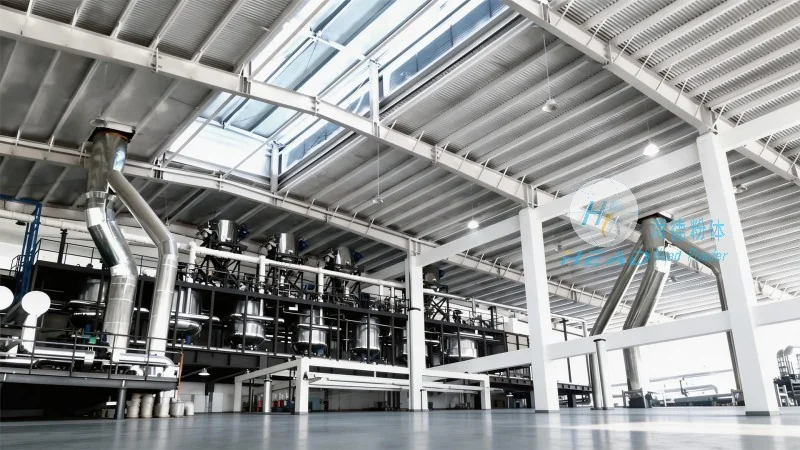
The operation of a magnesia pneumatic conveying system involves several steps. First, the magnesia is fed from the hopper into the conveying pipeline. Simultaneously, the air compressor supplies compressed air into the pipeline. As the air flows through the pipeline, it creates a low-pressure zone that draws the magnesia particles into the air stream. The combination of air and material forms a dense mixture, which is then transported through the pipeline to the discharge point. At the discharge end, the air and material are separated, with the magnesia collected in a receiving hopper or container, and the air either returned to the system or released to the atmosphere after filtration. This process allows for continuous and efficient handling of magnesia, minimizing downtime and improving overall productivity.
Advantages of Using Magnesia Pneumatic Conveying Equipment
Implementing magnesia pneumatic conveying equipment offers numerous benefits for industrial operations. One of the primary advantages is the reduction in material handling costs, as the system eliminates the need for manual labor and reduces equipment wear compared to mechanical systems. Additionally, the dust-free operation of pneumatic conveying helps maintain a cleaner working environment, improving safety and reducing the risk of material contamination. The system also allows for flexible and scalable material transport, as the pipeline can be extended or modified to accommodate changing production needs. Furthermore, the ability to handle fine or abrasive materials like magnesia without causing excessive wear on components makes pneumatic conveying a reliable choice for long-term use.
Applications and Industries Served
Magnesia pneumatic conveying equipment is widely used in various industries that rely on the efficient handling of magnesia. Key applications include the refractory industry, where magnesia is used as a raw material for producing refractory bricks and other products. The equipment is also utilized in ceramic manufacturing, where magnesia is incorporated into glazes and other components. Additionally, industries involved in chemical processing, metal foundries, and construction materials production benefit from the ability to transport magnesia efficiently and safely. The versatility of the system makes it suitable for a range of applications, from small-scale laboratory operations to large-scale industrial production lines.
Maintenance and Operational Considerations
To ensure the optimal performance and longevity of magnesia pneumatic conveying equipment, regular maintenance is essential. This includes checking and replacing air filters to maintain air quality, inspecting the conveying pipeline for blockages or wear, and monitoring the air compressor for proper operation. Additionally, the system should be cleaned regularly to prevent material buildup and ensure smooth operation. Proper training of operators on the safe and efficient use of the equipment is also crucial to prevent accidents and maintain system efficiency. By following these maintenance and operational guidelines, users can maximize the lifespan of their magnesia pneumatic conveying systems and minimize downtime.
Conclusion
Magnesia pneumatic conveying equipment is a vital component in modern industrial operations, providing efficient, safe, and cost-effective solutions for handling magnesia and other bulk materials. With its advanced structural design and operational principles, the equipment offers numerous advantages over traditional conveying methods, making it an ideal choice for industries that require reliable and flexible material transport. HeadPowder Engineering Co., Ltd., based in Shandong, China, continues to lead in the development of such systems, delivering high-quality products that meet the evolving needs of the industry. By understanding the components and working principles of magnesia pneumatic conveying equipment, users can make informed decisions about implementing this technology in their operations, ultimately enhancing productivity and operational efficiency.




