When it comes to material handling in industrial settings, the efficiency and reliability of the equipment used can significantly impact operational productivity. One such specialized system is the expanded clay aggregate pneumatic conveying system, which has become a crucial component in many manufacturing and processing applications. This article aims to provide a comprehensive overview of what this system entails and the fundamental design principles that govern its operation.
Understanding the Expanded Clay Aggregate Pneumatic Conveying System
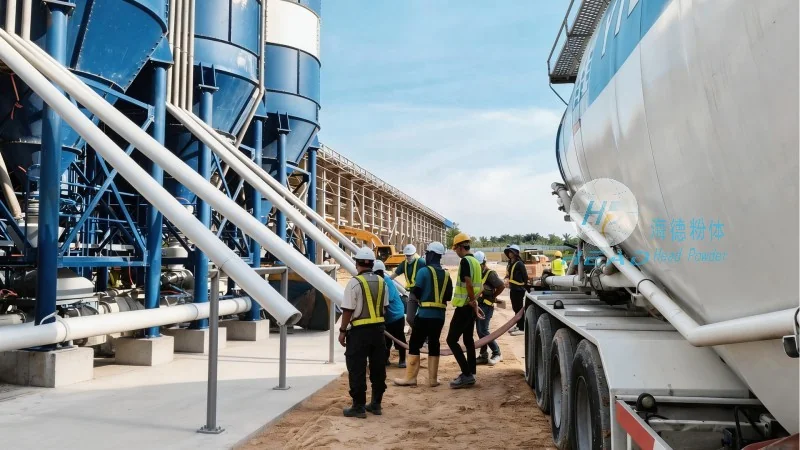
The expanded clay aggregate pneumatic conveying system is a type of pneumatic conveying equipment designed to transport loose bulk materials, such as expanded clay aggregates, through a pipeline using compressed air or other gas streams. Unlike traditional mechanical conveyors, this system relies on the principles of fluidization and air movement to move materials from one location to another. The system typically consists of several key components, including a hopper for material storage, a feeder to control the flow rate, a conveying line, and a receiver or discharge point. This equipment is widely used in various industrial applications and is often designed and manufactured by companies like Shandong HeadPowder Engineering Co., Ltd. to ensure optimal performance and reliability.
Expanded clay aggregates, also known as lightweight aggregates, are a type of artificial or natural lightweight aggregate made from clay that has been expanded through a heating process. These aggregates are widely used in construction, horticulture, and other industries due to their lightweight properties and excellent thermal insulation characteristics. The pneumatic conveying system is particularly well-suited for handling these materials because they are often fine, powdery, or granular, making traditional conveying methods less effective.
Key Components of the Pneumatic Conveying System
The design of an expanded clay aggregate pneumatic conveying system involves several critical components that work in tandem to ensure smooth operation. The first component is the material hopper, which serves as the storage container for the expanded clay aggregates. This hopper is usually equipped with a lid to prevent contamination and a discharge valve to control the flow of material into the system. The hopper's design is crucial as it must be able to handle the bulk density and flow characteristics of the aggregates without causing blockages or uneven discharge.
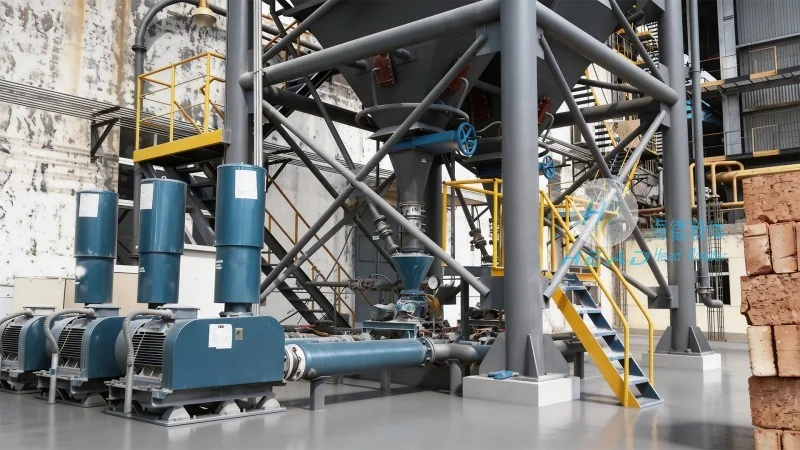
Next, the feeder plays a vital role in regulating the flow rate of the material into the conveying line. There are different types of feeders, such as rotary valves, screw feeders, or vibratory feeders, each suited to different material properties and flow rates. The choice of feeder depends on factors like the material's moisture content, particle size distribution, and the desired discharge rate. In the case of expanded clay aggregates, a rotary valve or a screw feeder is often preferred due to their ability to handle fine particles without clogging.
The conveying line itself is a crucial part of the system, typically made of metal or plastic pipes. The diameter and length of the line are carefully selected based on the material's flow characteristics and the required conveying distance. The line is usually equipped with bends and elbows to direct the material along the desired path. To ensure efficient transport, the system may include pressure vessels or airlocks at strategic points to maintain consistent air pressure and prevent backflow.
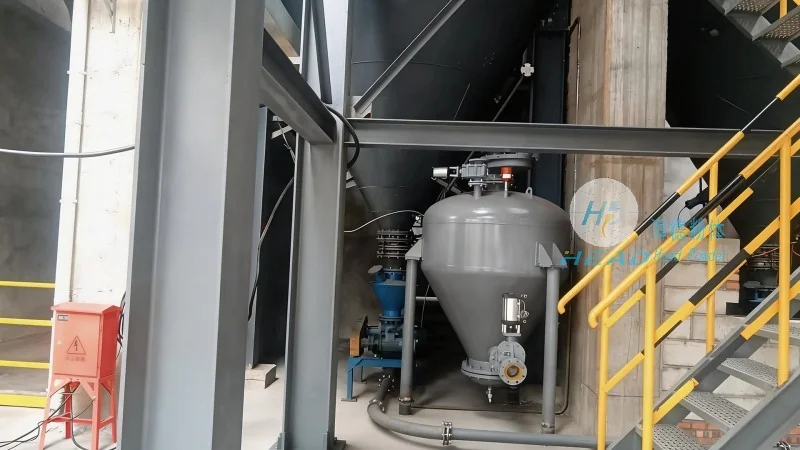
The receiver or discharge point is the final component where the material is deposited. This can be a storage silo, a processing unit, or any other destination where the material is needed. The receiver is designed to handle the material's discharge without causing spillage or blockage. In some systems, a dust collector or filter may be integrated to capture any fine particles that escape during the conveying process, ensuring compliance with environmental regulations and maintaining a clean working environment.
Design Principles Governing the System's Operation
The design principles of an expanded clay aggregate pneumatic conveying system are based on several fundamental concepts that ensure the system operates efficiently and reliably. The first principle is the principle of fluidization, which involves creating a fluid-like state in the material by introducing air or gas into the conveying line. This fluidization allows the material to be transported as a slurry or suspension, reducing friction and allowing for smooth movement through the pipeline.
Another key principle is the Bernoulli effect, which relates to the pressure drop and velocity changes within the conveying line. As air moves through the line, it creates a pressure differential that helps move the material along. The design of the system must account for the pressure drop across each component, ensuring that sufficient air pressure is maintained throughout the conveying process. This involves selecting appropriate pipe diameters, minimizing bends and fittings, and using efficient air distribution systems.
The third principle is the concept of velocity and flow rate control. The velocity of the air in the conveying line must be sufficient to lift and transport the material without causing excessive wear on the system components or degradation of the material. The flow rate is controlled by the feeder and the system's pressure, and it must be optimized to prevent material settling or blockages. Proper velocity control also helps in reducing energy consumption and extending the lifespan of the system.
Additionally, the design must consider the material's properties, such as its bulk density, particle size, and moisture content. These factors influence the system's capacity and the required air pressure. For expanded clay aggregates, which are typically lightweight and fine, the system may need to operate at higher air velocities to maintain efficient transport. The design must also account for the potential for material segregation or agglomeration, which can affect the system's performance and require additional measures like mixing or vibration.
Applications and Benefits of the System
The expanded clay aggregate pneumatic conveying system is widely used in various industries due to its versatility and efficiency. In the construction industry, it is used to transport lightweight aggregates for concrete production, providing a consistent and uniform material feed. In horticulture, it is employed to move expanded clay aggregates for soil mixing and potting media preparation, ensuring that the material is delivered to the production line without manual handling. The system is also used in the chemical and pharmaceutical industries for transporting fine powders and granules, where contamination control and material integrity are critical.
One of the primary benefits of this system is its ability to handle fine and dusty materials without the need for mechanical components that can cause wear and tear. The pneumatic conveying method reduces the risk of material degradation and contamination, as the material is enclosed within the pipeline and protected from external factors. Additionally, the system is relatively compact and can be installed in tight spaces, making it suitable for facilities with limited floor space.
Another advantage is the system's flexibility in terms of conveying distance and layout. The pipeline can be arranged in various configurations, including vertical, horizontal, or a combination of both, to suit the specific needs of the facility. This flexibility allows for easy integration into existing production lines and can be expanded or modified as the facility's requirements change. The system also offers high material throughput, which can significantly increase production efficiency compared to traditional conveying methods.
Furthermore, the expanded clay aggregate pneumatic conveying system is energy-efficient compared to other conveying methods, especially when properly designed and operated. The use of compressed air as the driving force allows for precise control of the material flow, reducing energy waste. The system's low maintenance requirements also contribute to its overall cost-effectiveness, as fewer mechanical parts mean less downtime and lower repair costs.
Conclusion
In conclusion, the expanded clay aggregate pneumatic conveying system is a sophisticated piece of equipment designed to efficiently transport lightweight aggregates through a pipeline using compressed air. The system's design is based on fundamental principles of fluidization, pressure dynamics, and material properties, ensuring reliable and efficient operation. With its ability to handle fine and dusty materials, compact design, and energy efficiency, this system has become an essential component in many industrial applications. As technology advances, the design and performance of these systems continue to improve, offering even greater efficiency and reliability for material handling needs.




