HeadPowder, a leading enterprise in the field of material handling solutions, specializes in the design, manufacturing, and supply of advanced pneumatic conveying systems. This article provides an overview of gypsum particle pneumatic conveying equipment, detailing its structural components and operational principles to help users understand its functionality and benefits.
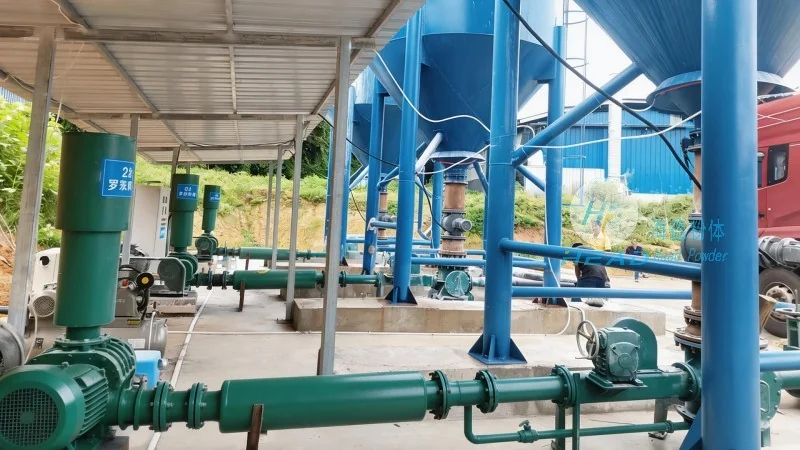
Company Profile: Shandong HeadPowder Engineering Co., Ltd.
HeadPowder, with its headquarters located in Shandong, China, is dedicated to delivering high-quality material handling equipment tailored to the needs of various industries. The company leverages years of expertise in pneumatic conveying technology to develop reliable and efficient systems for transporting bulk materials like gypsum particles. By focusing on innovation and customer-centric solutions, HeadPowder has established itself as a trusted partner in the material handling sector.
Purpose and Application of Gypsum Particle Pneumatic Conveying Equipment
Gypsum particle pneumatic conveying equipment is designed to transport dry, non-abrasive bulk materials such as gypsum powder or granules over short to medium distances. This technology is widely used in industries including construction, plastering, and industrial manufacturing, where the efficient and dust-free transfer of gypsum is critical. The equipment ensures minimal material degradation, low maintenance requirements, and compliance with environmental regulations, making it an ideal choice for applications requiring precise material handling.
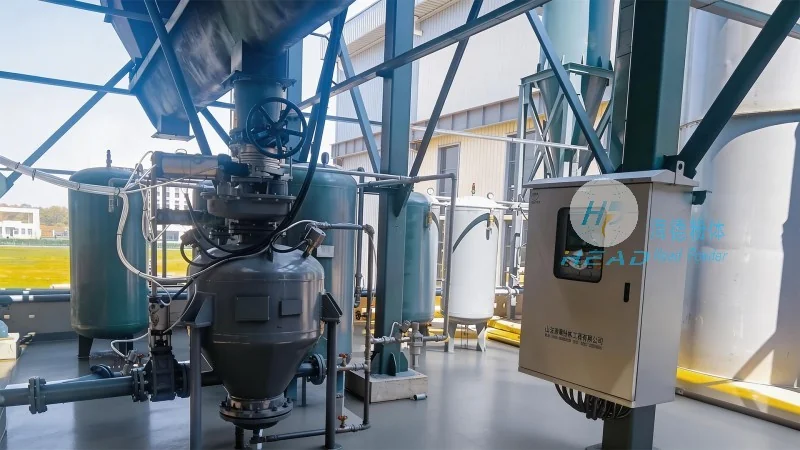
Structural Components and Working Principle
The gypsum particle pneumatic conveying system typically consists of several key components, each playing a vital role in the overall operation. The main structural elements include the hopper, which serves as the material storage and feeding unit; the conveying pipeline, which transports the gypsum particles under pressure; the air compressor or blower, which generates the necessary airflow; and the control system, which regulates the operation of the entire system. The working principle involves feeding gypsum particles into the hopper, where they are then drawn into the conveying pipeline by the airflow generated by the compressor. The particles are carried through the pipeline as a suspension, reaching the discharge point where they are deposited. The system operates on the principle of pneumatic transport, utilizing air pressure to move the material without the need for mechanical components like belts or screws.
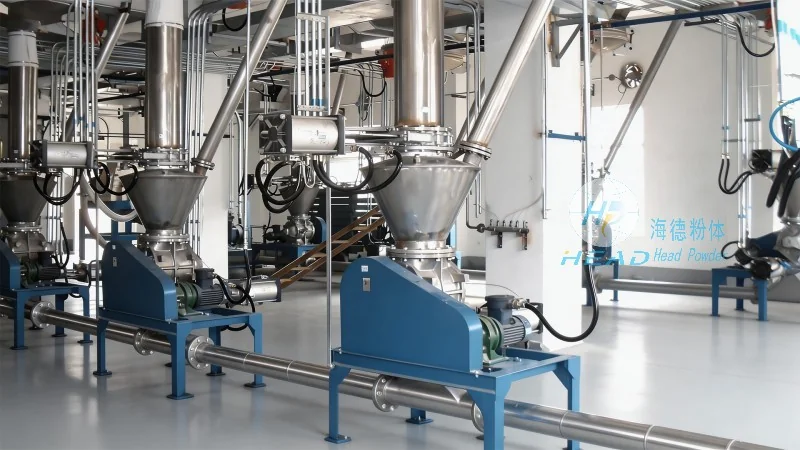
Key Features and Technical Advantages
HeadPowder's gypsum particle pneumatic conveying equipment offers several technical advantages that enhance its performance and reliability. One of the primary features is its ability to handle a wide range of particle sizes and moisture content, ensuring consistent operation even with varying material characteristics. The system is designed for low energy consumption, reducing operational costs while maintaining high efficiency. Additionally, the equipment is equipped with advanced control mechanisms that allow for precise regulation of airflow and material flow rates, minimizing material loss and optimizing process efficiency. The use of high-quality materials in the construction of the conveying pipeline and components ensures durability and resistance to corrosion, extending the equipment's service life.
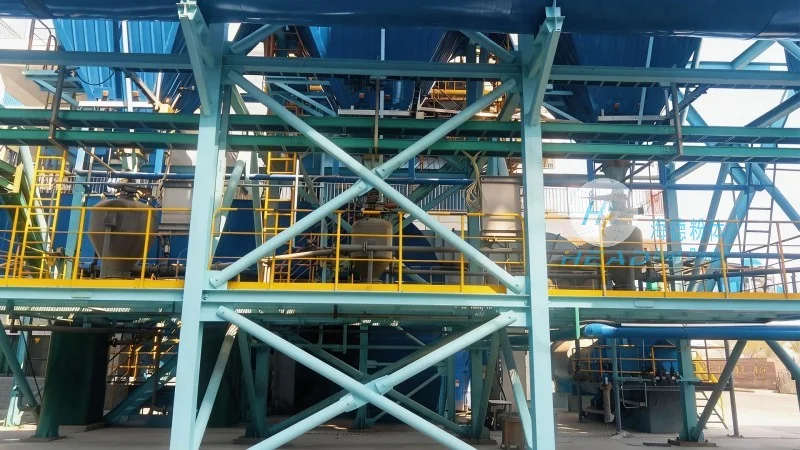
Installation and Maintenance Considerations
Proper installation and regular maintenance are crucial for the optimal performance of gypsum particle pneumatic conveying equipment. During installation, it is essential to ensure that the conveying pipeline is properly aligned and secured to prevent vibrations or leaks. The hopper and discharge point should be positioned to minimize material buildup and ensure smooth material flow. Regular maintenance involves checking the air compressor for proper operation, inspecting the conveying pipeline for blockages or wear, and cleaning the system to remove any accumulated dust or debris. By following recommended maintenance procedures, users can maximize the equipment's lifespan and maintain its efficiency over time.
Conclusion
Gypsum particle pneumatic conveying equipment from Shandong HeadPowder Engineering Co., Ltd. represents a reliable and efficient solution for transporting bulk materials in various industrial applications. With its robust structural design and advanced operational principles, the equipment offers significant benefits in terms of performance, cost-effectiveness, and environmental compliance. By understanding the structural components and working principles of this technology, users can make informed decisions about implementing pneumatic conveying systems in their operations, ultimately enhancing productivity and operational efficiency.




