HeadPowder, a leading manufacturer based in Shandong, China, specializes in the design, production, and supply of advanced pneumatic conveying systems tailored for the inorganic salt industry. With a strong commitment to engineering excellence and customer satisfaction, the company has established itself as a trusted partner for businesses seeking efficient and reliable material handling solutions.
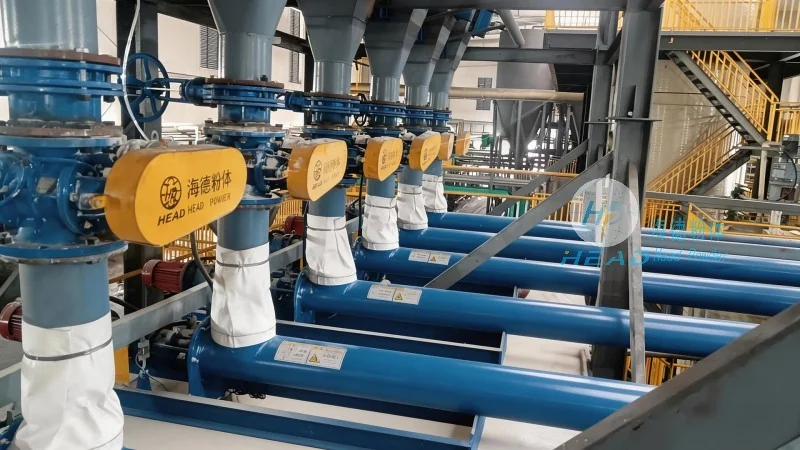
Overview of Inorganic Salt Pneumatic Conveying Equipment
Inorganic salt pneumatic conveying equipment is a critical component in modern industrial operations, enabling the safe and efficient transport of bulk materials such as sodium chloride, potassium chloride, and other mineral salts. This technology utilizes compressed air or gas to move powders and granules through a pipeline system, eliminating the need for traditional mechanical conveyors like belt or screw conveyors. The equipment is designed to handle various particle sizes and flow rates, making it suitable for a wide range of applications in chemical, food, and pharmaceutical industries.
Structural Design and Working Principle
The core structure of an inorganic salt pneumatic conveying system typically consists of several key components, including a hopper, feeder, air compressor, pipeline network, and discharge unit. The hopper serves as the storage vessel, where the inorganic salt is loaded and prepared for transport. The feeder, often a rotary valve or a screw feeder, regulates the flow of material into the pipeline, ensuring a consistent and controlled feed rate. The air compressor generates the necessary pressure to move the material through the system, while the pipeline network transports the material from the source to the destination. The discharge unit, such as a rotary valve or a dust collector, collects the material at the end of the pipeline, preventing dust and ensuring proper material handling.
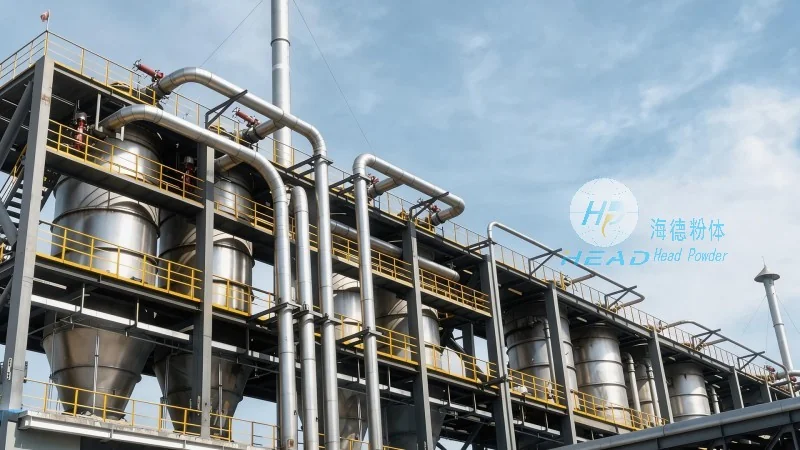
Working Principle of the Equipment
The operation of inorganic salt pneumatic conveying equipment is based on the principle of fluidization and suspension. When compressed air is introduced into the pipeline, it creates a low-pressure zone that lifts the material particles, causing them to become suspended in the air stream. This suspension allows the material to be transported through the pipeline at high speeds, often reaching velocities of 20-30 meters per second. The system can operate in both positive and negative pressure modes, depending on the application requirements. In positive pressure systems, the pipeline is pressurized, while in negative pressure systems, the pipeline is maintained at a lower pressure than the ambient environment. The choice of pressure mode depends on factors such as material properties, distance of transport, and environmental considerations.
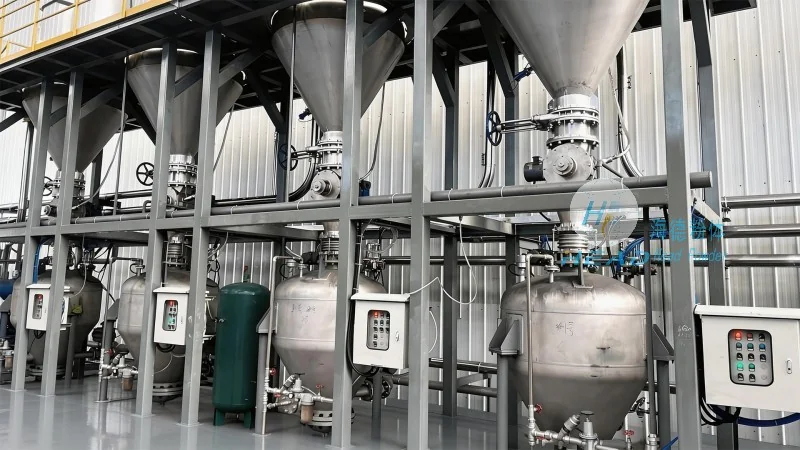
Advantages of Using Inorganic Salt Pneumatic Conveying Equipment
Compared to traditional mechanical conveyors, inorganic salt pneumatic conveying equipment offers several advantages. Firstly, it eliminates the need for moving parts in contact with the material, reducing wear and tear and maintenance costs. Secondly, it provides a dust-free and hygienic environment, which is crucial for industries such as food and pharmaceuticals where contamination control is essential. Thirdly, the system can handle materials with varying particle sizes and moisture content, making it versatile for different applications. Additionally, the equipment is compact and can be easily integrated into existing production lines, saving space and reducing installation costs.
Applications in the Inorganic Salt Industry
Inorganic salt pneumatic conveying equipment is widely used in various applications within the inorganic salt industry. For example, in the production of table salt, the equipment is used to transport raw salt from storage silos to processing plants. In the chemical industry, it is used to convey raw materials such as sodium chloride and potassium chloride to reactors and processing units. The equipment is also used in the food industry for the transport of salt used in food processing and packaging. Additionally, it is applied in the pharmaceutical industry for the handling of salt-based active ingredients and excipients, ensuring a clean and efficient production process.




