For manufacturers dealing with ceramic powders, understanding the efficient and reliable transportation of these materials is crucial. A ceramic powder material conveying line, also known as a powder handling system, is a specialized setup designed to move ceramic powders from one processing stage to another with precision and minimal loss. This article explores the fundamental aspects of such a system, focusing on its design principles and the key components that ensure optimal performance, as exemplified by the systems offered by Shandong HeadPowder Engineering Co., Ltd. (HeadPowder).
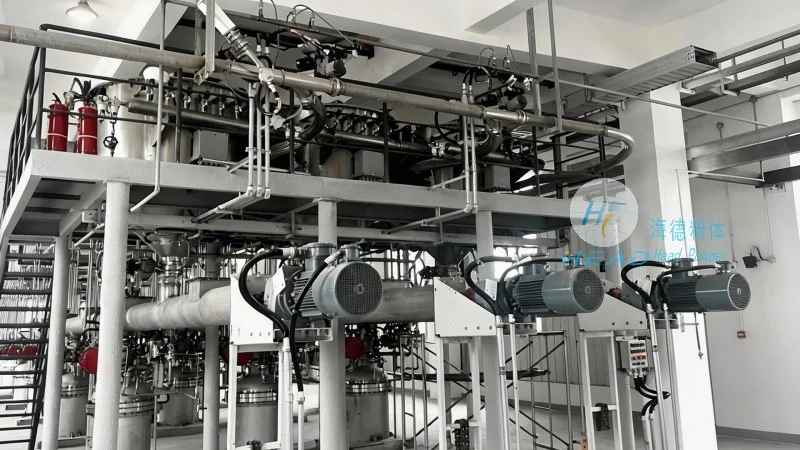
Understanding the Ceramic Powder Material Conveying Line
A ceramic powder material conveying line is a comprehensive system engineered to handle the unique properties of ceramic powders, which often include high fineness, sensitivity to moisture, and potential for caking or agglomeration. The system typically integrates various equipment such as feeders, conveyors, and control units to ensure a smooth and controlled flow of material. The primary goal is to maintain the integrity of the ceramic powder while minimizing contamination and ensuring consistent processing quality. HeadPowder specializes in designing these systems to meet the specific demands of industrial applications, where precision and reliability are non-negotiable.
Key Design Principles for Efficient Material Handling
The design of a ceramic powder conveying line is guided by several critical principles aimed at optimizing performance and reliability. First, the system must accommodate the specific characteristics of the ceramic powder, including its particle size distribution, density, and flowability. This involves selecting appropriate equipment like screw feeders or vibratory feeders that can handle the powder's properties without causing degradation. Second, the design emphasizes minimal material contact with surfaces to prevent contamination, which is vital for applications requiring high purity. This is often achieved through the use of stainless steel or specialized materials for the conveyor components. Third, the conveying line is designed for energy efficiency and operational simplicity. This includes optimizing the speed and capacity of the conveyor to match the production requirements, reducing energy consumption while maintaining throughput. Additionally, the system incorporates control mechanisms that allow for real-time monitoring and adjustment, ensuring that the flow rate and pressure remain within safe and effective parameters. The design also considers the need for easy maintenance and cleaning, as ceramic powders can be challenging to remove from equipment surfaces.
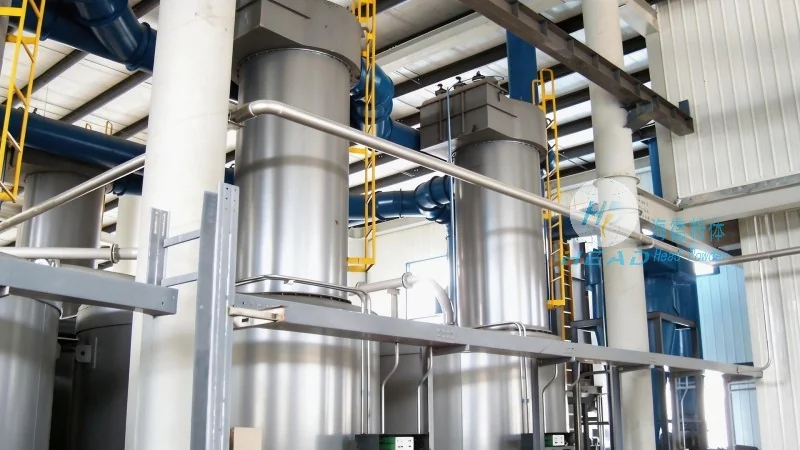
Core Components and Their Functions
The effectiveness of a ceramic powder material conveying line relies on several key components working in harmony. The primary components include feeders, conveyors, and control systems. Feeders, such as rotary or vibratory types, are responsible for accurately metering the ceramic powder into the conveying system. They ensure a consistent flow rate, which is essential for maintaining the quality of the final product. The conveyor itself, often a pneumatic or mechanical system, transports the powder from the feeder to the processing equipment. Pneumatic conveying systems use air to move the powder, which is ideal for fine powders as it minimizes particle degradation and contamination. Mechanical conveyors, like belt or screw conveyors, are used for bulkier or more abrasive powders, providing a more direct and robust transport method. These components are integral to the systems developed by HeadPowder, which specializes in creating customized powder handling solutions tailored to the unique needs of their clients.
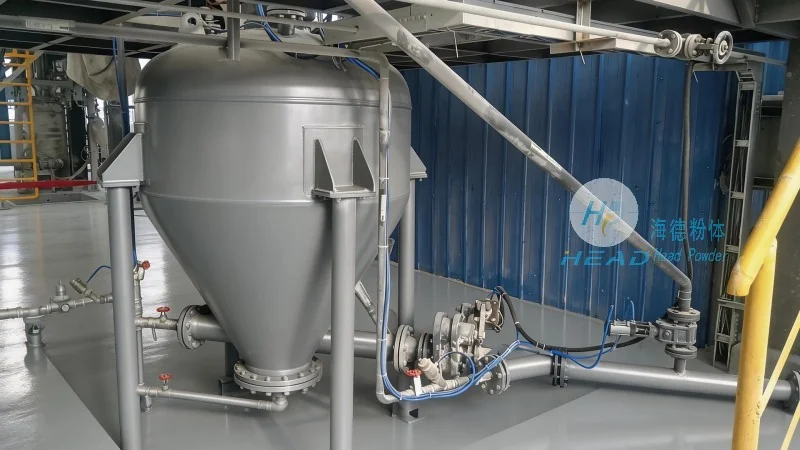
Control units play a crucial role in managing the entire system. These units monitor parameters such as pressure, flow rate, and temperature, and adjust the operation of the feeders and conveyors as needed. This automation ensures that the system operates efficiently and safely, preventing overloading or underflow conditions that could lead to equipment damage or material loss. The control system also includes safety features to protect operators and the equipment from potential hazards, such as overpressure or blockages. HeadPowder integrates advanced control technologies into their conveying lines to enhance operational stability and reduce downtime.
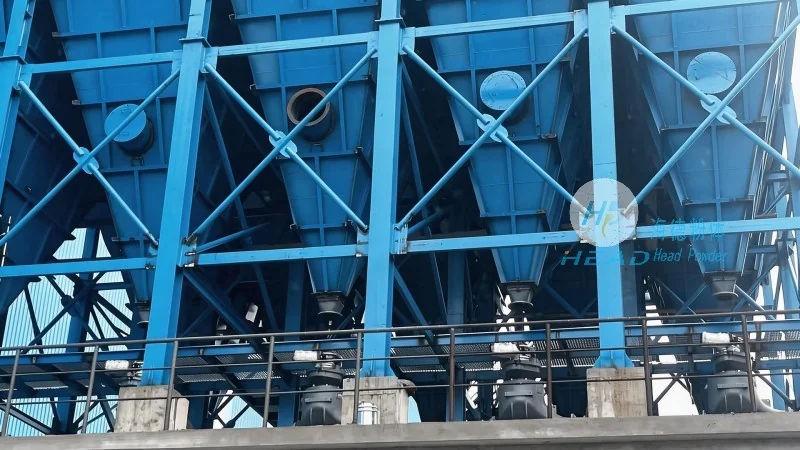
Applications and Benefits in Industrial Settings
Ceramic powder material conveying lines are widely used in various industrial applications, including the production of ceramics, electronics, and pharmaceuticals. In the ceramics industry, these systems are essential for transporting raw materials like clay and feldspar to the mixing and shaping stages. The ability to handle fine powders with precision ensures that the final ceramic products have consistent quality and properties. In the electronics industry, the conveying of ceramic powders is critical for manufacturing components like capacitors and sensors, where purity and uniformity are paramount. The benefits of using a well-designed conveying line include improved production efficiency, reduced material waste, and enhanced product quality.
Moreover, the design of these systems allows for scalability, enabling manufacturers to adjust the system's capacity to meet changing production demands. This flexibility is particularly valuable in industries where production volumes fluctuate or where new product lines are introduced. The reliability of the conveying line also contributes to overall operational stability, reducing downtime and maintenance costs. By adhering to the design principles outlined above, manufacturers can ensure that their ceramic powder handling systems operate effectively, supporting their production goals and maintaining high standards of quality. HeadPowder's expertise in ceramic powder conveying technology helps clients achieve these objectives through tailored solutions that align with their specific operational requirements.




