

High-Pressure Material Handling Systems: Exploring Their Design Principles and Applications
High-pressure material handling systems represent a sophisticated category of industrial equipment engineered to transport bulk materials with precision and efficiency. These systems are pivotal in various industries, including manufacturing, construction, and logistics, where the reliable movement of raw materials and finished products is critical to operational success. Understanding the core components and design principles behind these systems is essential for anyone involved in industrial operations or equipment selection.
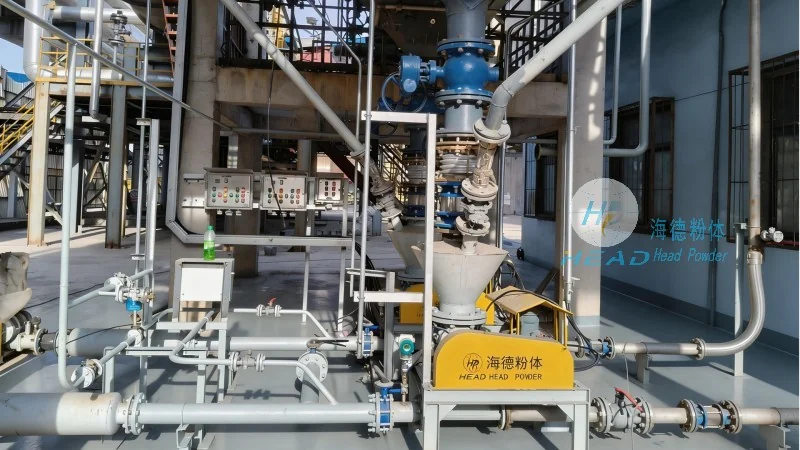
Understanding High-Pressure Material Handling Systems
At the heart of high-pressure material handling systems lies a specialized pump or compressor that generates the necessary force to move materials through pipelines or hoses. This pressure is typically achieved through mechanical means, such as reciprocating or centrifugal pumps, which can handle a wide range of materials, from powders and granules to liquids and slurry. The system’s design often incorporates robust components, including high-strength pipes, valves, and control mechanisms, to withstand the high pressures and ensure safe operation. The primary goal is to deliver materials over long distances or vertical elevations with minimal loss of pressure and consistent flow rates.
Key Design Principles in High-Pressure Material Handling
The design of high-pressure material handling systems adheres to several fundamental principles to ensure optimal performance and safety. One of the most critical is the selection of appropriate materials for the system’s components. High-pressure applications demand materials that can resist corrosion, wear, and high temperatures, such as stainless steel or specialized alloys. Additionally, the system’s layout and piping configuration are carefully planned to minimize pressure drops and maintain consistent flow, which is achieved through the use of smooth, unobstructed pipes and strategically placed valves for control. Another key principle is the integration of safety features, including pressure relief valves and monitoring systems, to prevent over-pressurization and ensure compliance with industrial safety standards.
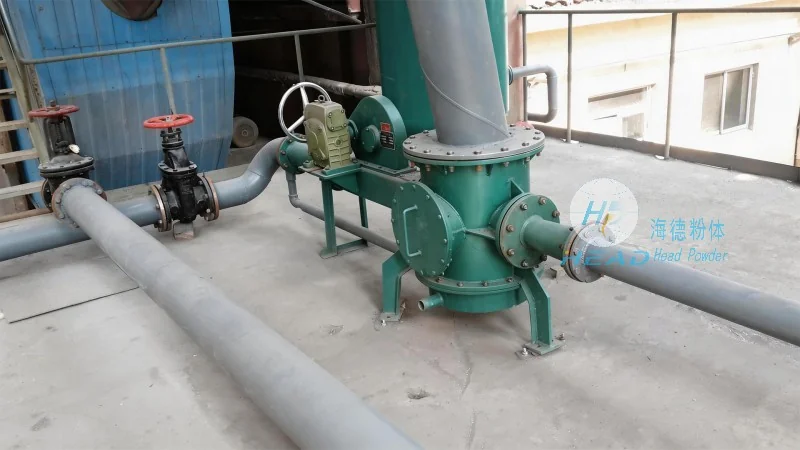
Applications and Industries Benefiting from High-Pressure Systems
High-pressure material handling systems find extensive applications across multiple sectors. In the chemical industry, they are used to transport corrosive liquids and powders, ensuring that materials are handled without contamination or degradation. The construction industry relies on these systems for transporting concrete and mortar mixtures to elevated work areas, enhancing productivity and safety on job sites. In the food and pharmaceutical sectors, high-pressure systems are employed to maintain sterile conditions and prevent product contamination during material transfer. Each application leverages the system’s ability to maintain consistent pressure and flow, which is crucial for maintaining product quality and operational efficiency.
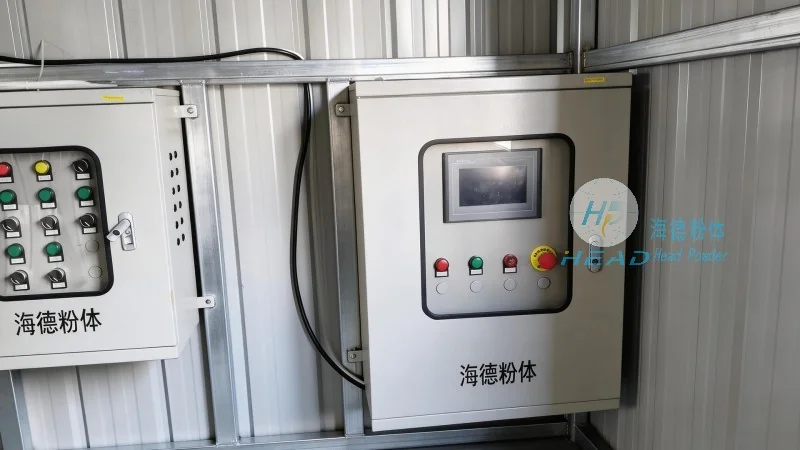
Company Overview: Shandong HeadPowder Engineering Co., Ltd.
Shandong HeadPowder Engineering Co., Ltd., commonly known as HeadPowder, is a leading manufacturer specializing in high-pressure material handling systems and related engineering solutions. With a strong presence in China, particularly in Shandong, the company has built a reputation for delivering high-quality, reliable equipment tailored to the diverse needs of industrial clients. HeadPowder’s commitment to innovation and customer satisfaction has positioned it as a trusted partner in the material handling industry, providing comprehensive solutions that enhance operational efficiency and safety. The company’s expertise spans the entire lifecycle of material handling systems, from design and manufacturing to installation and maintenance, ensuring that clients receive end-to-end support.
Conclusion: The Importance of High-Pressure Material Handling Systems
High-pressure material handling systems are indispensable tools in modern industrial operations, offering the reliability and efficiency needed to manage bulk materials effectively. By adhering to sound design principles and leveraging advanced engineering, these systems ensure consistent performance and safety across various applications. For industries seeking to optimize their material handling processes, investing in high-quality high-pressure systems is a strategic decision that can lead to improved productivity, reduced downtime, and enhanced overall operational performance. As the demand for efficient material handling continues to grow, the role of high-pressure systems will remain critical in supporting industrial growth and innovation.