Welcome to Shandong HeadPowder Engineering Co., Ltd., a leading provider of advanced material handling solutions. In this article, we will explore the concept of a corn granular material conveying line and delve into the fundamental design principles that underpin its operation. As a company dedicated to innovation and efficiency in industrial processes, HeadPowder specializes in creating tailored systems that meet the unique demands of various industries, including agriculture and food processing.
Understanding the Corn Granular Material Conveying Line
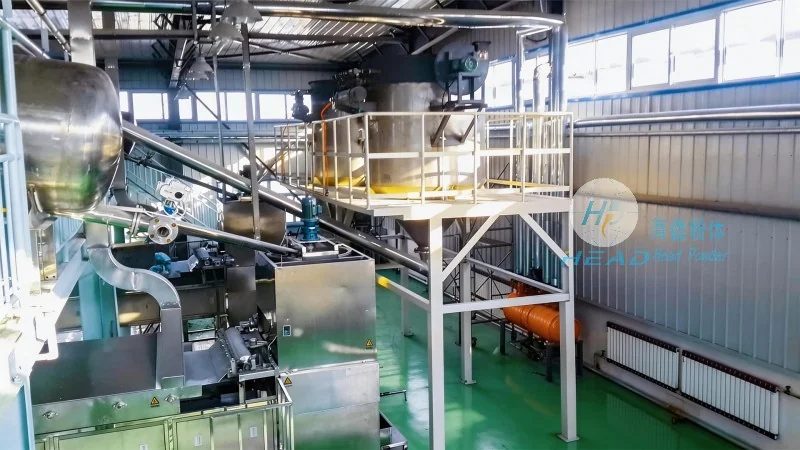
A corn granular material conveying line is a specialized system engineered to transport corn kernels or other granular agricultural products from one location to another within a processing facility. These lines are critical components in corn milling operations, grain storage, and agricultural processing plants, ensuring that raw materials are moved efficiently and safely. The system typically includes various components such as hoppers, feeders, conveyors, and control systems, all working in tandem to facilitate the smooth flow of material. The primary goal of such a line is to enhance productivity, reduce labor costs, and maintain the quality of the corn granules throughout the handling process.
Key Components of the Conveying Line
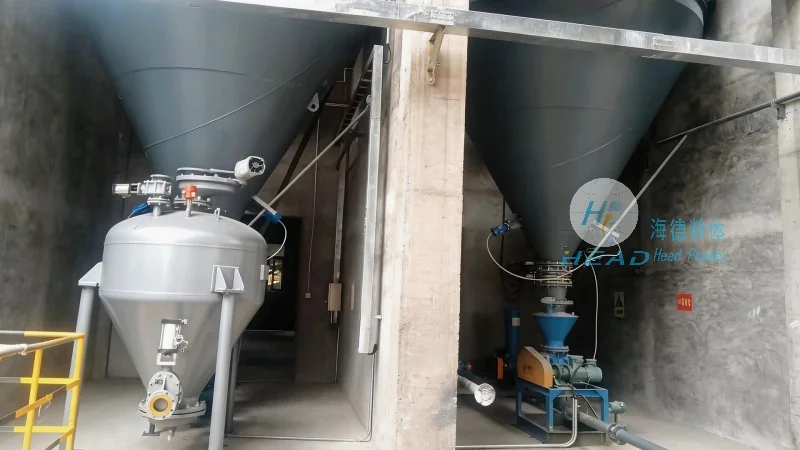
The effectiveness of a corn granular material conveying line relies heavily on its integrated components. Each part plays a crucial role in the overall operation. The system usually starts with a hopper, which serves as a storage container for the corn kernels. The hopper is designed to accommodate large volumes of material and features a sloped bottom to facilitate gravity-fed feeding. From the hopper, a feeder, often a rotary or vibratory type, regulates the flow of corn into the conveyor. This ensures a consistent and controlled feed rate, preventing overloading or underfeeding of the conveyor. The conveyor itself is the heart of the system, responsible for transporting the corn granules over a specified distance. Common types of conveyors used in these applications include belt conveyors, screw conveyors, and pneumatic conveyors, each with its own advantages depending on the specific requirements of the process.
Design Principles for Optimal Performance
The design of a corn granular material conveying line is governed by several key principles aimed at maximizing efficiency, durability, and safety. One of the primary considerations is the material's properties, such as its density, moisture content, and abrasiveness. These factors influence the choice of conveyor type and the selection of appropriate materials for the components, such as the hopper and conveyor belt. For instance, if the corn is abrasive, a conveyor with a reinforced belt or a different material like stainless steel may be required to prevent wear and tear. Another critical design principle is the need for minimal material degradation. Corn kernels are delicate and can be damaged during handling, which affects their quality and market value. Therefore, the design must incorporate features that reduce impact and friction, such as smooth surfaces and gentle slopes in the hopper and conveyor. Additionally, the system must be designed for easy maintenance and cleaning to ensure hygiene standards are met, especially in food processing applications.
Control and Automation in Modern Conveying Lines
Contemporary corn granular material conveying lines often incorporate advanced control and automation systems to enhance operational efficiency and reliability. These systems allow for real-time monitoring of the material flow, enabling operators to adjust parameters such as feed rate and conveyor speed as needed. Sensors and indicators are integrated into the system to detect blockages, overloads, or other issues, triggering alarms or automatic shutdowns to prevent damage to equipment or loss of material. The use of programmable logic controllers (PLCs) and other automation technologies also allows for remote monitoring and control, reducing the need for on-site personnel and improving overall safety. Furthermore, automation can help in optimizing the process by adjusting the system based on real-time data, such as the volume of material or the speed of the conveyor, ensuring that the line operates at peak performance.
Applications and Benefits in Industrial Settings
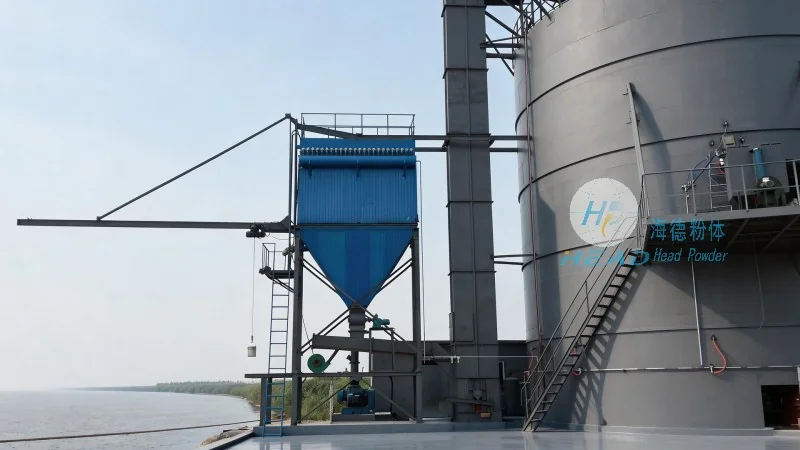
Corn granular material conveying lines find wide applications across various industries, particularly in agriculture and food processing. In corn milling operations, these lines are essential for transporting raw corn from storage to the milling equipment, where it is processed into products like cornmeal, grits, and cornstarch. The efficiency of the conveying line directly impacts the overall throughput of the mill, making it a critical investment for manufacturers. Similarly, in grain storage facilities, conveying lines are used to move corn from storage bins to processing areas or for distribution to other facilities. The benefits of using a well-designed conveying line extend beyond mere efficiency; they also include improved safety, reduced labor costs, and enhanced product quality. By minimizing handling time and reducing the risk of damage or contamination, these systems contribute to the overall success of the industrial operation.
Conclusion
In conclusion, a corn granular material conveying line is a sophisticated system designed to handle and transport corn kernels efficiently and safely. The design principles that guide its construction focus on optimizing performance, durability, and safety while minimizing material degradation. With the integration of advanced control and automation systems, these lines have become indispensable in modern industrial settings, particularly in agriculture and food processing. As a company committed to providing high-quality engineering solutions, Shandong HeadPowder Engineering Co., Ltd. offers expertly designed conveying lines that meet the specific needs of its clients, ensuring optimal performance and reliability in their operations.




