When it comes to handling polypropylene materials in industrial settings, the polypropylene material conveying line plays a crucial role in ensuring efficient and reliable material transport. This system is specifically engineered to manage the unique properties of polypropylene, such as its lightweight nature, flexibility, and resistance to chemical and environmental factors. Understanding the components and design principles behind this conveying line is essential for optimizing material handling processes in various industries, including manufacturing, packaging, and chemical processing.
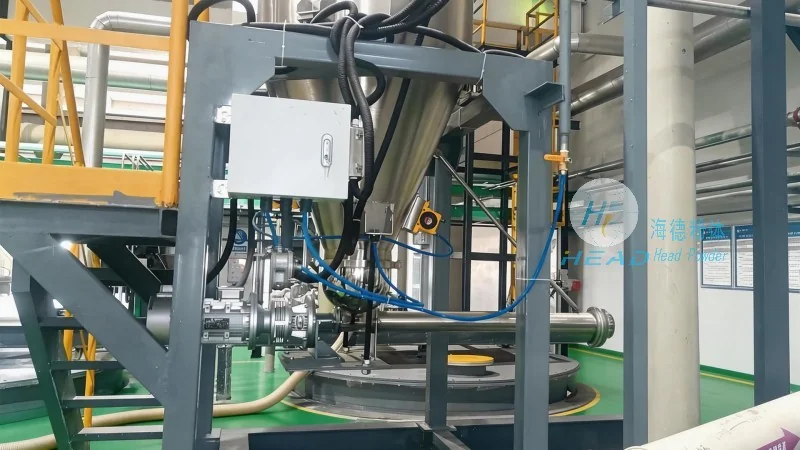
Components of a Polypropylene Material Conveying Line
The polypropylene material conveying line typically consists of several key components that work in tandem to facilitate smooth material movement. These components are carefully selected and integrated to meet the specific requirements of polypropylene handling. The primary components include:
- Conveyor Belt: A durable and flexible conveyor belt made from polypropylene or compatible materials is the core of the system. This belt is designed to withstand the mechanical stresses and environmental conditions associated with polypropylene transport, ensuring long-term performance and minimal maintenance.
- Pulley System: The pulley system, including drive pulleys and idler pulleys, provides the necessary mechanical force to move the conveyor belt. The design of the pulleys, particularly the material and surface treatment, is critical to prevent slippage and ensure consistent material flow.
- Loading and Unloading Hoppers: These hoppers are used to introduce and remove polypropylene material from the conveying line. They are typically constructed from robust materials that can handle the abrasiveness and temperature variations of polypropylene, ensuring safe and efficient material transfer.
- Control and Monitoring Systems: Modern polypropylene conveying lines are equipped with advanced control systems that monitor parameters such as speed, tension, and material level. These systems help maintain optimal operation and detect any potential issues before they impact productivity.
Design Principles for Polypropylene Material Conveying Lines
The design of a polypropylene material conveying line follows several fundamental principles to ensure efficiency, safety, and durability. These principles are tailored to the unique characteristics of polypropylene and the operational demands of industrial applications. Key design considerations include:
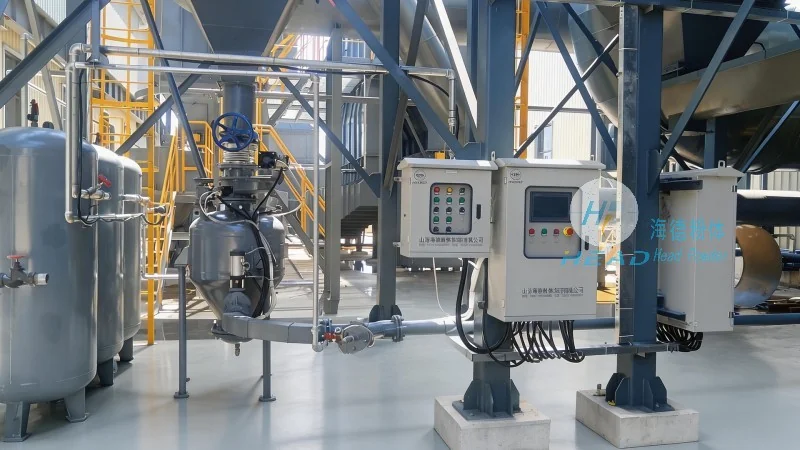
Firstly, the system must address the tendency of polypropylene to stick or cling to surfaces. This is achieved through the use of anti-static materials and appropriate surface treatments on the conveyor belt and hoppers. Additionally, the design incorporates features that prevent material buildup and ensure consistent flow, such as smooth belt surfaces and proper incline angles.
Secondly, the conveying line is engineered to handle varying particle sizes and shapes of polypropylene. The belt width and speed are optimized to accommodate different material characteristics, ensuring that the material moves without excessive friction or damage. The pulley system is also designed to minimize wear and tear, extending the lifespan of the equipment.
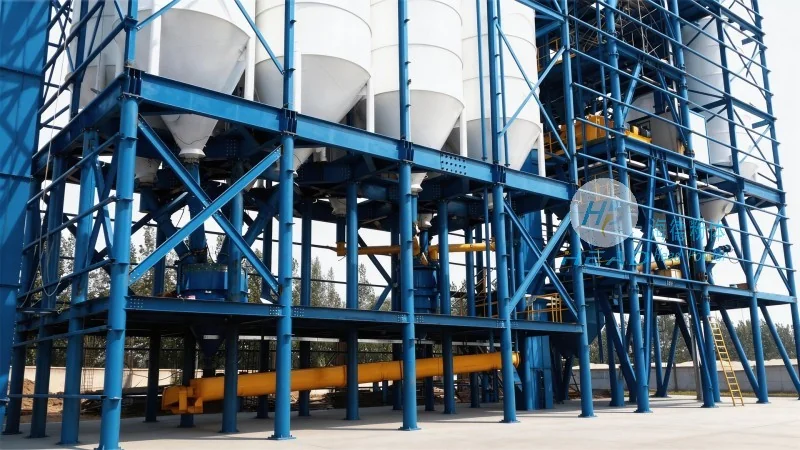
Thirdly, safety and environmental considerations are integral to the design. The system incorporates protective enclosures and safety guards to prevent accidental contact with moving parts. Additionally, the materials used in construction are chosen to minimize environmental impact and comply with industry regulations.
Applications and Benefits of Polypropylene Material Conveying Lines
Polypropylene material conveying lines are widely used in various industries due to their versatility and efficiency. They are particularly beneficial in applications where polypropylene is processed, stored, or transported in bulk. The benefits of using such a system include:
- Increased Productivity: By automating the material handling process, the conveying line reduces labor costs and increases throughput, allowing for higher production rates.
- Improved Material Quality: The gentle handling of polypropylene by the conveyor system minimizes material degradation, ensuring that the final product maintains its quality and properties.
- Enhanced Safety: The enclosed design and control systems reduce the risk of accidents and exposure to hazardous materials, creating a safer working environment.
- Cost-Effective Maintenance: The robust construction and advanced monitoring systems help identify and address issues early, reducing downtime and maintenance costs.
Customization and Integration with HeadPowder Engineering
Shandong HeadPowder Engineering Co., Ltd., a leading provider of material handling solutions, specializes in designing and manufacturing customized polypropylene material conveying lines tailored to specific customer needs. With years of experience in the industry, HeadPowder understands the unique challenges associated with polypropylene handling and offers innovative solutions that meet the highest standards of performance and reliability.
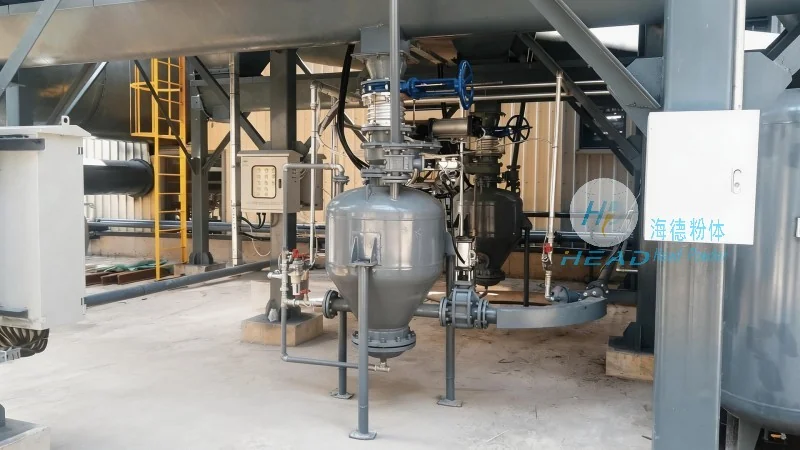
HeadPowder's team of engineers works closely with clients to assess their operational requirements and develop a conveying line that optimizes material flow, reduces energy consumption, and enhances overall efficiency. The company's commitment to quality and customer satisfaction is reflected in its state-of-the-art manufacturing facilities and rigorous quality control processes.
Located in Shandong, China, HeadPowder serves a global clientele, providing turnkey solutions that integrate seamlessly with existing production lines. Whether for new installations or upgrades to existing systems, HeadPowder's polypropylene material conveying lines are designed to deliver long-term value and support the growth of industrial operations.




