Urea granule material handling conveyors are specialized industrial systems engineered to transport urea granules efficiently and safely. These conveyors are crucial in agricultural and chemical processing industries, where the reliable movement of urea granules from storage to processing or packaging stages is essential. The design of such systems integrates several key components and principles to ensure optimal performance, durability, and safety under various operational conditions.
Key Components of Urea Granule Material Handling Conveyors
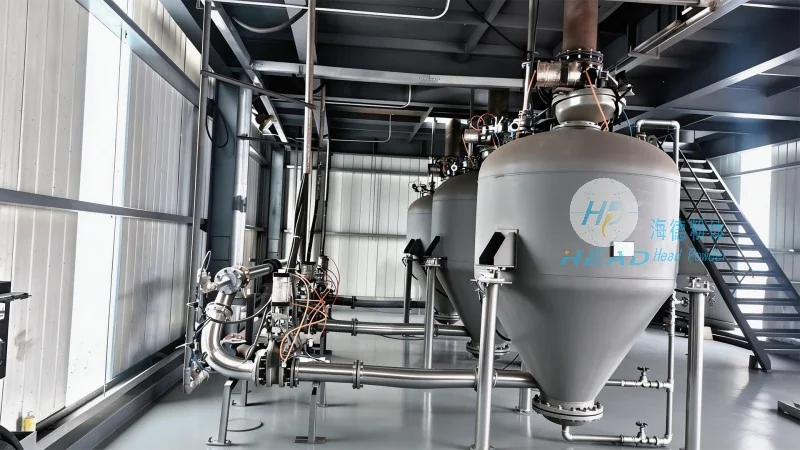
At the core of a urea granule material handling conveyor system are several critical components that work in tandem to facilitate smooth material transport. The primary components include a feeding mechanism, conveyor belt or chain system, idlers or rollers for support, drive units to provide motion, and control systems for operation and monitoring. The feeding mechanism, often a hopper or feeder, ensures a consistent and controlled flow of urea granules into the conveyor. The conveyor belt or chain, typically made from durable materials like rubber or metal, carries the granules along the designated path. Idlers or rollers are strategically placed to support the belt and reduce friction, while drive units, such as electric motors, provide the necessary power to move the material. Control systems, including sensors and programmable logic controllers (PLCs), monitor the system's performance, adjust speed, and ensure safety by detecting blockages or overloads.
Design Principles for Efficient Urea Granule Transport
The design principles of urea granule material handling conveyors are centered on maximizing efficiency, minimizing material degradation, and ensuring operational safety. One of the fundamental principles is the prevention of material spillage and degradation. Urea granules are sensitive to moisture and can degrade if exposed to air or improper handling. Therefore, the conveyor system is designed with enclosed or covered sections to protect the granules from environmental factors. The belt or chain is often coated with materials that are non-stick and resistant to urea's chemical properties, reducing the risk of adhesion and material buildup. Additionally, the system incorporates features like gentle slope angles and smooth transitions to minimize impact and abrasion on the granules, preserving their quality and preventing dust generation.
Material Handling Capabilities and Applications
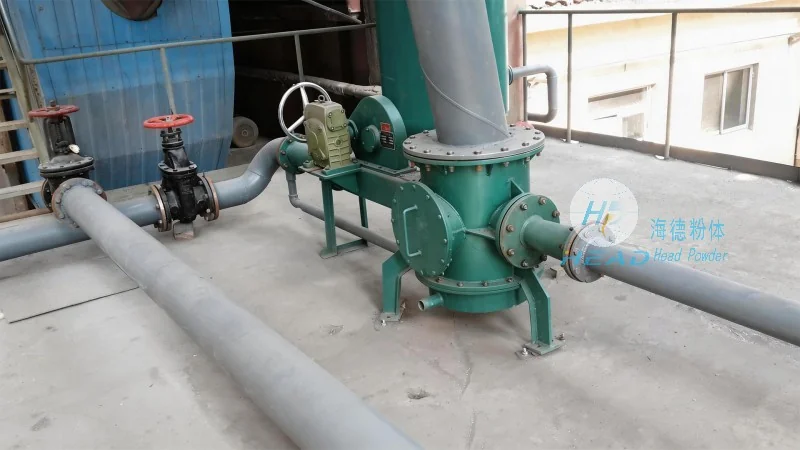
Urea granule material handling conveyors are designed to handle varying loads and operational speeds, making them versatile for different applications. They are commonly used in fertilizer production facilities, where urea granules are transported from storage silos to mixing or packaging lines. The conveyors can be configured in various configurations, including horizontal, inclined, or vertical, to accommodate different layouts and process requirements. For example, horizontal conveyors are used for long-distance transport over flat surfaces, while inclined conveyors facilitate vertical or steep-angle movement, such as elevating granules from ground level to higher processing areas. Vertical conveyors, often using bucket elevators or screw conveyors, are employed when space is limited and vertical transport is necessary. The flexibility in design allows these systems to integrate seamlessly with existing production lines, enhancing overall operational efficiency.
Advantages of Using Urea Granule Material Handling Conveyors
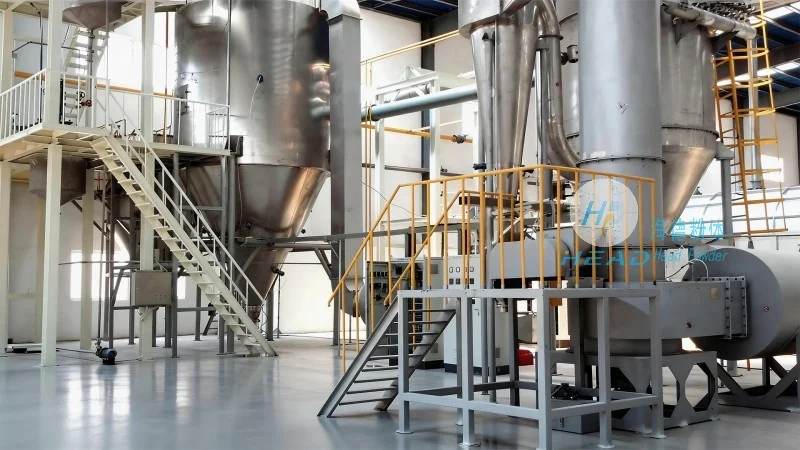
Implementing a urea granule material handling conveyor system offers several advantages over traditional manual or less efficient methods. Firstly, it significantly improves operational efficiency by automating the material transport process, reducing labor costs and human error. The consistent and controlled flow of granules ensures that production lines operate at optimal speeds without interruptions. Secondly, the system enhances safety by minimizing the risk of accidents associated with manual handling, such as spills or injuries from moving parts. The enclosed design and safety features, like emergency stop buttons and overload protection, provide a secure working environment. Thirdly, the conveyor systems contribute to cost savings by reducing material waste and degradation. By protecting urea granules from exposure to air and moisture, the system maintains the product's quality, reducing losses and improving overall profitability. Additionally, the durability of the components, such as the conveyor belt and drive units, ensures long-term reliability and low maintenance costs, making the investment worthwhile over time.
Customization and Integration with Existing Systems
Shandong HeadPowder Engineering Co., Ltd., a leading manufacturer based in China, specializes in designing and manufacturing customized urea granule material handling conveyors to meet specific client needs. The company's expertise lies in tailoring the system components to match the unique requirements of each project, whether it's a new facility or an upgrade to an existing production line. Customization options include adjusting the conveyor length, width, and speed to accommodate different production volumes and space constraints. The company also integrates advanced control systems and monitoring technologies to enhance the system's performance and provide real-time data on operational status. This customization ensures that the urea granule material handling conveyor system is not only efficient but also adaptable to the evolving needs of the agricultural and chemical industries.




