For industrial operations dealing with dry yeast, an efficient material handling line is crucial for maintaining product quality, ensuring consistent processing, and optimizing workflow. This article explores the concept of a dry yeast material handling line, detailing its design principles and the key factors that contribute to its effectiveness in various production environments.
Introduction to Dry Yeast Material Handling Lines
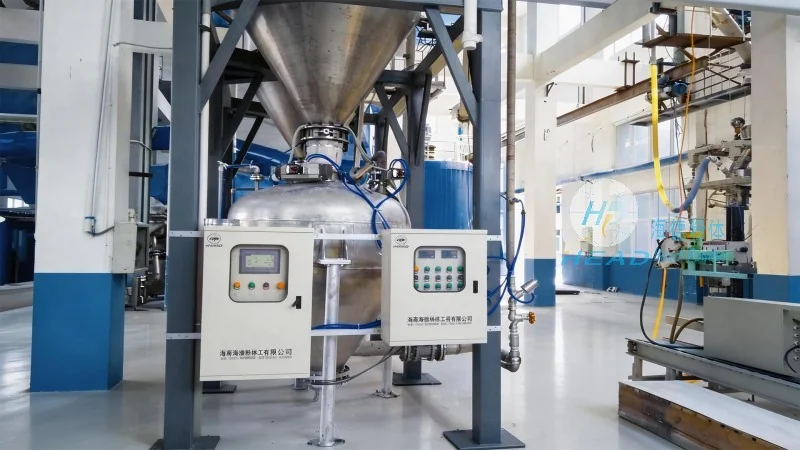
A dry yeast material handling line is a specialized system engineered to transport, store, and manage dry yeast efficiently. These systems are integral to food and beverage production, pharmaceutical manufacturing, and other industries where yeast is a critical ingredient. The primary goal of such a line is to ensure that dry yeast is handled in a manner that preserves its biological activity, maintains its quality, and supports seamless integration into downstream processes.
Understanding the Core Components of a Dry Yeast Material Handling Line
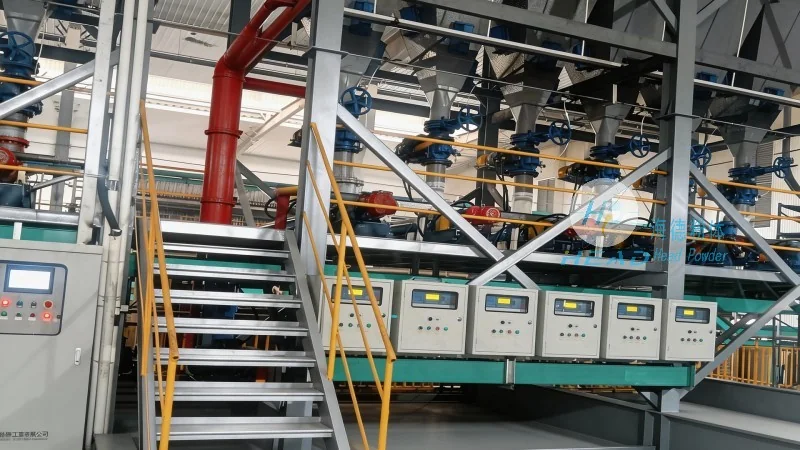
The effectiveness of a dry yeast material handling line relies on several key components, each designed to address specific challenges in yeast handling. These components typically include bulk material handling equipment, such as silos, conveyors, and pneumatic systems, which are tailored to the unique properties of dry yeast. Silos are used for storage, providing a controlled environment that prevents moisture absorption and contamination. Conveyors, often equipped with gentle handling mechanisms like belt or screw conveyors, ensure that yeast is moved without causing clumping or degradation. Pneumatic systems, including air slides and vacuum conveyors, are employed for more precise and controlled movement, especially when transferring yeast between different stages of production.
Design Principles for Efficient Dry Yeast Material Handling Systems
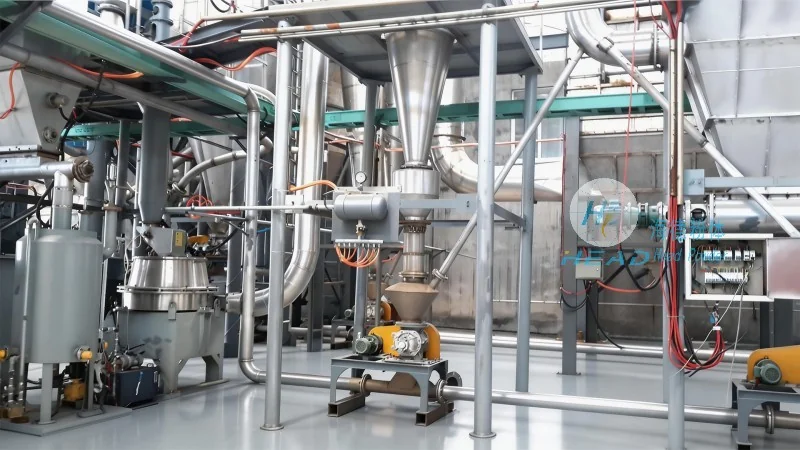
The design of a dry yeast material handling line follows several fundamental principles aimed at maximizing efficiency, minimizing product loss, and ensuring operational safety. One of the most critical principles is the maintenance of low shear and gentle handling. Dry yeast is a delicate product, and excessive force or impact can lead to cell damage, reducing its viability and effectiveness. Therefore, equipment such as soft start conveyors and air-supported systems are preferred to minimize mechanical stress. Another key principle is the control of moisture and temperature. Dry yeast is hygroscopic, meaning it absorbs moisture from the air, which can affect its quality and performance. The design incorporates sealed systems and climate-controlled environments to prevent moisture ingress and maintain optimal storage conditions. Additionally, the system is designed for easy cleaning and maintenance, ensuring compliance with hygiene standards and facilitating regular upkeep. The integration of sensors and monitoring systems is also a common design feature, allowing real-time tracking of material flow, temperature, and humidity to ensure consistent performance.
The Role of HeadPowder in Engineering Custom Solutions
Shandong HeadPowder Engineering Co., Ltd., a leading provider of industrial engineering solutions, specializes in designing and manufacturing custom dry yeast material handling lines. With a focus on precision and efficiency, HeadPowder leverages advanced technology and industry expertise to develop systems tailored to the specific needs of each client. The company’s approach involves a thorough understanding of the client’s production requirements, followed by the design of a system that optimizes workflow, reduces downtime, and enhances overall productivity. HeadPowder’s team of engineers works closely with clients to address unique challenges, such as handling large volumes of yeast or integrating the system with existing production lines. The company’s commitment to quality and innovation ensures that each solution is not only effective but also scalable and adaptable to future needs.
Key Features and Advantages of the Dry Yeast Material Handling Line
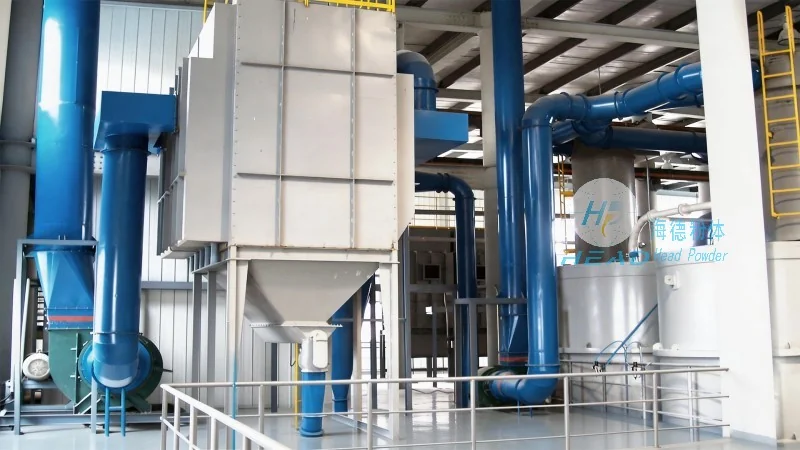
The dry yeast material handling line offers several advantages that make it an essential component of modern industrial operations. One of the primary benefits is the ability to maintain product quality throughout the handling process. By using gentle handling methods and controlled environments, the line ensures that yeast remains viable and free from contamination, which is critical for its effectiveness in fermentation and other applications. Another advantage is the improved efficiency and reduced labor costs. Automated systems handle the bulk of material movement, reducing the need for manual labor and minimizing the risk of human error. The system also enhances safety by minimizing direct contact with the product, reducing exposure to dust and other hazards. Furthermore, the modular design of the line allows for easy expansion and modification, enabling businesses to adapt to changing production demands without significant investment. The integration of monitoring and control systems provides real-time data, allowing operators to make informed decisions and optimize performance continuously.




