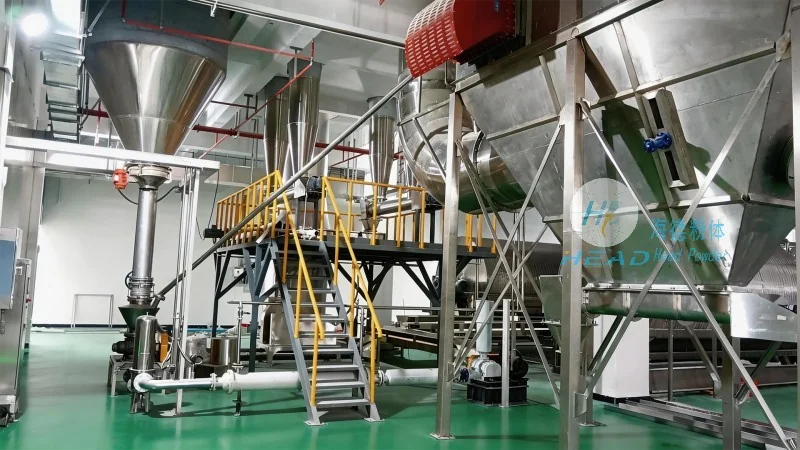
For industries involved in the dye manufacturing and processing sectors, the efficient handling of raw materials is a critical factor in ensuring production efficiency and product quality. A dye material conveying line, also known as a dye material handling system, is a specialized setup designed to transport dye powders, granules, or other related materials from storage to processing units. This system integrates various components such as feeders, conveyors, and control mechanisms to achieve seamless material flow. Understanding the design principles behind these lines is essential for optimizing operational performance and meeting industry standards.
Key Components of a Dye Material Conveying Line
The effectiveness of a dye material conveying line depends on its integrated components, each serving a specific function in the material handling process. The primary components typically include:
- Material Feeders: These devices are responsible for accurately and consistently feeding dye materials into the conveying system. Common types include screw feeders, vibratory feeders, and belt feeders, which are chosen based on the material's properties, such as bulk density and flowability.
- Conveyors: The core of the conveying line, conveyors transport the dye materials through the system. Options include belt conveyors, screw conveyors, and pneumatic conveyors. Belt conveyors are widely used for horizontal and slight incline transport due to their simplicity and reliability. Screw conveyors are ideal for vertical or inclined transport, while pneumatic conveyors use air pressure to move powders, offering advantages in dust control and flexibility.
- Control Systems: Advanced control systems monitor and regulate the conveying process, ensuring consistent flow rates and preventing overloading or underloading. These systems may include sensors, variable frequency drives (VFDs), and programmable logic controllers (PLCs), which enhance operational efficiency and safety.
- Storage and Hopper Systems: Dye materials are often stored in hoppers or silos before being fed into the conveying line. These storage units are designed to maintain material quality and prevent contamination, with features like aeration and temperature control for sensitive dyes.
Design Principles for Optimal Performance
The design of a dye material conveying line follows several key principles to ensure efficiency, reliability, and safety. These principles are tailored to the unique characteristics of dye materials, which can be fine powders, granules, or pellets with varying flow properties.
1. Material Flow Analysis: Before designing the system, a thorough analysis of the material's flow properties is conducted. This includes assessing bulk density, angle of repose, and flowability. The design must account for these properties to prevent issues like bridging, segregation, or blockages in the conveying line.
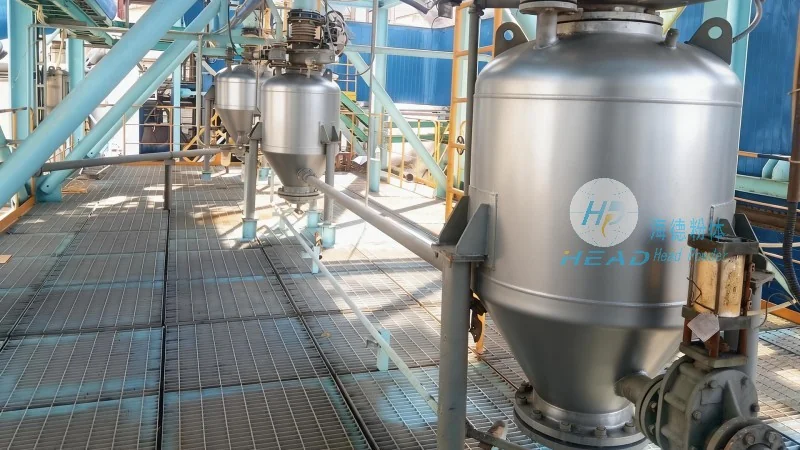
2. Energy Efficiency: Modern conveying line designs prioritize energy efficiency. This involves selecting the right type of conveyor for the application, optimizing the system's layout to minimize distance and elevation changes, and using energy-saving components like VFDs to adjust motor speed based on demand.
3. Dust Control and Safety: Dye powders can generate significant dust, which poses health and safety risks. The design incorporates dust collection systems, sealed conveyor sections, and explosion-proof components to ensure a safe working environment. Additionally, the system is designed to prevent material spillage and cross-contamination.
4. Scalability and Flexibility: The conveying line is designed to be scalable, allowing for future expansion or integration with other processing equipment. Modular components enable easy adjustments to accommodate changes in production volume or material types.
Applications and Benefits
Dye material conveying lines are widely used in various industries, including textile manufacturing, chemical processing, and pharmaceuticals. The primary benefits of implementing such a system include:
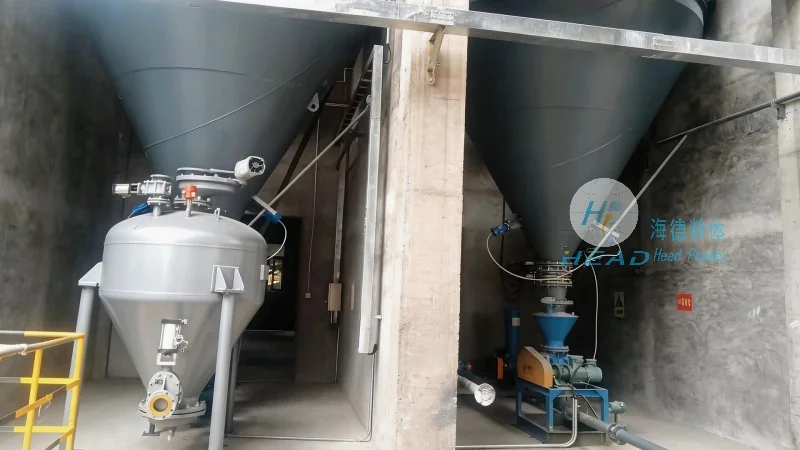
- Improved Production Efficiency: By automating material handling, the system reduces labor costs and minimizes downtime, leading to higher throughput and productivity.
- Enhanced Product Quality: Consistent material flow and controlled handling prevent contamination and ensure uniform product quality, which is crucial for meeting customer specifications.
- Reduced Labor Costs: Automated conveying reduces the need for manual labor in material transport, lowering operational expenses and improving workplace safety.
- Environmental Compliance: Advanced dust control systems help companies comply with environmental regulations, reducing the risk of fines and improving their environmental footprint.
Company Overview: Shandong HeadPowder Engineering Co., Ltd.
Shandong HeadPowder Engineering Co., Ltd., commonly known as HeadPowder, is a leading manufacturer and supplier of specialized material handling equipment for the dye and chemical industries. With a strong focus on innovation and customer satisfaction, HeadPowder has established itself as a trusted partner for businesses seeking efficient and reliable dye material conveying solutions.
HeadPowder's team of experienced engineers and technicians works closely with clients to understand their specific requirements and design customized conveying lines that meet their operational needs. The company's products are known for their durability, energy efficiency, and adherence to international quality standards.
HeadPowder's facilities are located in Shandong, China, where the company leverages advanced manufacturing technologies and rigorous quality control processes to ensure the highest standards of product performance. The company's commitment to research and development ensures that its solutions remain at the forefront of industry trends, providing clients with competitive advantages in their respective markets.




