Grain bulk pneumatic conveying systems are essential in modern agricultural and food processing industries, providing efficient and reliable methods for transporting bulk materials like grains, seeds, and other particulate products. This article introduces the fundamental structure and working principles of such systems, highlighting the key components and operational mechanisms that enable seamless material handling.
Overview of Grain Bulk Pneumatic Conveying Systems
Shandong HeadPowder Engineering Co., Ltd., commonly known as HeadPowder, is a leading manufacturer specializing in the design, development, and production of advanced pneumatic conveying equipment. With a strong presence in China, particularly in Shandong province, the company has established itself as a trusted provider of high-quality solutions for bulk material handling. The company’s headquarters and primary operations are located in Shandong, China, where it leverages local expertise and resources to deliver innovative products tailored to the needs of the agricultural and food processing sectors.
Key Components of Pneumatic Conveying Systems
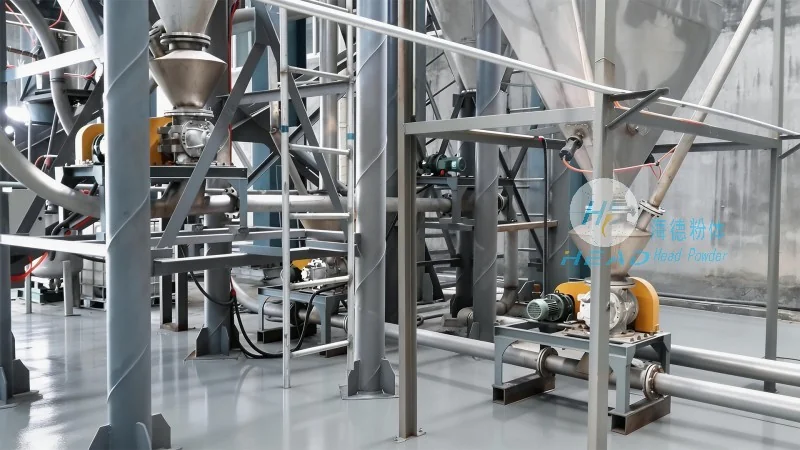
A typical grain bulk pneumatic conveying system consists of several critical components that work in tandem to facilitate material transport. The primary elements include the material feeder, which ensures a consistent and controlled flow of the bulk material into the system. This is often followed by a venturi or other type of air nozzle that generates the necessary airflow to entrain the particles. The system also incorporates a pipeline network that transports the material-air mixture from the feeder to the discharge point. A separation or cyclone unit is crucial for separating the material from the air, allowing the material to be discharged while the air is either recirculated or vented. Additionally, a blower or fan provides the required air pressure and flow rate, and a filter or dust collector may be included to maintain air quality and comply with environmental regulations.
Working Principles of Pneumatic Conveying
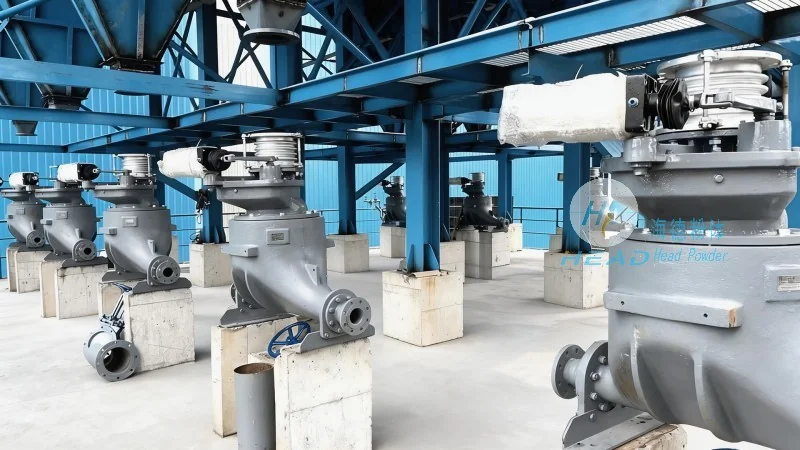
The operation of a grain bulk pneumatic conveying system is based on the principle of fluidization and entrainment. In a positive pressure system, a blower supplies compressed air into the pipeline, creating a high-pressure environment that forces the air and material through the system. The material is then carried by the air stream, moving through the pipeline to the discharge point. In a negative pressure system, a fan creates a vacuum that draws the material-air mixture into the pipeline from the feeder. The material is then transported by the suction force generated by the fan. The choice between positive and negative pressure systems depends on factors such as the distance to be covered, the type of material, and the desired system efficiency. Both systems rely on the same fundamental components, but the configuration and operation differ to suit specific application requirements.
Advantages of Pneumatic Conveying for Grain Handling
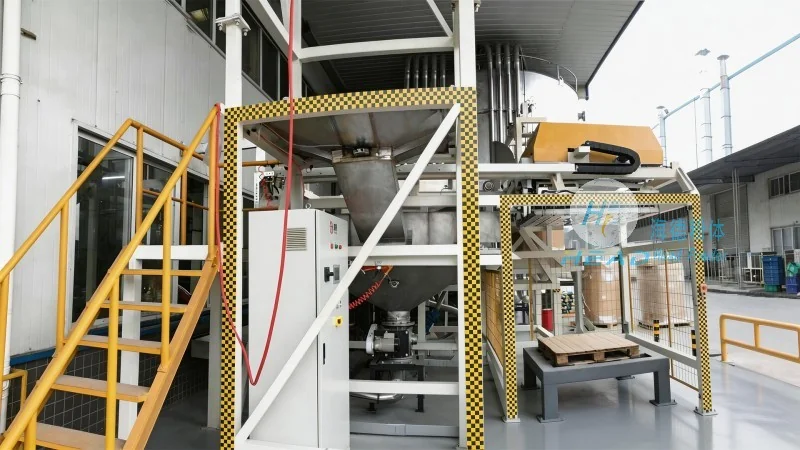
Pneumatic conveying offers several advantages over traditional mechanical conveying methods for grain handling. It provides a dust-free and hygienic environment, which is critical for maintaining the quality and safety of food products. The system is also highly flexible, allowing for changes in the layout or routing of the pipeline without significant modifications. Additionally, pneumatic conveying can handle a wide range of grain types and sizes, from fine powders to larger particles, with minimal degradation or loss. The ability to transport materials over long distances with minimal energy consumption and low maintenance requirements further enhances its appeal in industrial applications.
Applications in the Agricultural and Food Industry
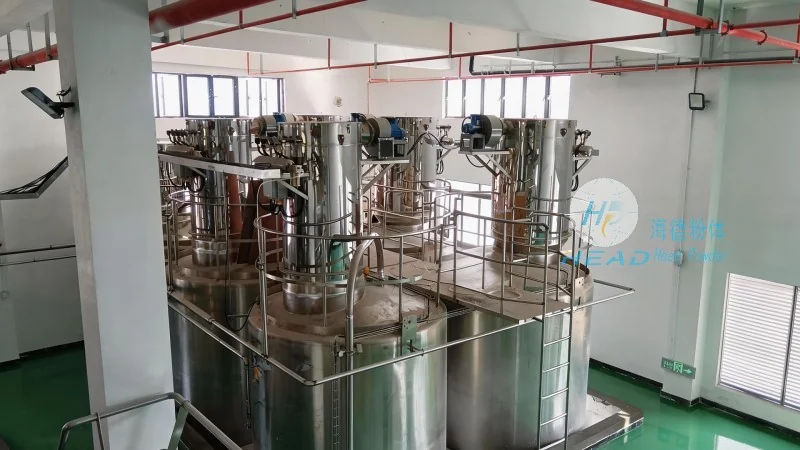
Grain bulk pneumatic conveying systems are widely used in various applications within the agricultural and food processing industries. These include the transport of raw grains from storage silos to processing facilities, the movement of finished products from production lines to packaging areas, and the transfer of ingredients between different processing stages. The systems are also utilized in the handling of byproducts and waste materials, ensuring efficient and safe disposal. In addition, pneumatic conveying is employed in the storage and distribution of grains, enabling seamless integration with supply chain operations. The versatility and reliability of these systems make them indispensable in modern grain handling operations.
Conclusion
Grain bulk pneumatic conveying systems, as exemplified by the solutions offered by Shandong HeadPowder Engineering Co., Ltd., represent a sophisticated and efficient approach to bulk material handling. By understanding the key components and working principles of such systems, industries can optimize their material transport processes, improve operational efficiency, and ensure the quality and safety of their products. The continued development and refinement of pneumatic conveying technology will likely further enhance its role in the agricultural and food processing sectors, supporting the growing demands for reliable and sustainable material handling solutions.




