HeadPowder, a leading engineering firm based in Shandong, China, specializes in the design and implementation of advanced pneumatic conveying systems for petroleum coke. This article provides an overview of the structural principles and operational mechanisms behind these systems, highlighting the key components and their functional roles in efficient material handling.
Understanding Petroleum Coke Pneumatic Conveying Systems
Petroleum coke, a byproduct of the oil refining process, is often handled in bulk quantities and requires reliable, dust-free, and energy-efficient transportation methods. Pneumatic conveying systems offer a solution by utilizing air or other gases to transport the coke through a network of pipes. These systems are widely adopted in industrial settings due to their ability to minimize material degradation, reduce labor costs, and enhance safety compared to traditional mechanical conveying methods.
Core Structural Components of Pneumatic Conveying Systems
The effectiveness of a petroleum coke pneumatic conveying system depends on its well-designed components, each playing a critical role in the overall operation. The primary components include the following:
1. Air Supply and Compression System
The air supply system is the heart of the pneumatic conveying process. It typically consists of a compressor, air dryer, and filter to ensure the air is clean and dry. The compressor generates the necessary pressure to move the coke particles through the pipeline. The air dryer removes moisture from the air, preventing corrosion and material clumping, while the filter removes contaminants that could damage the system or affect the quality of the coke.
2. Conveying Pipeline Network
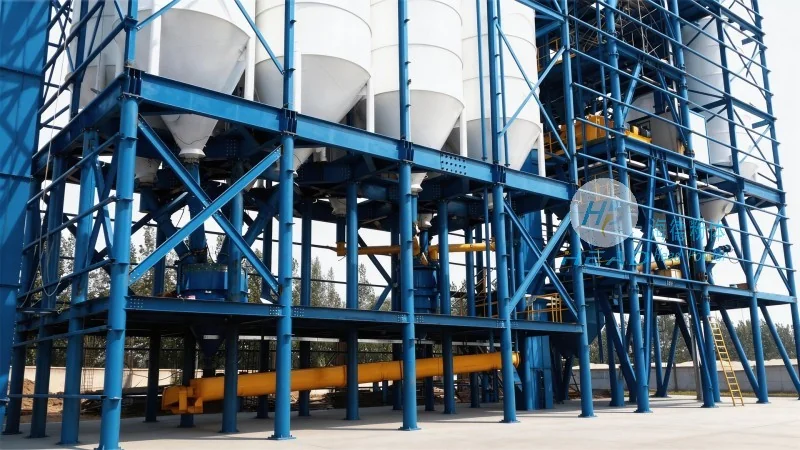
The pipeline network is the main pathway for transporting petroleum coke. It is usually made of corrosion-resistant materials such as stainless steel or high-density polyethylene to withstand the abrasive nature of the coke and the effects of moisture and pressure. The pipeline design includes various sections like straight runs, bends, and vertical lifts, each optimized to maintain the flow of material and air. The diameter and length of the pipeline are carefully calculated based on the material's characteristics, flow rate, and system pressure to ensure efficient and consistent conveying.
3. Material Feeders and Hoppers
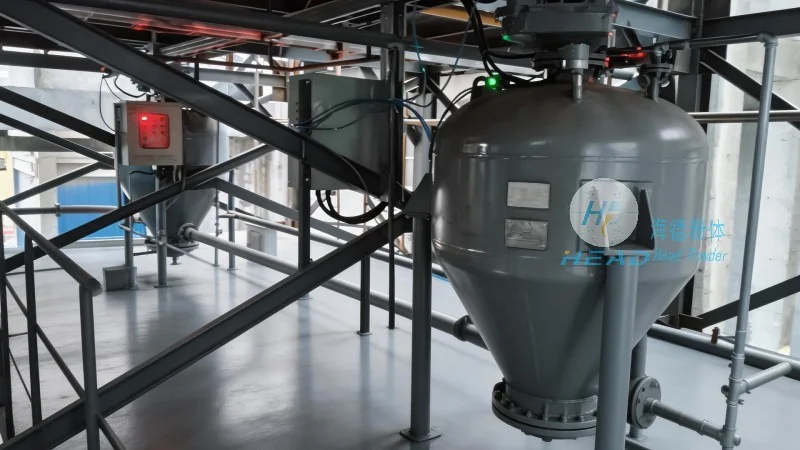
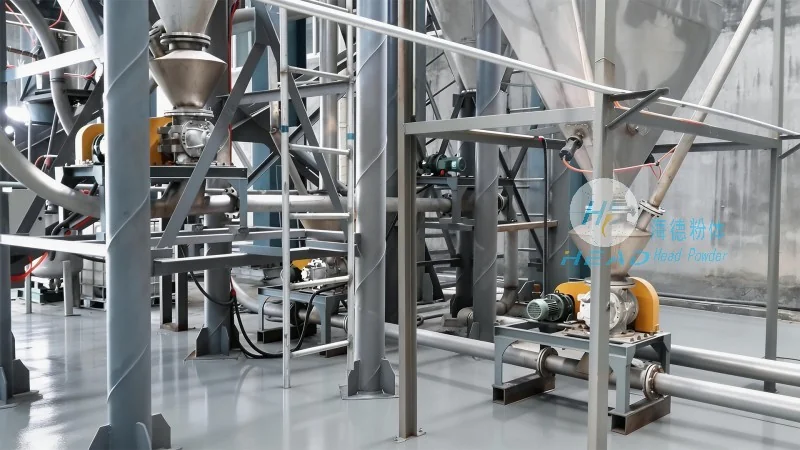
Material feeders are responsible for introducing petroleum coke into the pipeline at a controlled rate. Hoppers, often equipped with level sensors and discharge mechanisms, store the coke and feed it to the feeder. The feeder can be a rotary valve, screw feeder, or other type that ensures a steady flow of material, preventing blockages and maintaining consistent air-mass ratios. Proper feeding is crucial to avoid surges or backflow that could damage the system or reduce conveying efficiency.
4. Separation and Collection Equipment
At the end of the conveying line, separation equipment is used to separate the coke from the air stream. This is typically achieved through cyclone separators or bag filters. Cyclone separators use centrifugal force to separate the heavier coke particles from the lighter air, directing the coke to a collection bin. Bag filters further clean the air by trapping any remaining fine particles, ensuring compliance with environmental regulations and preventing dust emissions. The collected coke is then stored or transported to its final destination.
5. Control and Monitoring Systems
Modern pneumatic conveying systems are equipped with advanced control and monitoring systems to optimize performance and ensure safety. These systems include pressure sensors, flow meters, and control valves that regulate the air pressure and flow rate in real-time. The control panel allows operators to monitor system parameters, adjust settings, and receive alerts for any abnormalities, such as pressure drops or material blockages. This automation enhances the reliability of the system and reduces the need for manual intervention, improving overall operational efficiency.
Operational Principles and Efficiency Considerations
The operational principle of a pneumatic conveying system is based on the air-mass ratio, which is the ratio of the mass of air to the mass of material being conveyed. The optimal air-mass ratio varies depending on the characteristics of the petroleum coke, such as particle size, density, and moisture content. A higher air-mass ratio results in faster conveying but may increase energy consumption and reduce system efficiency. Conversely, a lower air-mass ratio may lead to slower conveying or blockages. Therefore, it is essential to determine the appropriate air-mass ratio for each application to achieve the best balance between speed and energy efficiency.
Another critical factor affecting the efficiency of petroleum coke pneumatic conveying is the system pressure. Higher pressures allow for longer conveying distances and higher flow rates but increase energy costs. Lower pressures are suitable for shorter distances and lower flow rates but may require larger pipe diameters or more frequent maintenance. The choice of pressure depends on the specific requirements of the application and the available infrastructure.
Advantages and Applications of Petroleum Coke Pneumatic Conveying
Pneumatic conveying systems for petroleum coke offer several advantages over traditional conveying methods. These include:
1. Reduced Material Degradation: The enclosed pipeline prevents the coke from being exposed to the environment, minimizing breakage and dust generation. This is particularly important for high-value petroleum coke products that require preservation of their quality.
2. Enhanced Safety: The system eliminates the need for manual handling of bulk materials, reducing the risk of accidents and exposure to dust. This is beneficial for both workers and the environment.
3. Energy Efficiency: While initial setup costs may be higher, pneumatic conveying systems can be more energy-efficient in the long run compared to mechanical systems, especially for long-distance or high-volume applications.
4. Flexibility: The modular design of pneumatic conveying systems allows for easy expansion or reconfiguration to accommodate changes in production or operational needs.
These systems are widely used in various industries, including petrochemical, steel, and power generation, where petroleum coke is a key raw material. They are particularly suitable for applications requiring the transport of large quantities of coke over long distances or within complex plant layouts.
Conclusion
HeadPowder Engineering Co., Ltd., with its headquarters in Shandong, China, is a trusted provider of advanced pneumatic conveying solutions for petroleum coke. By understanding the structural principles and operational mechanisms of these systems, industries can achieve efficient, safe, and cost-effective material handling. The integration of modern control systems and optimized component design ensures that pneumatic conveying remains a preferred method for transporting petroleum coke, supporting the growth and sustainability of industrial operations worldwide.




