Stone powder, a key material in various industrial sectors such as construction, chemical processing, and mining, requires efficient and reliable transportation methods to ensure smooth production workflows. Pneumatic conveying technology has emerged as a leading solution for handling stone powders, offering advantages like dust-free operation, reduced material degradation, and enhanced safety. This article delves into the two primary types of pneumatic conveying systems—negative pressure (or vacuum) and positive pressure—and explores their applications, technical characteristics, and practical considerations for effective stone powder handling.
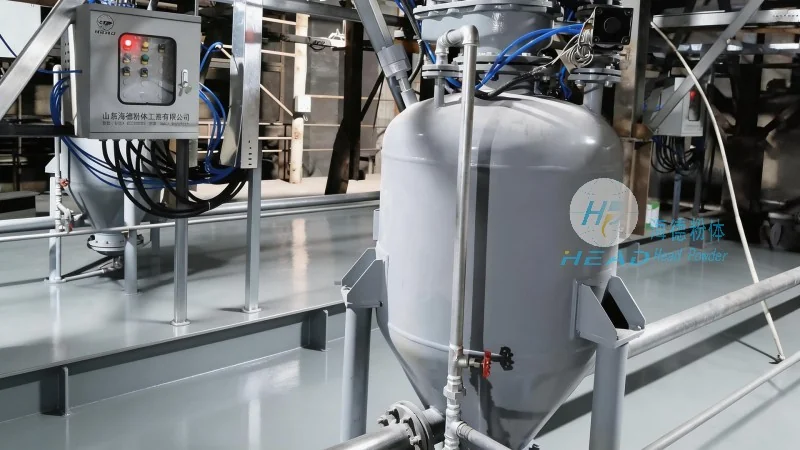
About HeadPowder: Your Trusted Partner in Powder Engineering
HeadPowder, operating as Shandong HeadPowder Engineering Co., Ltd., is a leading provider of advanced powder handling solutions. With a focus on innovation and customer-centric service, the company specializes in designing, manufacturing, and implementing pneumatic conveying systems tailored to the unique needs of stone powder applications. HeadPowder’s expertise spans the entire spectrum of powder engineering, from system design and installation to maintenance and support, ensuring clients achieve optimal performance and operational efficiency.
In-Depth Analysis of Negative Pressure Pneumatic Conveying for Stone Powders
Negative pressure pneumatic conveying, also known as vacuum conveying, operates by creating a low-pressure environment at the material inlet, drawing the stone powder into the system using a vacuum pump. This method is particularly suitable for applications requiring the transfer of powders from multiple sources or over longer distances, as it can effectively handle materials with varying particle sizes and moisture content. The system typically consists of a vacuum pump, a hopper or feeder, a conveying line, and a receiver. The vacuum pump generates the necessary suction force, while the feeder controls the material flow rate to maintain consistent conveying performance. One of the key advantages of negative pressure systems is their ability to handle fine powders without significant degradation, as the material is drawn into the system rather than forced through the line. This reduces the risk of particle breakage and ensures the integrity of the stone powder. However, negative pressure systems may have limitations in terms of conveying distance and material capacity, as the suction force diminishes with distance and line length. HeadPowder’s negative pressure systems are engineered to maximize suction efficiency, using high-performance vacuum pumps and optimized line designs to ensure reliable operation even for challenging stone powder applications.
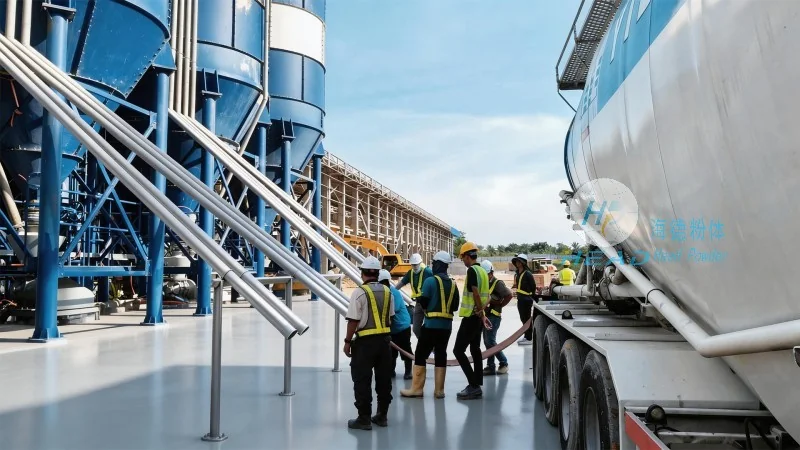
In-Depth Analysis of Positive Pressure Pneumatic Conveying for Stone Powders
Positive pressure pneumatic conveying, or pressure conveying, operates by generating high-pressure air or gas within the conveying line, pushing the stone powder from the source to the destination. This method is ideal for applications requiring high material throughput, short to medium conveying distances, and the handling of bulk materials. The system typically includes a blower or compressor, a hopper or feeder, a conveying line, and a receiver. The blower provides the necessary pressure to move the material, while the feeder controls the flow rate to maintain consistent pressure and prevent system overload. Positive pressure systems are generally more suitable for handling coarse or abrasive stone powders, as the high-pressure air can effectively transport larger particles without causing excessive wear on the system components. Another advantage of positive pressure systems is their ability to handle materials with higher moisture content, as the high-pressure air helps to dry the material during transport. However, positive pressure systems may generate more dust and require more robust filtration systems to comply with environmental regulations. HeadPowder’s positive pressure systems are designed with advanced blower technology and durable materials to ensure long-term reliability and minimal maintenance, making them a preferred choice for high-volume stone powder applications.
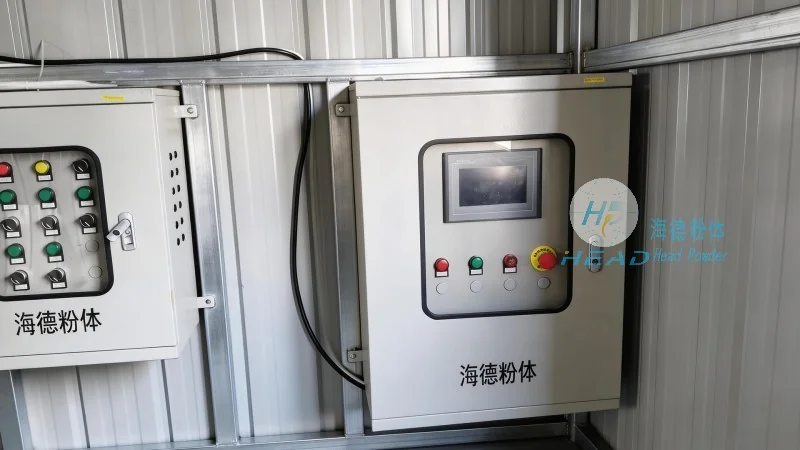
Key Considerations for Selecting the Right Pneumatic Conveying System
When selecting a pneumatic conveying system for stone powder applications, several factors must be carefully evaluated to ensure optimal performance and cost-effectiveness. The first consideration is the material characteristics, including particle size, density, moisture content, and abrasiveness. These factors influence the choice between negative and positive pressure systems, as well as the system’s design parameters. For example, fine, low-density stone powders may be better suited for negative pressure systems, while coarse, abrasive materials may require positive pressure systems. The second consideration is the conveying distance and layout. Longer distances or complex layouts may necessitate multi-stage systems or booster units to maintain sufficient pressure or suction. The third consideration is the required material throughput and flow rate. High-volume applications may require larger blower or vacuum pump capacities and more robust conveying lines. Additionally, the system’s integration with existing infrastructure, such as storage silos or processing equipment, must be considered to ensure seamless operation. HeadPowder provides comprehensive consultation services to help clients evaluate these factors and select the most appropriate pneumatic conveying system for their stone powder handling needs.
Applications of Pneumatic Conveying in Stone Powder Processing
Pneumatic conveying technology is widely used in various stone powder processing applications, including raw material handling, intermediate product transport, and finished product delivery. In construction, stone powders such as limestone, gypsum, and silica are commonly used in cement production and concrete manufacturing. Pneumatic conveying systems efficiently transport these materials from storage silos to processing plants, ensuring consistent quality and reducing manual handling risks. In chemical processing, stone powders are used as raw materials for products like fertilizers, pigments, and coatings. The ability of pneumatic conveying systems to handle fine powders and maintain material purity is crucial in these applications, as any contamination or degradation can affect the final product quality. In mining operations, stone powders are extracted from ore and transported to processing facilities for further refinement. Pneumatic conveying systems offer a safe and efficient alternative to traditional methods like trucks or conveyor belts, reducing dust exposure and environmental impact. HeadPowder’s pneumatic conveying systems have been successfully implemented in these and other applications, demonstrating their effectiveness in improving operational efficiency and product quality.




